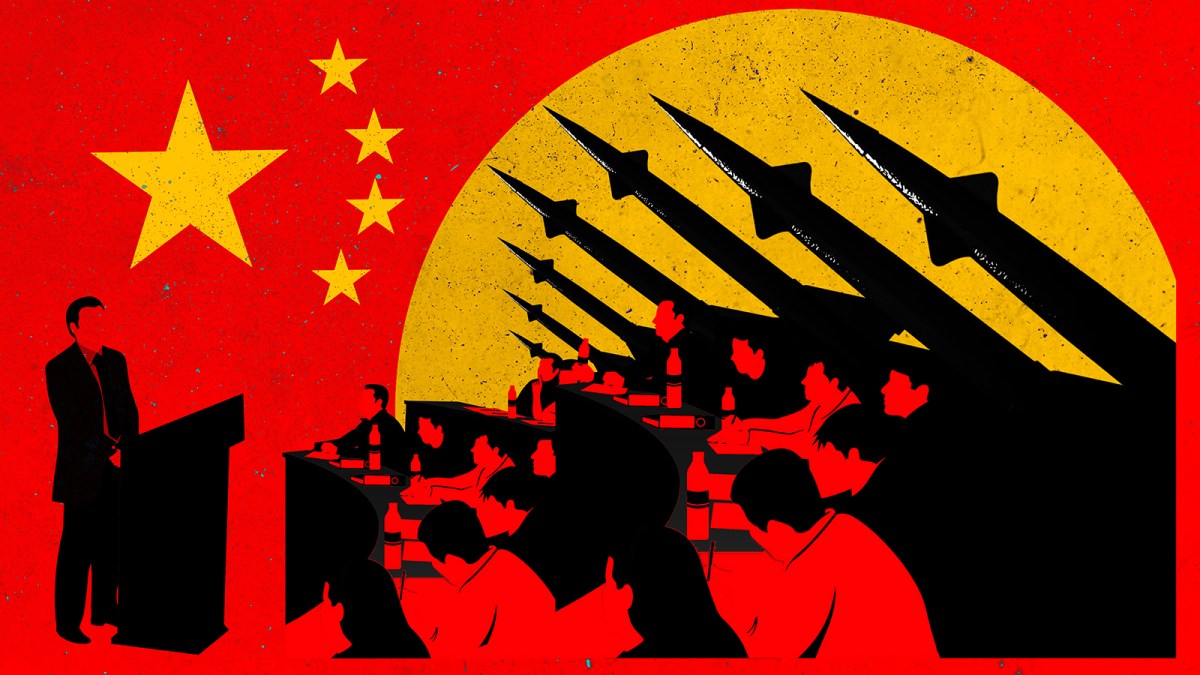
Recent findings indicate that China is engaging in systematic efforts to utilize research from the United Kingdom to enhance its military capabilities. A report released in March 2023 highlights that approximately 8,000 scientific papers, involving around 5,000 academics, have emerged from collaborations linked to the People’s Liberation Army (PLA). This raises serious concerns regarding the implications of such partnerships for national security.
The analysis reveals that many of these scientific endeavors stem from academic partnerships that have direct connections to China’s military interests. The findings suggest that UK researchers may inadvertently contribute to China’s military advancements through their work. This situation has prompted significant attention from both the UK government and the academic community, as the potential for sensitive research to bolster military capabilities poses a complex challenge.
One key aspect of this issue is the role of funding and collaboration agreements. UK institutions have seen increased investment from Chinese sources, often channeled through various research initiatives. The Defence and Security Accelerator and other governmental bodies are now scrutinizing such partnerships to assess their impact on national security. Officials are particularly concerned about the dual-use nature of much of the research, which can be applied in both civilian and military contexts.
Government Response and Academic Vigilance
In response to these revelations, the UK government is considering stricter regulations surrounding international research collaborations. The Royal Society has called for greater transparency in academic partnerships, emphasizing the need for researchers to be vigilant about the implications of their work. Officials argue that there must be a balance between fostering international collaboration and safeguarding national interests.
The academic community is also taking steps to address these concerns. Universities are increasingly implementing due diligence processes to vet potential partnerships with foreign entities, particularly those linked to military applications. Some institutions are re-evaluating existing collaborations with Chinese organizations to ensure compliance with national security policies.
Critics of the current system argue that the UK must take a more proactive stance in protecting its intellectual property and research innovations. They highlight that collaboration with nations that have differing values and priorities, especially in military domains, could result in unintended consequences for UK researchers and their institutions.
The Global Context
The situation in the UK reflects a broader global trend where nations are reassessing their research collaborations with China. Several countries have expressed concerns about the military applications of academic research and the potential for technology transfer that could enhance military capabilities. This has led to a reevaluation of international collaborations and a call for more stringent oversight.
As countries navigate the complexities of global research partnerships, the UK stands at a crossroads. The balance between collaboration and security will be crucial in determining how the nation approaches its academic ties with China and other countries. The implications of these decisions could shape the future of UK research and its role in the international scientific community.
The findings of this report serve as a reminder of the intricate relationship between academia and national security. As the UK moves forward, it must remain vigilant in safeguarding its research while continuing to foster innovation and collaboration in a rapidly changing global landscape.