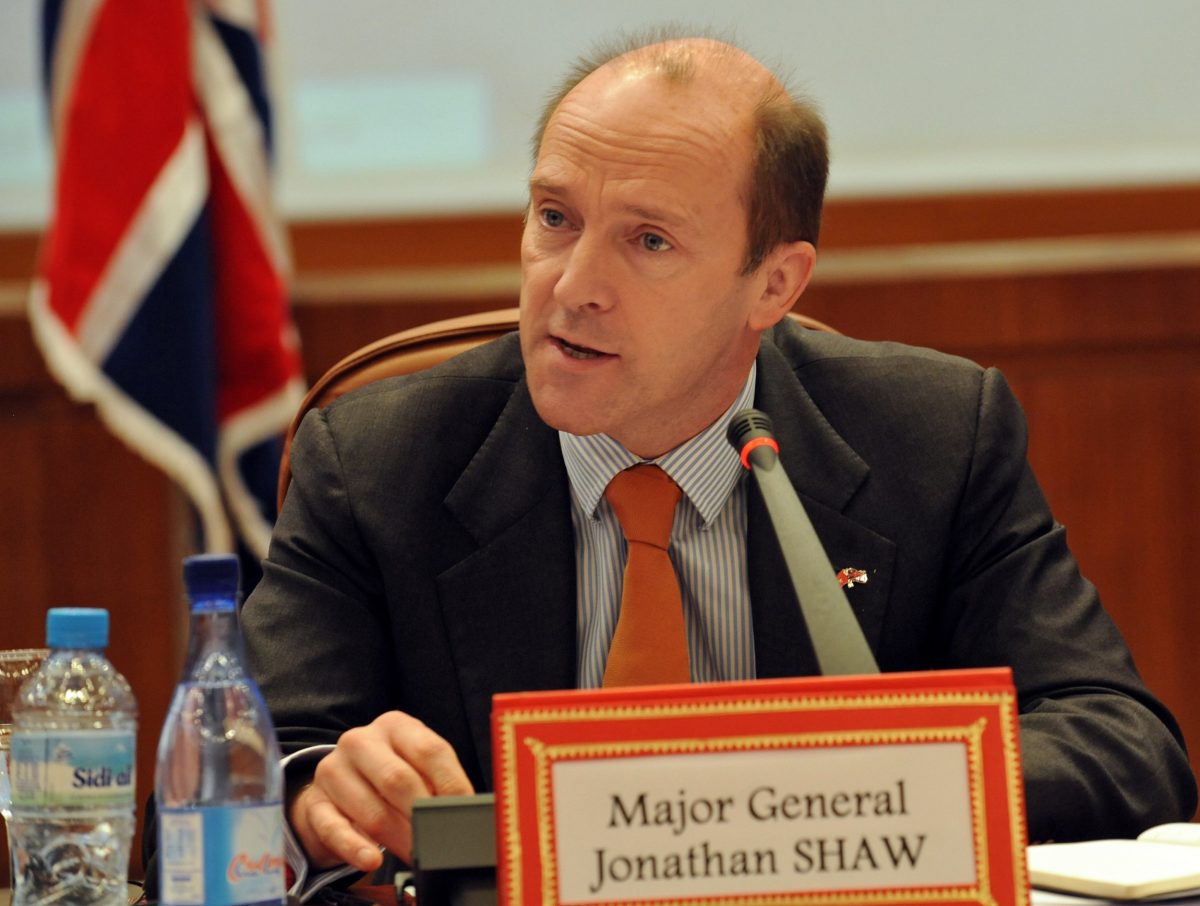
Concerns regarding the United Kingdom’s cyber defence capabilities have intensified, with Major General Jonathan Shaw, a former head of the Defence Cyber Security Programme at the Ministry of Defence (MoD), criticizing Prime Minister Sir Keir Starmer for a lack of leadership in addressing Russian cyber threats. Shaw’s remarks highlight the urgency of responding to the escalating risks posed by Russia’s hybrid warfare tactics, which have increasingly targeted the UK since the onset of the Ukraine conflict in 2022.
In an interview with The i Paper, Shaw emphasized that the government has failed to implement the nationwide cyber defence strategy outlined in the Strategic Defence Review (SDR). He stated, “He hasn’t done it at all,” referring to Starmer’s inaction. Shaw suggested that this absence of decisive leadership could play into the hands of the Kremlin, which is utilizing a mix of cyberattacks, disinformation campaigns, and naval maneuvers to exert pressure on the UK.
Shaw’s comments come in the context of a broader narrative about the UK’s vulnerability amid changing international security dynamics. He warned that the UK’s exposure to Russian threats has been exacerbated since the United States downgraded Russia’s status as a national security concern earlier this month. This shift in perception, according to Shaw, may signal a decline in American commitment to European security interests.
Hybrid Warfare Tactics Intensified
The former defence chief pointed to various tactics employed by Russia, including the use of conventional cargo ships to launch drones over European military installations and alleged espionage activities within the UK. This year alone, the Kremlin’s actions have raised alarms, as the Royal Navy has had to closely monitor Russian vessels suspected of intelligence-gathering operations in British waters.
The cyber landscape has also seen significant disruptions, with businesses like M&S suffering substantial losses due to cyberattacks attributed to Russian operatives. Shaw described the Kremlin’s strategy as one of “sub-threshold warfare,” which aims to undermine European nations without triggering a direct military response. He noted that such tactics do not violate Article 5 of the NATO treaty, which mandates collective defense among member states.
Shaw highlighted the 2007 cyberattacks on Estonia as a precedent, which effectively brought the country to a standstill without provoking a NATO response. He urged the British public to heed warnings from intelligence leaders, including MI6 chief Blaise Metreweli, about the serious nature of threats from Russia, emphasizing that hybrid warfare should be regarded as a legitimate form of conflict.
US Policy and the Russian Threat
The recently published US National Security Strategy has further complicated the landscape, suggesting that Europe faces existential challenges, including “civilisational erasure.” The document cautions against the risks of censorship, political suppression, and a decline in national identities across the continent, while simultaneously diminishing Moscow’s status as a direct security threat.
Shaw expressed skepticism regarding the UK’s reliance on the US as a military ally, stating, “Absolutely,” in response to inquiries about the potential shift in American support. He interpreted the US strategy as indicative of a more adversarial stance towards Europe, which could leave the UK and its partners vulnerable.
The general characterized Russia’s operational philosophy as one based on the “rule of power, not the rule of law,” asserting that the Kremlin’s approach is heavily influenced by historical precedents that prioritize collective interests over individual rights. Shaw argued that the Kremlin’s actions are driven by a desire to prevent neighboring countries from presenting a viable alternative to Russia’s model of governance.
Furthermore, he commented on the challenges facing Russian soldiers returning from conflict zones, reflecting on historical precedents where returning troops contributed to social unrest. Shaw cautioned that these factors motivate Putin to prolong hostilities in Ukraine, as the economic structure of Russia may be more suited to a wartime economy.
In concluding remarks, Shaw urged the UK to prioritize national security above all else. He called for a comprehensive response to the Russian threat, emphasizing that current governmental focus on social welfare must be balanced with robust security measures. He stated, “If we have any values left, then we need to be supporting Russia’s neighbours who are threatened by Putin.”
A spokesperson for the UK government responded by reiterating that national security remains a top priority, highlighting recent investments in cyber capabilities and the establishment of the Cyber and Electromagnetic (CyberEM) Command. The spokesperson noted that a whole-of-society effort is necessary to build resilience against cyber threats, emphasizing the importance of collaboration among businesses and academia.
As tensions continue to rise, the call for decisive action against Russian aggression underscores the need for a unified approach to national security, ensuring that the UK is adequately prepared to face the evolving challenges of cyber warfare.