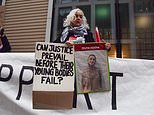
Hunger strikers in support of the pro-Palestine movement have now surpassed the duration of the famous hunger strike led by Bobby Sands in 1981. This situation has drawn significant attention and raised questions about the motivations of some of their supporters, particularly those on the hard left.
Located on Falls Road in Belfast, the mural of Bobby Sands has become a near-sacred symbol for many in the region. Sands, who died after 66 days without food, is remembered as a martyr for the Irish republican cause. His legacy casts a long shadow over contemporary hunger strikes, including those currently taking place in solidarity with Palestine, which have now entered their second month.
The ongoing hunger strike, initiated by a group of activists advocating for Palestinian rights, has sparked heated debates. Critics argue that some supporters may desire to elevate the strikers to martyrs, reminiscent of Sands’ legacy. This perspective raises ethical questions about the implications of martyrdom in political movements and the potential consequences for those involved.
Historical Context and Current Events
Bobby Sands’ hunger strike was a pivotal event during the Troubles in Northern Ireland, aimed at securing political prisoner status for IRA members. His death galvanized support for the republican movement and transformed him into a symbol of resistance. In contrast, today’s pro-Palestine hunger strikers are seeking to draw attention to the ongoing conflict and humanitarian issues in the region.
As of July 2023, reports indicate that these hunger strikers have reached a critical point in their protest, with some activists expressing concern for their health. The strikers are fueled by a desire to highlight what they perceive as injustices faced by Palestinians, drawing parallels to historical struggles for self-determination.
Strongly influenced by the legacy of Sands, some factions within the hard left appear to be positioning the current hunger strikers as symbols of resistance. This has led to discussions about the romanticization of martyrdom in political movements, which can influence public perception and potentially escalate tensions surrounding the issues at hand.
The Ethics of Martyrdom in Political Movements
The concept of martyrdom has historically played a significant role in various political movements. Martyrs often inspire action and solidarity among supporters while also drawing attention to their causes. In the context of the current hunger strike, the desire for martyrdom raises ethical questions about the implications for the strikers’ health and well-being.
Critics assert that promoting martyrdom can lead to dangerous outcomes, including the glorification of self-sacrifice as a means of achieving political goals. Proponents argue that highlighting such struggles is essential to raising awareness of the broader issues at play, particularly in the case of the Palestinian plight.
As the hunger strike continues, the debate around these complex issues is likely to intensify. Observers are watching closely, not only for the health outcomes of the strikers but also for the potential impact on public discourse regarding the Israeli-Palestinian conflict.
In conclusion, the situation surrounding the pro-Palestine hunger strikers presents a multifaceted challenge. It intertwines historical context, contemporary activism, and the ethical implications of martyrdom. As these events unfold, the world remains focused on the strikers’ health and the broader implications for the movement they represent.