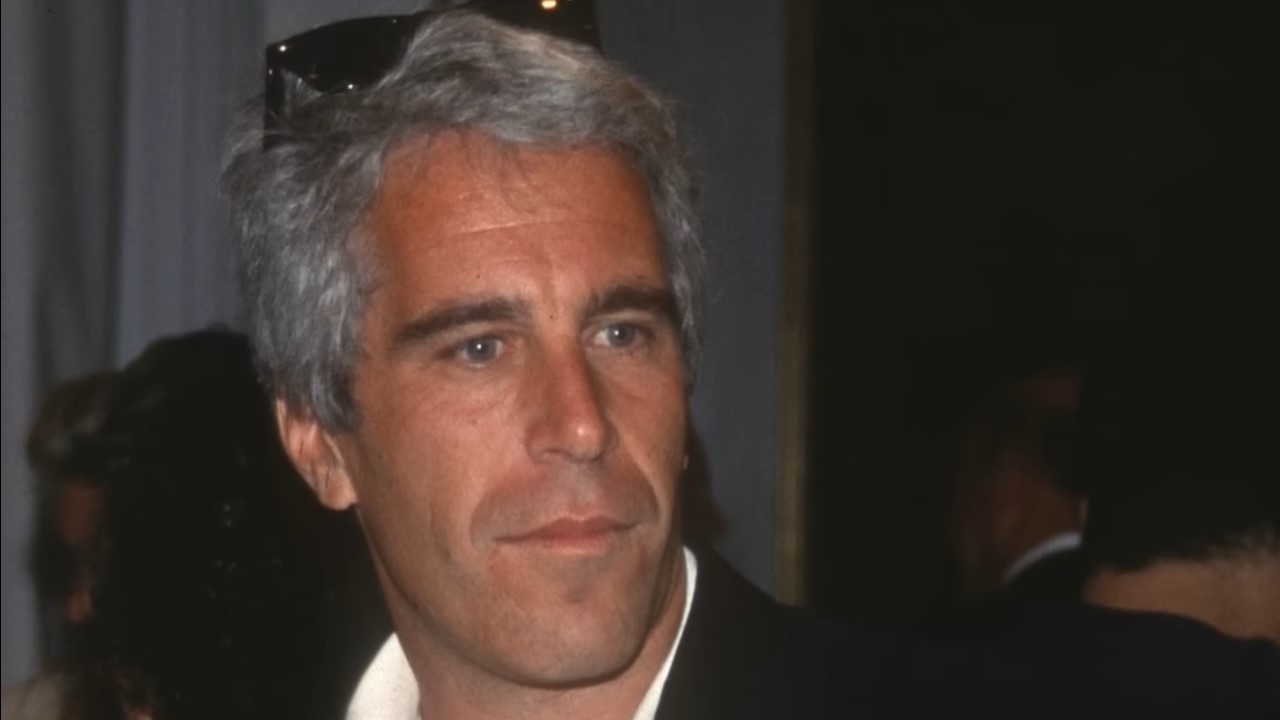
The life of convicted sex offender Jeffrey Epstein continues to unravel through a vast array of recently released documents. Despite the volume of material, only a fraction of the complete narrative surrounding his relationships with billionaires, politicians, and other influential figures has emerged. What stands out is how a man with humble beginnings managed to forge connections with the world’s elite and maintain them even after a felony conviction.
Epstein grew up in a middle-class neighborhood in New York during the 1950s, with a mother who worked as a teacher’s aide and a father who was a groundskeeper. In 1974, despite lacking a college degree, he obtained a teaching position at the prestigious Dalton School in Manhattan, where he interacted with children of prominent figures. His tenure was short-lived, as he was dismissed in 1976 for “poor performance.” However, this setback did not deter him; he transformed a parent-teacher conference into a job opportunity at Bear Stearns, thanks to his ability to charm influential individuals.
According to Lynne Koeppel, daughter of Bear Stearns chairman Alan Greenberg, Epstein was adept at winning people over. “Give Jeff credit. He was brilliant,” she stated in an interview with the Miami Herald. This skill allowed him to transition from a maths teacher to a Wall Street trader, marking the beginning of his rise within elite circles.
What set Epstein apart was not merely his networking ability but the sheer breadth of his connections. Journalist Michael Wolff, who interviewed Epstein extensively, noted that the financier attended high-profile events like TED conferences to meet scientists and intellectuals. “TED was hard to get into, yet Jeffrey could show up with 11 people and they would all get passes,” recalled one attendee. Epstein transformed these gatherings into platforms for meeting potential allies, later inviting them to lavish events where wealth and prestige intersected.
The effectiveness of Epstein’s networking strategy cannot be overstated. He created a complex web of connections, with data from the Epstein network visualisation project revealing over 1,400 individuals linked through various interactions, placing Epstein at the center of this professional ecosystem. This network included not only financial titans but also academics who brought prestige without the wealth that many desired.
At the pinnacle of global wealth, a select few operate within a tightly-knit community. Epstein understood this dynamic, attending exclusive dinners hosted by the Edge Foundation alongside figures such as Jeff Bezos, Larry Page, Sergey Brin, and Elon Musk. His email correspondence revealed meticulous planning around events, booking accommodations for guests and leveraging social connections to enhance his status.
Even after his 2008 conviction for soliciting prostitution from a minor, Epstein adeptly re-established his network, relying on influential figures to vouch for his supposed transformation. The elite often protect their own, and Epstein’s ability to maintain connections reflects a troubling reality—many powerful individuals prefer to remain silent rather than confront uncomfortable truths.
While networking was a critical component of Epstein’s wealth and influence, the source of his fortune stemmed from managing money for a select group of ultra-rich clients. The opacity surrounding these financial arrangements raises questions about the nature of his business dealings. Document releases also highlighted Epstein’s responsiveness; he received tens of thousands of messages, responding promptly, distinguishing himself from others who often get filtered through layers of assistants.
The darker aspect of Epstein’s networking involved leveraging social connections, possibly through coercion, to create business opportunities that financed his lavish lifestyle. This created a feedback loop of access, wealth, and control, allowing him to engage with an even broader spectrum of influential figures.
The troubling reality is not only that Epstein had access to such a powerful network, but also that many individuals within it remain silent amid the ongoing investigations. If their names surface in connection to Epstein, one would expect a desire for transparency to exonerate themselves. Some may fear exposure for their own misdeeds, while others might prioritize their standing within this exclusive circle over the quest for justice.
Ultimately, Epstein’s network exemplifies the dynamics of elite society, where a few hundred individuals, regardless of their proclaimed political differences, look after one another. Epstein’s audacity to exploit this insularity serves as a stark reminder of the complexities and moral ambiguities present within the upper echelons of power.