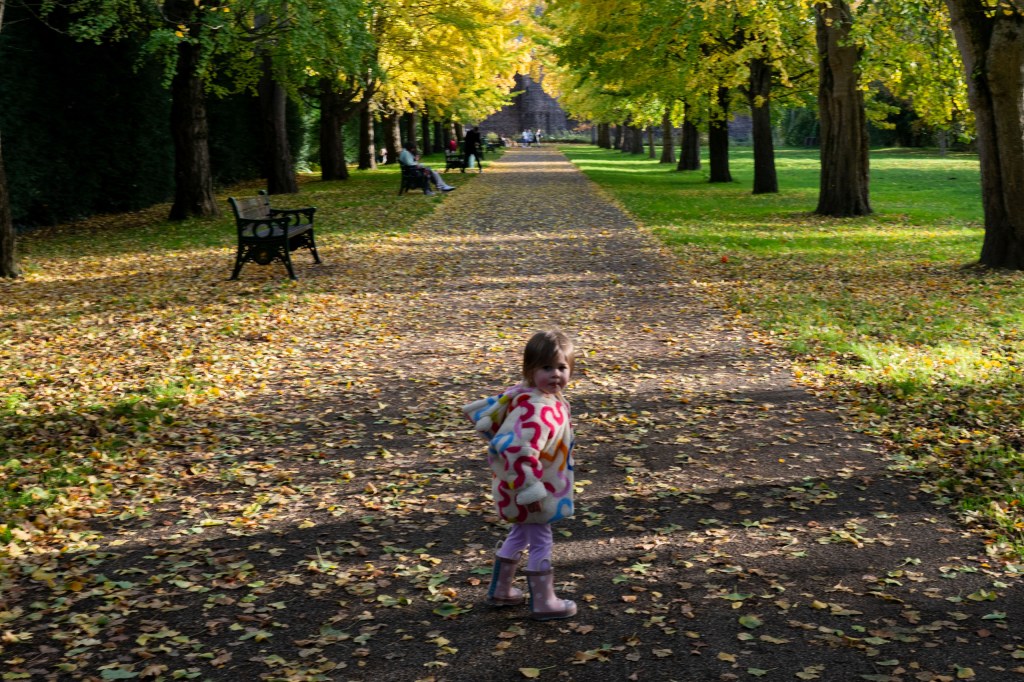
Photographers can enhance their physical fitness while improving their skills and saving money. This assertion comes from the personal experience of photographer Amy Davies, who highlights the often-overlooked physical benefits of engaging in photography, particularly for those capturing images of children and pets. As many people set fitness goals in January, Davies suggests that incorporating photography into routines can make sticking to those resolutions more enjoyable.
Taking pictures may seem like a leisurely activity, but it often requires physical movement and engagement. For Davies, capturing images of her daughters and dog involves dynamic action. She explains that getting on the same level as the subject is essential for creating engaging portraits. This means squatting, changing positions quickly, and moving around, which collectively contributes to a full-body workout.
In her practice, Davies makes a concerted effort several times a week to take thoughtfully composed photographs. She emphasizes that these are not just quick snapshots but rather images that her family will cherish for years to come. The physical exertion from these sessions has tangible benefits; she notes that her fitness levels have improved significantly over the past couple of years.
Using a Nikon Z8 camera with a 24-70mm f/2.8S II lens, Davies describes how the weight of the equipment adds an element of resistance training. She shares two examples of her photography techniques. In one image, taken from a standing position, her daughter appears overwhelmed by the surroundings. In contrast, a shot taken while squatting provides a more intimate perspective, allowing her daughter to connect directly with the camera.
The benefits of this approach extend beyond physical fitness. Davies has observed that her photography skills have improved as well. She believes that capturing images from a child’s-eye view not only enhances the quality of the photographs but also adds a layer of charm that resonates with viewers.
While not everyone may have children or pets to photograph, Davies encourages others to explore similar exercises. Getting down low offers unique perspectives, whether photographing landscapes, animals, or even macro subjects like flowers. This technique can significantly alter the composition and impact of the image.
As individuals incorporate photography into their fitness routines, they may find additional advantages. By engaging in this creative pursuit, one can enhance their physical health, improve their photography skills, and potentially save on gym memberships. As Davies points out, the often-ignored reality of gym attendance can make photography an appealing alternative.
In summary, photography offers a multifaceted opportunity for personal growth. It combines physical activity with creative expression, enabling individuals to capture meaningful moments while reaping health benefits. As more people recognize these advantages, the art of photography may become an integral part of their fitness journeys.
Readers are encouraged to share their experiences with photography and its added benefits, fostering a community of creative engagement.