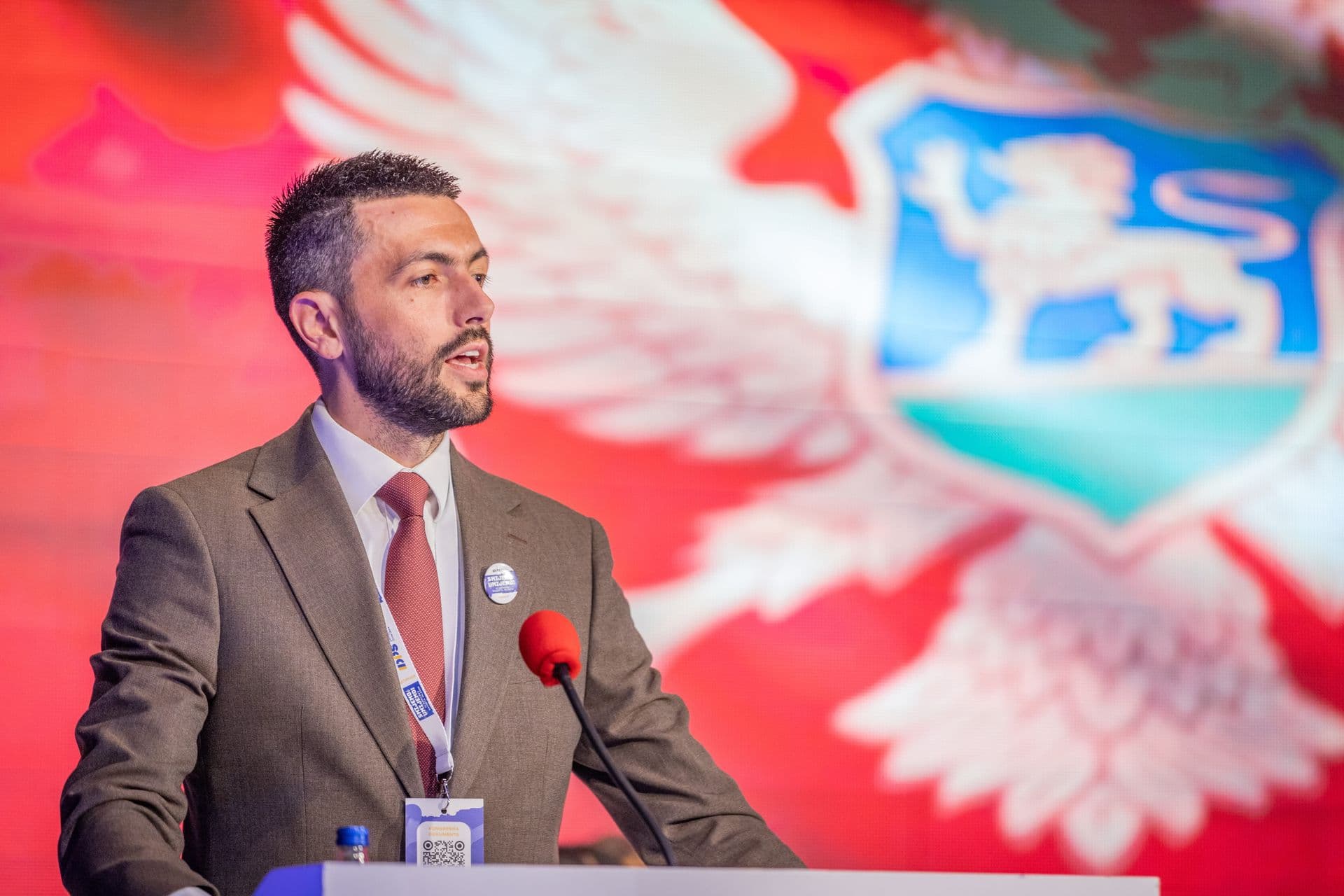
In a recent interview, Danijel Živković, President of the Democratic Party of Socialists (DPS), addressed the party’s contentious decision to support a municipal budget in Budva that allocates €1 million to the Serbian Orthodox Church (SPC). This funding has raised eyebrows, particularly given the DPS’s long-standing criticism of the SPC’s influence in Montenegro, which they claim undermines the country’s secular and constitutional framework.
Živković asserted that the DPS has not shifted its political stance regarding the SPC, despite public skepticism. He emphasized that the decision to endorse Budva’s budget was made with the intent of fostering stability and functionality in local governance, following a decade of ineffective leadership from the coalition led by the Democratic Front (DF). The DPS played a crucial role in the coalition’s removal and is now focused on restoring Budva’s position as a key player in Montenegro’s tourism sector.
The decision to support the budget has sparked debate within the civic community, where some have questioned whether the DPS has changed its political course. Živković firmly denied such claims, recalling that the DPS initiated the controversial Law on Freedom of Religion, fully aware of the risks involved in losing power during the tumultuous political climate leading up to August 30, 2020.
He reiterated that the party’s commitment to the secular state and its core values remains intact. “Democratic Party of Socialists is not in agreement with the part of the budget that is, in our opinion, excessively generous to one religious community,” he stated. Živković further explained that the funds could have been better utilized for pressing needs such as infrastructure improvements in transport, education, and health.
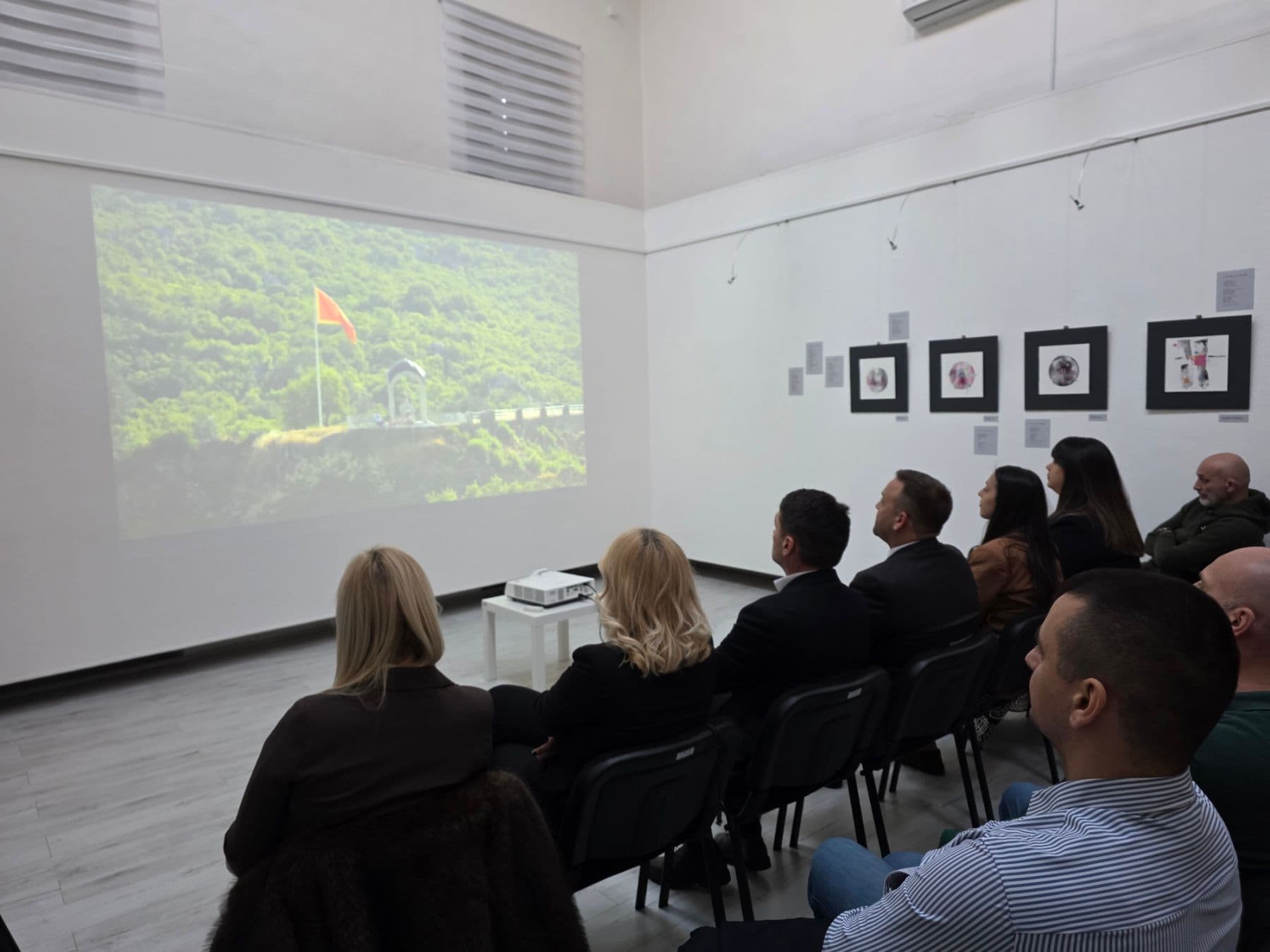
Despite the controversy, he expressed the belief that maintaining partnerships with political leaders is essential for navigating the current political landscape. Živković underscored that this coalition, while unique, had allowed Budva to celebrate Montenegro’s independence after a decade of absence from the local political scene. He highlighted the cultural revitalization in Budva, contrasting it with the past dominance of the Guča music festival, which had overshadowed local traditions.
Looking ahead, Živković indicated that the coalition would continue to operate until the next scheduled local elections in 2027. He expressed a clear desire to avoid snap elections, which he believes would only destabilize the region further. “We wanted to ensure long-term stability and cooperation based on respect for Montenegro as an independent state with a European perspective,” he noted, acknowledging the inherent challenges of this decision.
In discussing the ongoing environmental and identity politics surrounding the construction of sewage collectors in Botun, Živković remarked that these issues have been politicized, leading to delays in crucial infrastructure projects. He posited that the current government, characterized by both populism and nationalism, has created an environment of dysfunction that hinders progress.
The DPS leader articulated a vision for a pro-European government that prioritizes economic growth and the rule of law, reaffirming the party’s readiness to engage in serious discussions for sustainable governance. He expressed concern over external influences attempting to sway Montenegro’s political direction, specifically referencing the increasing presence of foreign powers that challenge the country’s sovereignty.
As the DPS navigates these challenges, Živković maintains that the party’s consistent messaging and commitment to national interests have helped preserve support among constituents. He emphasized the importance of reconnecting with the electorate, particularly those who feel marginalized since the change of government.
The DPS’s focus remains on promoting a stable, democratic Montenegro, with aspirations of European integration at the forefront. Živković concluded, “We are committed to fighting for Montenegro’s political, cultural, and moral integrity, ensuring that we do not deviate from our path towards a more secure and prosperous future.”