In a personal exploration of gender identity and sexuality, one individual recounts the transformational experience of dating a fellow trans person. This journey led to a profound shift in perspective regarding relationships with cisgender men, culminating in a stronger understanding of their own nonbinary identity.
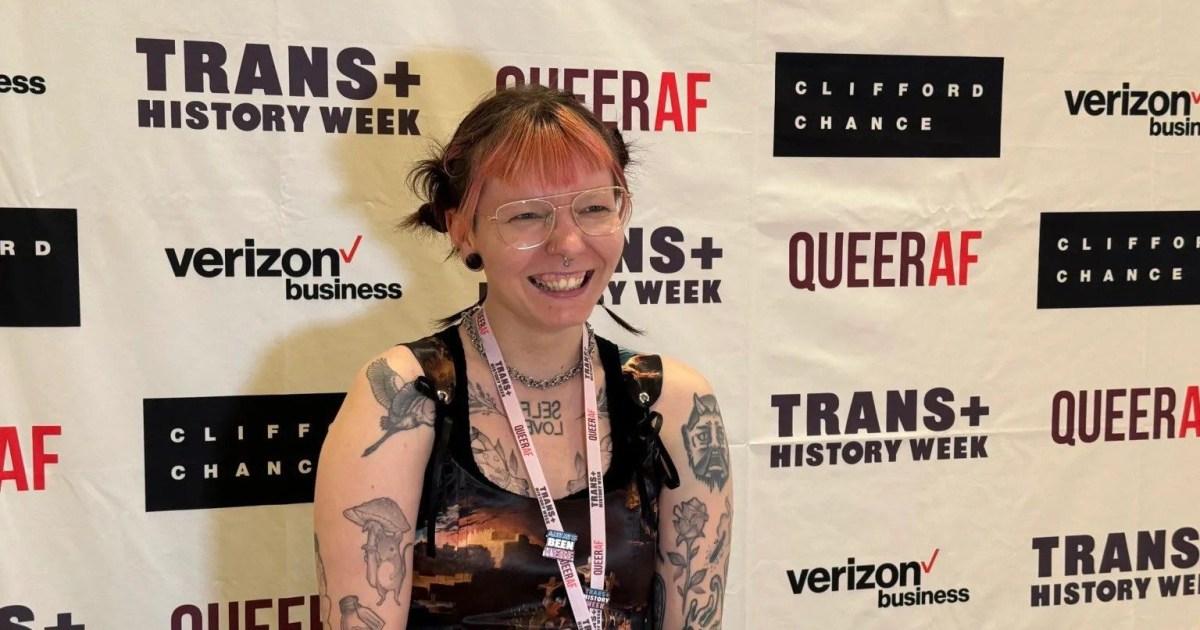
For Dee Whitnell, discovering the label “nonbinary” in their early twenties was a significant milestone. Until then, Whitnell had faced consistent misgendering by cisgender men, which often overshadowed their dating experiences. Whitnell recalls a moment of joy when a date used their correct pronouns, which highlighted the lack of affirmation experienced in past relationships. A friend’s comment—“Getting your pronouns right is the bare minimum”—was a wake-up call, prompting a deeper reflection on the necessity of genuine recognition in romantic connections.
Whitnell’s childhood was marked by a fluidity in gender expression, enjoying both traditional boys’ and girls’ activities. Yet, societal pressures in their teenage years led to attempts to conform to a more feminine ideal, including wearing makeup and dresses. This struggle continued until the realization of being nonbinary provided clarity and comfort. Whitnell describes this moment as akin to coming home, granting them the vocabulary to articulate their feelings about gender.
Navigating their gender identity was a gradual process, involving the careful disclosure of their nonbinary identity to friends and family. Surprisingly, Whitnell found acceptance from loved ones, who had already sensed their difference. This acceptance paved the way for a more authentic expression of self, including the eventual decision to adopt they/them pronouns exclusively.
In 2024, Whitnell met their boyfriend through a dating app, marking the first time they pursued a relationship with someone who shared a similar gender identity. This connection was notably different from previous experiences. The couple engaged in open discussions about their identities, desires, and boundaries before becoming intimate, creating a safe space for exploration.
The first intimate encounter was a revelation for Whitnell, who had previously felt anxious about being intimate with someone who shared similar anatomy. The experience, described as “dreamy” and “whimsical,” ignited a newfound desire to engage exclusively with trans partners. Whitnell recognized that being with a trans boyfriend eliminated the fear of being misgendered in intimate settings, allowing them to embrace their full identity without the burden of educating a partner.
Reflecting on this relationship, Whitnell expresses gratitude for the freedom it has provided. They now experience intimacy that acknowledges their gender identity, whether it’s a day when they prefer to bind their chest or simply cuddle on the sofa. The emotional support found in a t4t (trans for trans) relationship has alleviated the pressures of conforming to societal expectations and has fostered a sense of belonging.
Whitnell’s journey underscores the importance of authentic connection and acceptance within LGBTQ+ relationships. The realization that using correct pronouns is merely the starting point emphasizes the deeper need for understanding and affirmation. As they continue to navigate their identity, Whitnell concludes that their experiences have solidified a commitment to dating within the trans community, marking a significant departure from previous relationships with cisgender men.
This narrative serves as a reminder that love and acceptance are crucial for anyone exploring their identity, and that true relationships are built on mutual understanding and respect.