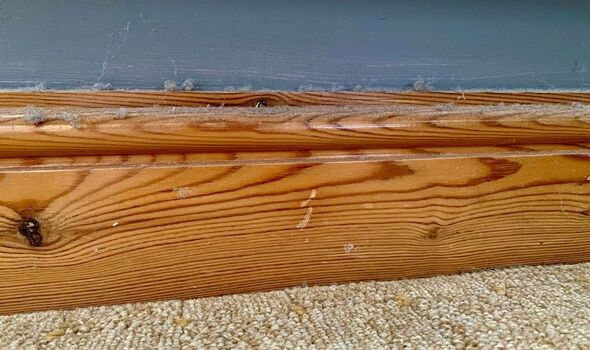
Dust accumulation on skirting boards can often feel inevitable, with a fresh layer appearing shortly after cleaning. A recent cleaning experiment revealed an effective method that kept skirting boards dust-free for an impressive three weeks. By utilizing a common household item, tumble dryer sheets, one individual discovered a solution that not only reduced the frequency of cleaning but also improved the cleanliness of their home.
Cleaning skirting boards tends to be an overlooked household task, especially in areas where dust is particularly stubborn, such as beneath radiators. As radiators stir up air, they also release dust and dirt particles, complicating the cleaning process. The innovative use of dryer sheets stems from their ability to combat static electricity, which causes dust to cling to surfaces. Initially skeptical, the individual decided to test this method after hearing about its effectiveness from various sources.
The process begins with a thorough vacuuming to eliminate as much dust as possible. In this case, a considerable amount of dust had settled on the skirting boards under the radiator. Following the vacuuming, a microfibre cloth dampened with soapy water was used to wipe down the skirting boards, successfully removing the remaining dust. After allowing the surface to dry for several minutes, the final step involved running a dryer sheet over the skirting boards, ensuring coverage in all the nooks and crannies.
This simple yet effective cleaning hack not only removed the visible dust but also left behind a light layer of fabric softener. This layer acts as a natural barrier, helping to repel dust particles and keep surfaces cleaner for longer. The results were notable; the skirting boards remained spotless for weeks, maintaining a shiny appearance as if they had just been cleaned.
The use of tumble dryer sheets for household cleaning may seem unconventional, yet this method illustrates how everyday items can be repurposed for effective cleaning solutions. By incorporating such strategies, individuals can reduce the frequency of cleaning tasks, ultimately saving time and effort in maintaining a dust-free home environment.