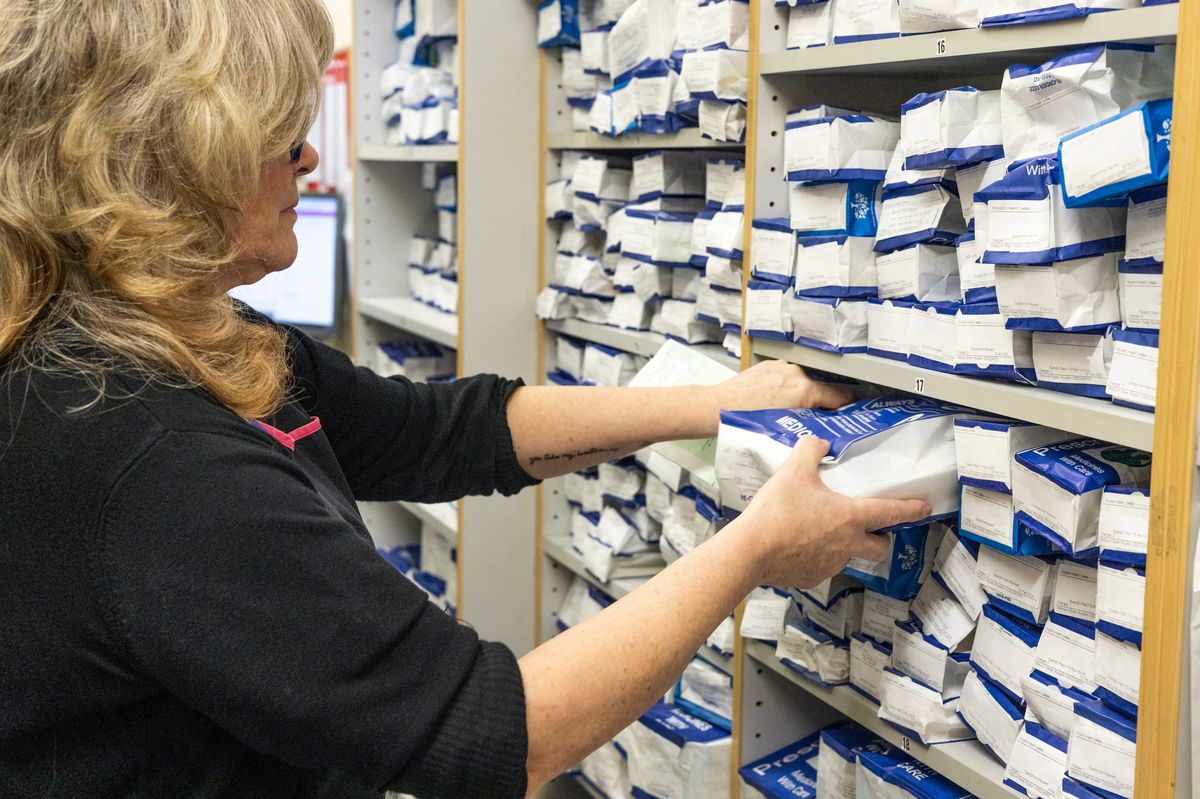
Shortages in key medications across the UK are intensifying, prompting urgent calls for action from healthcare professionals. According to Dr. Leyla Hannbeck, chief executive of the Independent Pharmacies Association, the situation is deteriorating, with more drugs expected to be added to the shortage list. Pharmacists are facing challenges in obtaining essential medicines, which are suddenly becoming scarce and significantly more expensive.
The impact of these shortages is extensive. Common medications, including aspirin and blood pressure treatments like ramipril and propranolol, have been particularly affected. In addition, drugs used to treat epilepsy and depression are also in limited supply. Dr. Hannbeck emphasized, “When they start going short in stock, the prices shoot up, leaving pharmacists out of pocket and many unable to buy these because they’re not getting reimbursed.”
Healthcare Professionals Raise Alarm
The situation has led to pharmacists rationing supplies, prioritizing those patients with the greatest need. Dr. Hannbeck noted that while export bans have been implemented to protect UK stocks, these measures only serve as temporary fixes. “At the end of the day, that doesn’t solve the problem,” she stated. “It’s patching up. It doesn’t really solve the real issue, which is the whole system needs reviewing.”
Pharmacists are reporting that shortages, once an occasional hurdle, have become an everyday challenge. Dr. Hannbeck remarked, “It’s now daily that we’re struggling to get medicines in, and it’s affecting a lot of common medicines.” This crisis is impacting many popular medications that serve a significant portion of the population, raising concerns about the sustainability of the current system.
In light of these challenges, Dr. Hannbeck urged patients to avoid panic buying, which can further exacerbate supply issues. Instead, she encouraged the public to make their voices heard by contacting their local Member of Parliament (MP). “Community pharmacists will always do everything they can to not leave you without your medicine,” she said. “But we continue asking patients to please raise this with your local member of parliament.”
Government Response and Future Outlook
In response to the growing shortages, a spokesperson for the Department of Health and Social Care stated that the UK’s licensed medicines are in good supply. To maintain this status, the government is investing more in the domestic medicine manufacturing industry. The spokesperson acknowledged the ongoing supply issues with certain blood pressure medications and affirmed that they are working closely with suppliers to resolve current disruptions.
Dr. Hannbeck stressed the importance of addressing these systemic issues before they worsen. She stated, “We are worried that as months pass by, it will get worse if the fundamentals are not addressed.”
Pharmacists are appealing for patience from patients, as frustrations at pharmacies can sometimes lead to confrontations. “Some patients get abusive in the pharmacies, they start throwing things around and shout abuse. It’s not our fault,” Dr. Hannbeck explained.
The call to action is clear: as the healthcare system grapples with these shortages, both patients and professionals must work together to advocate for necessary changes. Dr. Hannbeck encouraged individuals to reach out to their MPs, stating, “So before things get worse, get in touch with members of parliament and raise this.”
For those interested in contacting their local MP, details can be found on the official parliament website. The current climate underscores the urgent need for a comprehensive review of the system to ensure that all patients can access the medications they need.