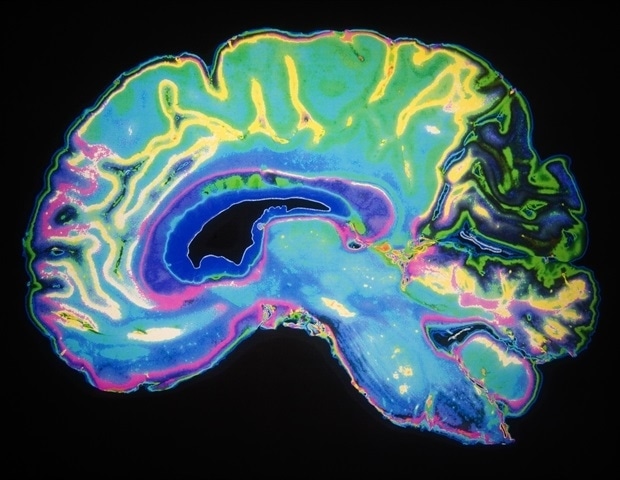
Groundbreaking research from the Technical University of Munich (TUM) and the Friedrich-Alexander-University Erlangen-Nuremberg (FAU) reveals that functional MRI (fMRI) signals may not accurately represent true brain activity. The study indicates that in approximately 40 percent of cases, higher fMRI signals correspond to reduced brain activity, challenging long-standing assumptions about the relationship between blood flow and neuronal activity.
The findings suggest a significant reinterpretation of fMRI results, which have been the basis for tens of thousands of studies worldwide. Traditionally, it was believed that increased brain activity was always linked to an uptick in blood flow to meet heightened oxygen demand. However, the researchers observed a different trend during experiments involving over 40 healthy participants, where they performed tasks such as mental arithmetic and autobiographical memory recall.
New Insights into Brain Function
During these tasks, the team, led by Dr. Samira Epp and PD Dr. Valentin Riedl, now a professor at FAU, employed a novel quantitative MRI technique to measure actual oxygen consumption in real time. Their results demonstrated that in certain brain regions, increased oxygen consumption did not align with expected increases in blood flow. Instead, the analysis revealed that these areas were optimizing oxygen extraction from the existing blood supply, meeting their energy demands more efficiently without necessitating greater perfusion.
Dr. Riedl emphasized the broader implications of these findings, particularly for interpreting research on brain disorders. He noted that many studies focusing on psychiatric and neurological conditions—ranging from depression to Alzheimer’s disease—rely on changes in blood flow as indicators of neuronal activation. Given the new evidence regarding the limitations of these measurements, he argued, “This must now be reassessed. Especially in patient groups with vascular changes, the measured values may primarily reflect vascular differences rather than neuronal deficits.”
A Call for Methodological Changes
Previous animal studies have hinted at similar discrepancies, underscoring the need for a methodological shift in how fMRI data is interpreted. The researchers advocate for complementing traditional MRI approaches with quantitative measurements. This integration could pave the way for energy-based brain models that provide a more accurate representation of how much oxygen—and thus energy—is consumed during cognitive processes.
Such advancements could transform research into aging, psychiatric disorders, and neurodegenerative diseases by allowing scientists to examine absolute changes in energy metabolism. This fresh perspective aims to enhance understanding of these conditions, moving beyond simplistic activation maps that depend on assumptions about blood flow.
The study, published in Nature Neuroscience in 2025, highlights a critical juncture in neuroscience research, calling for a reevaluation of how brain activity is monitored and interpreted. As this field continues to evolve, the incorporation of these findings could reshape future investigations and clinical assessments, ultimately leading to better diagnostic and treatment options for patients with brain disorders.