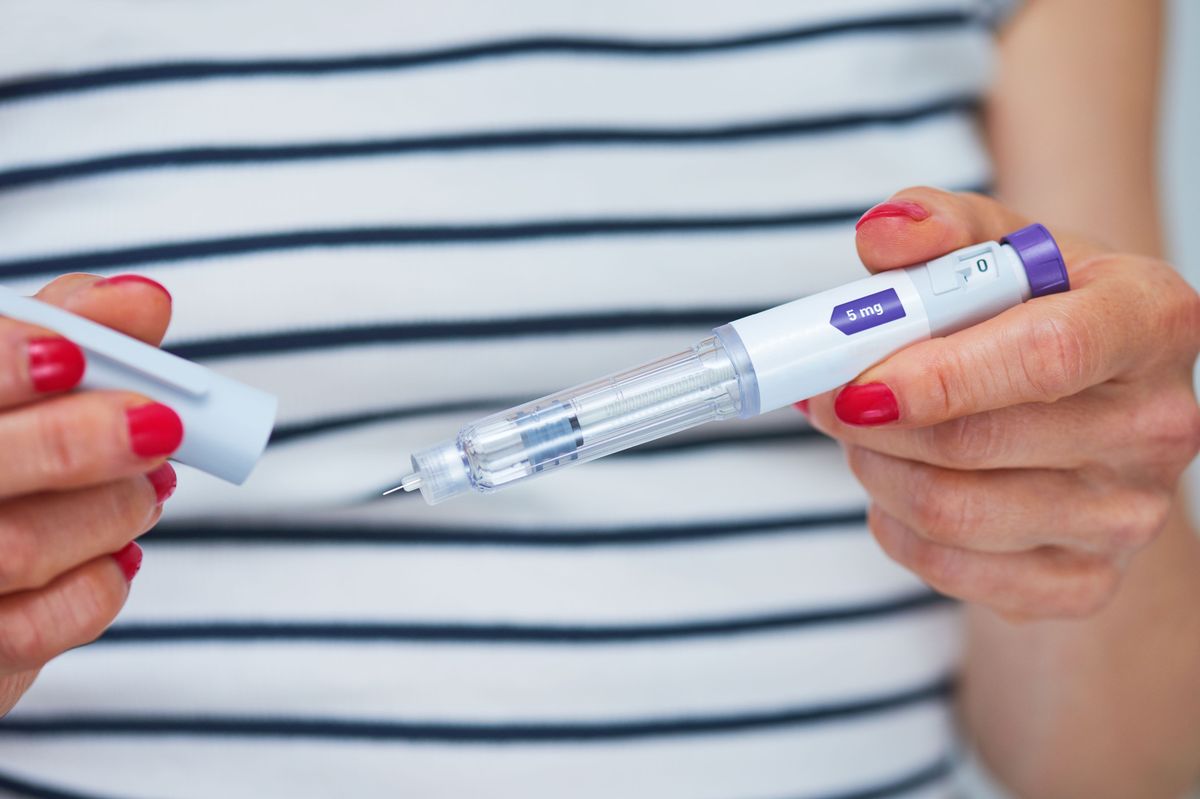
The National Health Service (NHS) has issued a significant alert regarding the use of the weight-loss medication Mounjaro (tirzepatide) in conjunction with other medications, particularly contraceptives and Hormone Replacement Therapy (HRT). This advisory affects thousands of patients in the UK who are using these injections either for diabetes management or for weight loss purposes.
As individuals set health and fitness goals for the New Year, many are turning to medications designed for weight management. While lifestyle changes like diet and exercise are essential, some may find that these alone are insufficient. Medications such as Mounjaro and Semaglutide (known by brand names like Ozempic and Wegovy) are increasingly popular for patients with type 2 diabetes or those looking for assistance with chronic weight issues. These drugs function by slowing gastric emptying, which helps regulate blood sugar levels and suppress appetite.
Recent estimates indicate that more than 500,000 people in the UK are currently using Mounjaro for weight management, although fewer than 220,000 are expected to receive it through the NHS over the next three years. This disparity is due to strict eligibility criteria for NHS prescriptions.
NHS Alert on Medication Interactions
The NHS has outlined potential interactions between Mounjaro and other medications, particularly highlighting its impact on the effectiveness of contraceptive pills and HRT. An important notice on the NHS website warns that the absorption of these medications may be impaired when taken alongside Mounjaro. Specifically, the warning states that patients on oral contraceptives, including the Progesterone-Only Pill, may experience reduced effectiveness due to the medication’s effects.
For patients taking Mounjaro, the NHS recommends using a non-oral contraceptive method, such as a coil or implant, or combining it with a barrier method like condoms for at least four weeks after initiating or increasing the dosage of the injection. The NHS further advises that if a patient experiences side effects such as vomiting or diarrhoea, they should use extra protection and follow specific guidelines regarding missed pills.
In contrast, the NHS notes that while Semaglutide does not appear to reduce the effectiveness of oral contraceptives, similar precautions regarding vomiting and diarrhoea still apply, as these conditions can affect how well the contraceptive is absorbed.
Impact on Hormone Replacement Therapy
For individuals undergoing Hormone Replacement Therapy, particularly those using progesterone tablets, the NHS has raised concerns that medications like Mounjaro and Semaglutide may hinder the absorption of these critical tablets. The potential consequences include irregular bleeding and a risk of affecting the womb lining, which may increase the risk of endometrial cancer.
Patients are encouraged to consult their healthcare providers regarding their HRT options while using weight loss medications. The NHS underscores the importance of effective contraception for those on GLP-1 agonists, cautioning that these drugs should not be used during pregnancy. If pregnancy occurs while on these medications, patients should contact their doctor immediately and cease the use of GLP-1 agonists several weeks prior to attempting conception.
The health alert emphasizes the need for patients to stay informed about their medications and the potential interactions that may arise from combining different treatments. Those considering adjustments to their contraceptive methods or undergoing significant lifestyle changes should engage in discussions with their healthcare providers to ensure safe and effective management of their health.