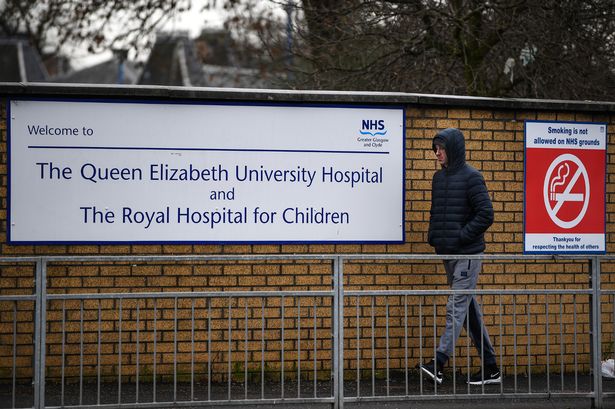
Visitors to hospitals in the greater Glasgow area are now required to wear face masks due to a significant increase in flu cases. NHS Greater Glasgow and Clyde (NHSGGC) has reported a rise in patients exhibiting flu-like symptoms, prompting health officials to request that visitors help mitigate the spread of the virus. This measure aims to protect vulnerable patients during the ongoing flu season.
In accordance with guidance from the Infection Prevention and Control Teams, all hospital visitors and clinical staff must wear Fluid Resistant Surgical Masks while on hospital grounds. These masks are similar to those used throughout the Covid-19 pandemic. The NHSGGC will continue to monitor the situation closely as it evolves.
Professor Angela Wallace, Executive Director of Nursing at NHSGGC, emphasized the importance of this precautionary measure. She stated, “Flu season is here, and we want to ensure that you, your loved ones, and those who are the most vulnerable stay protected. By wearing a mask when you visit a hospital or by following our simple suggestions if you are experiencing symptoms, you are doing your bit to help reduce the spread of the virus.”
The health board also encourages eligible individuals to receive the flu vaccine as the most effective way to protect against the virus. Invitations for vaccinations will be sent to those who qualify, and residents are urged to attend their scheduled appointments. For those who may have missed their appointments, community pharmacies are now administering the vaccine, and mobile vaccination clinics are operating throughout NHSGGC, allowing eligible patients to drop in without an appointment.
Guidelines for Managing Flu Symptoms
In addition to mask-wearing and vaccination, the NHSGGC has issued guidelines for individuals experiencing mild to moderate flu-like symptoms. They advise against attending Accident & Emergency departments or visiting patients in hospitals to minimize the risk of spreading the virus.
The following steps are recommended for those feeling unwell:
– **Assess the situation**: Use online self-help guides to manage symptoms safely at home. Resources are available on NHS Inform and the NHS 24 app.
– **Seek local support**: For medical advice, individuals should contact their GP surgery. Community pharmacists are also available for consultations without an appointment and can provide guidance on further care if needed.
– **Contact NHS 24**: If symptoms appear urgent or if it is outside of regular hours, NHS 24 operates 24 hours a day to provide support and arrange necessary appointments.
This proactive approach aims to ensure that individuals are cared for while also safeguarding the health of the wider community during this flu season. For further information about the vaccination programme, visit the NHSGGC’s Winter Vaccination Programme 2025/26 page.