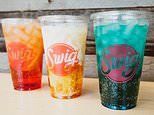
The recent popularity of ‘dirty sodas,’ a sweetened beverage trend originating from the social media presence of Mormon influencers, has captured widespread attention. Over the course of a week, I replaced my usual morning coffee with these sugary drinks to delve deeper into their appeal and nutritional implications.
The Rise of Dirty Sodas in Popular Culture
‘Dirty sodas’ have become a sensation, particularly among followers of various social media platforms. Originating from Utah, these drinks combine soda with flavored syrups, cream, and often additional sweeteners, creating a rich and indulgent experience. Influencers, including several popular figures within the Mormon community, have shared their love for these beverages, showcasing them as fun and vibrant options that can be enjoyed at any time of the day.
The combination of flavors and the vibrant presentation has made dirty sodas appealing not just to those in Utah but to a broader audience seeking a sugar-laden alternative to traditional drinks. According to a report from the beverage industry, sales of flavored syrups have surged by approximately 30% over the past year, largely driven by the dirty soda trend.
My Week Long Experience with Dirty Sodas
To fully understand the hype, I decided to engage in a week-long experiment, substituting my daily coffee routine with several variants of dirty sodas. Each day, I visited a different local shop that specializes in these drinks. The first day featured a classic combination of cola with coconut cream, enticingly sweet and rich, while subsequent days included variations with fruit flavors and whipped cream toppings.
The experience was undeniably enjoyable at first. The flavors were bold, and the drinks provided a delightful contrast to my standard morning routine. However, as the week progressed, I noticed the impact of consuming such high levels of sugar. Each dirty soda typically contains around 60 grams of sugar, significantly exceeding the daily recommended limit for adults, which is 25 grams for women and 37.5 grams for men, according to the American Heart Association.
Health experts have expressed concern over the rising trend of sugar-laden drinks, emphasizing the potential health risks associated with excessive sugar consumption. Dr. Emily Carter, a nutritionist based in Utah, notes that “while indulging occasionally is fine, regularly consuming drinks with high sugar content can lead to serious health issues, including obesity and diabetes.”
Despite the delicious flavors and the social media buzz, my week of dirty sodas highlighted a critical balance between enjoyment and health. As I concluded my experiment, the initial excitement faded, replaced by a desire to return to a more balanced diet.
While dirty sodas are a fun and trendy option, it is essential for consumers to be mindful of their sugar intake and the potential health implications. As this trend continues to grow, the beverage industry may need to address these concerns and consider offering healthier alternatives for those seeking to join in on the excitement without compromising their health.