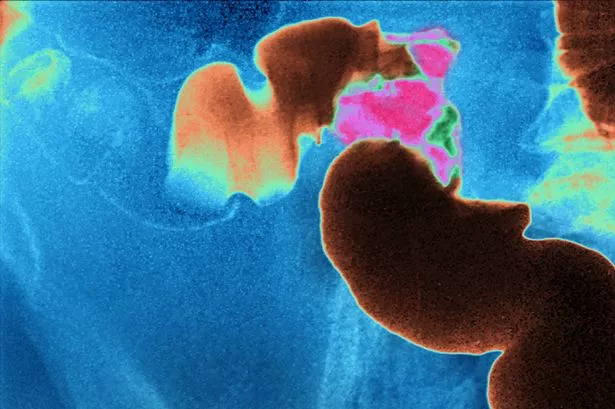
A new study at Queen’s University Belfast is investigating how bowel cancer develops resistance to treatment, a significant challenge that complicates effective management of the disease. Funded by Cancer Research UK, the research will focus on RNA, the molecule responsible for conveying genetic instructions that regulate cellular growth and behavior. Understanding how this process is manipulated in cancer cells could pave the way for improved therapies.
Lead researcher Dr. Susanta Chatterjee, a Senior Postdoctoral Fellow at the university, stated that the research aims to uncover mechanisms by which bowel cancer cells evade the effects of existing treatments. “We know cancer can resist treatments by hijacking healthy processes designed to remove errors that cause abnormal cell growth,” Chatterjee explained. “If we can better understand these mechanisms, we could ultimately improve anti-cancer therapies.”
Bowel cancer, also referred to as colorectal cancer, is a primary focus for cancer research globally. It stands as the second most common cause of cancer-related deaths in the UK. Each year, approximately 1,300 people are diagnosed with bowel cancer in Northern Ireland, contributing to the overall statistic of about 17,400 bowel cancer deaths in the UK annually. Alarmingly, the disease is increasingly being identified in younger populations.
According to a recent study conducted by the American Cancer Society and published in The Lancet Oncology, the rates of early-onset bowel cancer among adults aged 25 to 49 are rising in 27 out of 50 countries studied, including the UK. This trend underscores the urgent need for new treatment strategies.
The study at Queen’s University will concentrate on genotoxic drugs, which aim to kill cancer cells by damaging their DNA and RNA. Despite their initial effectiveness, cancer can develop resistance to these treatments, leading to regrowth. The research team will examine the mechanisms that allow cancerous RNA cells to overcome chemotherapy.
Dr. Catherine Elliott, Director of Research at Cancer Research UK, remarked, “Cancer’s ability to eventually overcome existing treatments and start growing again is one of the biggest challenges in cancer research. That’s why we are funding various projects, including this exciting initiative at Queen’s University Belfast, to tackle this problem. Bowel cancer is increasingly being diagnosed in younger people, so new solutions are needed urgently.”
This investigation not only highlights the complexities of tackling cancer but also emphasizes the growing need for innovative research in the face of rising incidence rates. As the Belfast team delves into the intricacies of cancer resistance, there is hope that their findings will lead to more effective treatments, ultimately saving lives and improving outcomes for patients diagnosed with this challenging disease.