Television presenter Adrian Chiles has recently undergone surgery to remove a cancerous patch of skin from his shoulder, bringing to light the urgent need for increased awareness about skin cancer. This diagnosis came after Chiles identified a suspicious skin patch, which was later confirmed to be a squamous cell carcinoma through a biopsy.
Skin cancer is the most prevalent cancer in the UK, claiming approximately 2,100 lives annually. Despite its high incidence, a staggering 77 percent of people are unable to recognize the early warning signs of melanoma, according to the British Association of Dermatologists (BAD). This situation underscores a critical gap in public knowledge regarding the disease’s risks and the indicators of its various forms.
Rising Incidence and Concerning Trends
The situation may worsen in the coming years. Cancer Research UK predicts a 50 percent increase in skin cancer cases by 2040, a rise attributed to the surge in affordable package holidays that began in the 1960s. The charity reported that skin cancer diagnoses reached record levels of 17,545 annually between 2017 and 2019, with projections suggesting this figure could rise to 26,531 cases annually by 2040.
There are two primary types of skin cancer: melanoma and non-melanoma. Melanoma is the deadliest form, with around 13,000 new cases diagnosed each year in the UK. Non-melanoma includes more than 100,000 new cases annually, primarily consisting of basal cell carcinoma and squamous cell carcinoma. The latter accounts for about 20 percent of all skin cancer cases and is primarily caused by prolonged exposure to ultraviolet (UV) light.
The Skin Care Foundation states that the risk of developing melanoma doubles for individuals who have experienced five or more sunburns at any age. Alarmingly, a single blistering sunburn during childhood or adolescence more than doubles the chances of developing melanoma later in life.
Public Awareness and Prevention Strategies
Despite the serious risks associated with sunburn, nearly 75 percent of respondents in a BAD survey reported having experienced a sunburn in the past year. Additionally, a concerning 40 percent admitted they never perform self-examinations for signs of skin cancer.
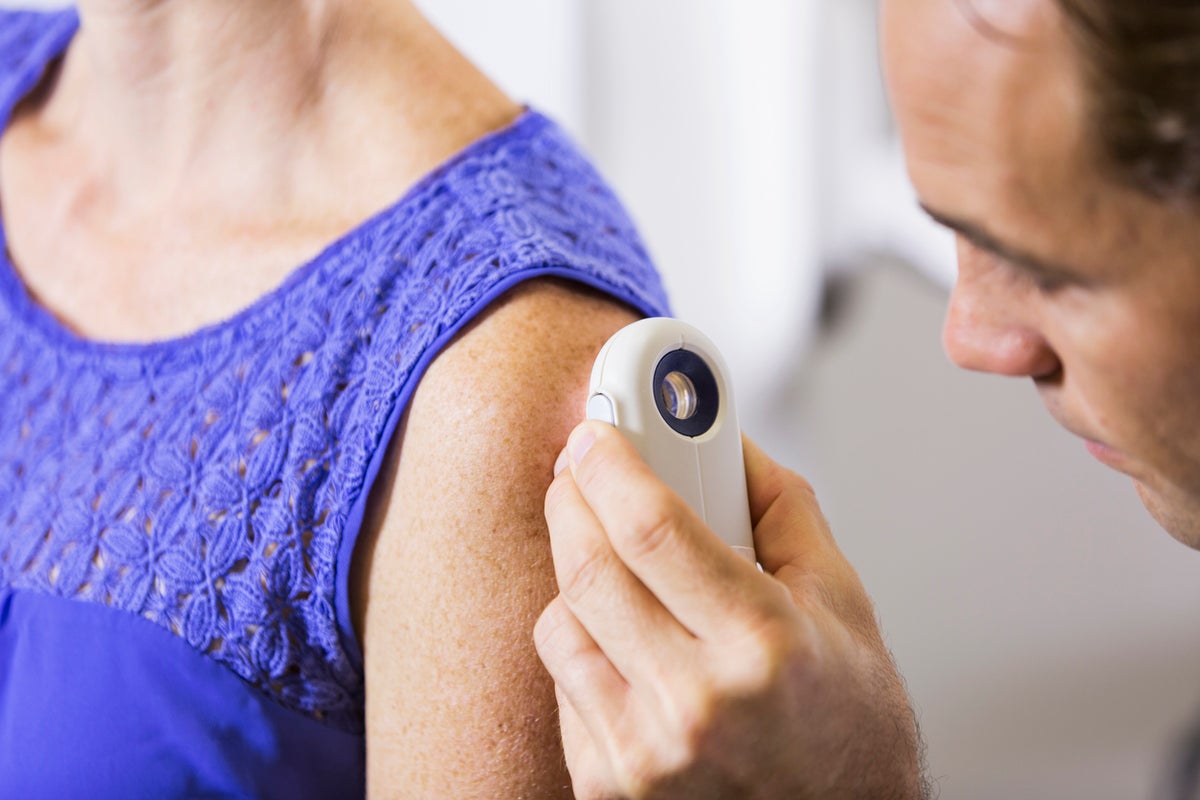
Recognizing the early signs of both non-melanoma and melanoma skin cancers is crucial for effective treatment. Individuals are encouraged to regularly check their skin for unusual changes, such as new growths or changes in existing moles. Education on these signs is vital to improving early detection and outcomes.
Chiles’ experience serves as a reminder of the importance of vigilance regarding skin health. Increased public awareness and education could play a significant role in combating the rising trend of skin cancer diagnoses, ensuring that more individuals are equipped to recognize the warning signs and seek timely medical advice.