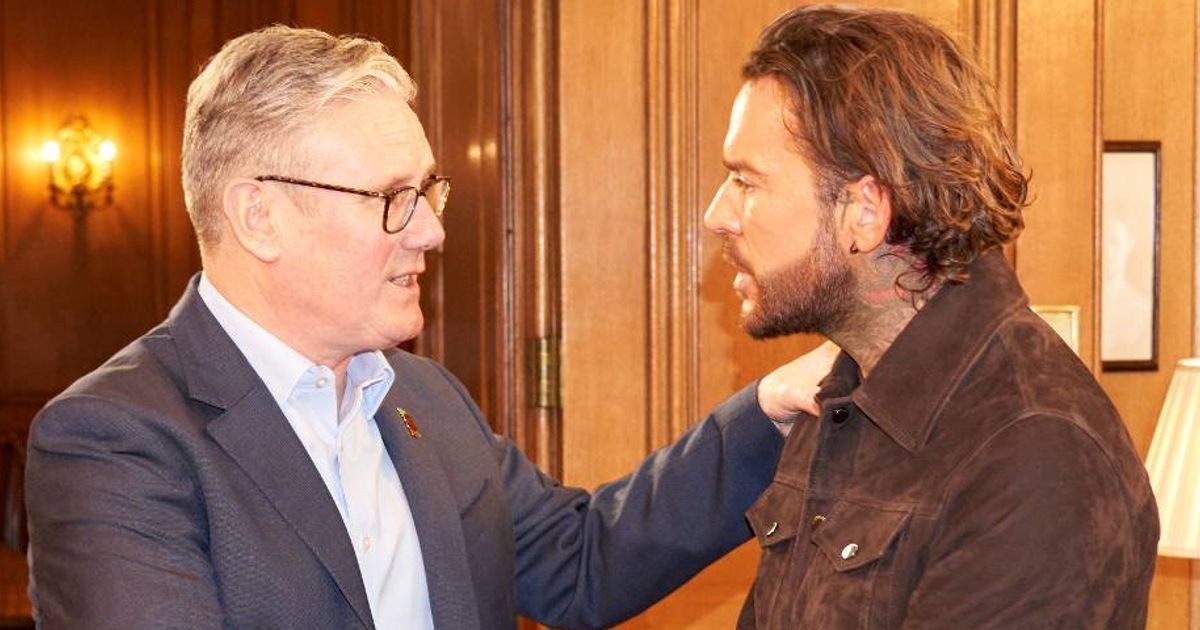
Television personality Pete Wicks shared insights from a poignant discussion with Keir Starmer, the leader of the UK Labour Party. The conversation took place following a public statement from Starmer regarding the profound impact of his brother’s death. This exchange highlighted the personal struggles faced by public figures and the importance of mental health awareness.
Starmer’s Heartfelt Reflection
During their meeting, Starmer became visibly emotional as he recounted his brother’s passing. He emphasized the need for open conversations about grief and mental health. Starmer’s experience resonates with many, showcasing how personal loss can affect individuals from all walks of life, including those in political positions.
Wicks, known for his candid discussions about personal challenges, expressed his admiration for Starmer’s vulnerability. The encounter underscored the significance of addressing mental health issues, particularly in the high-pressure environment of politics. Wicks stated, “It was important to hear someone like Keir talk about his experiences. It shows that even leaders face struggles.” This sentiment reflects a growing recognition of the need for mental health discussions in society.
The Broader Impact of Their Conversation
In recent months, public figures discussing mental health have gained traction, encouraging others to share their experiences. Wicks and Starmer’s dialogue contributes to this movement, providing a platform for individuals to confront their feelings openly. The conversation could inspire more people to seek help and support, breaking down the stigma often associated with mental health issues.
Wicks’ engagement with Starmer may also serve as a reminder of the shared human experience that transcends personal and political differences. The emotional weight of grief can unite individuals, prompting meaningful discussions that foster understanding and compassion.
As public discourse around mental health continues to evolve, the importance of leaders like Starmer and advocates like Wicks cannot be understated. Their willingness to engage in these crucial conversations helps pave the way for a healthier dialogue about mental wellbeing in both public and private spheres.
In conclusion, the exchange between Pete Wicks and Keir Starmer serves as an important reminder of the shared challenges faced by individuals, regardless of their roles. Their conversation not only highlights the necessity of discussing mental health but also encourages others to participate in this vital dialogue.