The United Kingdom is set to rejoin the Erasmus programme, the European Union’s education and training initiative, after a five-year absence following Brexit. This decision allows British institutions to access the extensive network of educational, training, and cultural opportunities offered by Erasmus, with the UK government labeling it “a huge win for our young people.”
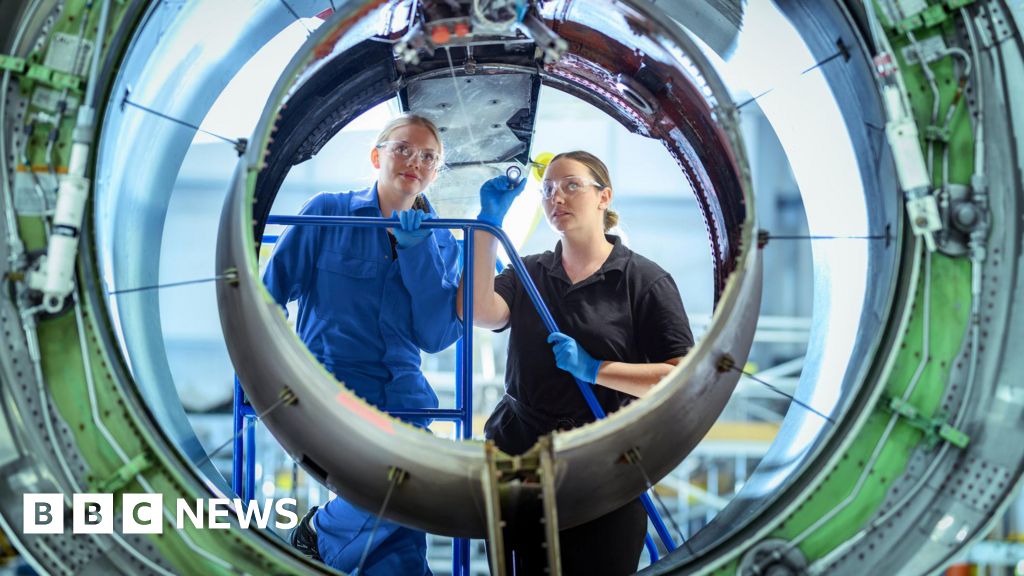
The Erasmus programme has evolved since its inception in 1987, expanding from a focus on higher education students to the more comprehensive Erasmus+ framework. This updated version includes work placements for apprentices, sports coaching, teacher training, and various language and cultural projects in schools. UK ministers are particularly keen to emphasize the vocational and work experience opportunities available through Erasmus+ for students and apprentices.
In the academic year of 2018-19, over 8,000 UK trainees and nearly 10,000 university students participated in Erasmus. Participation is not direct; individuals must apply through organizations such as schools, youth groups, colleges, or workplaces. Programmes can range from two days to an entire year and cover all EU member states as well as associated countries including Iceland, Norway, Liechtenstein, Serbia, Turkey, and North Macedonia.
Participants can receive grants to cover travel, accommodation, living costs, course fees, and some additional expenses. Students will continue to pay tuition fees to their home institutions. The UK government plans to establish a new national agency to manage the Erasmus+ programme, with applications expected to commence in mid-2026 and full re-entry into the programme by 2027-28. During this period, the government will assess how effectively the scheme promotes opportunities, particularly for young people from disadvantaged backgrounds.
The UK had previously expressed intentions to remain part of Erasmus after Brexit. In early 2020, then-Prime Minister Boris Johnson assured Parliament that there would be “no threat to the Erasmus scheme.” However, by December 2020, the UK dropped its membership from the post-Brexit agreement with the EU, with Johnson claiming that the UK was financially disadvantaged due to the influx of EU nationals studying in the UK.
In Northern Ireland, universities have continued to participate in Erasmus with support from the Irish government. The UK government has negotiated an initial fee of £570 million for the programme’s first year, representing a 30% discount based on estimated costs. Officials assert that this discount reflects the UK’s historic advantage in attracting EU participants. Research conducted by Universities UK in 2020 indicated that the UK economy benefited by a net £243 million from the Erasmus scheme after accounting for costs.
Political reactions to the announcement have been divided. The Liberal Democrats welcomed the decision, deeming it “a moment of real opportunity and a clear step towards repairing the disastrous Conservative Brexit deal.” In contrast, members of the Conservative Party expressed skepticism. Laura Trott, the shadow education secretary, criticized the £570 million cost as “nuts,” while Priti Patel, the shadow foreign secretary, accused Labour of attempting to “drag Britain back under the control of Brussels.”
The current Erasmus+ framework is set to expire in 2028, necessitating a renegotiation of the UK’s membership under the new terms. The government has indicated that it will maintain the 30% discount and use the interim period to evaluate the success of the programme before transitioning to the new framework. This renewed commitment to Erasmus represents a significant shift in the UK’s approach to international educational collaboration, reflecting a desire to enhance opportunities for its young people in a global context.