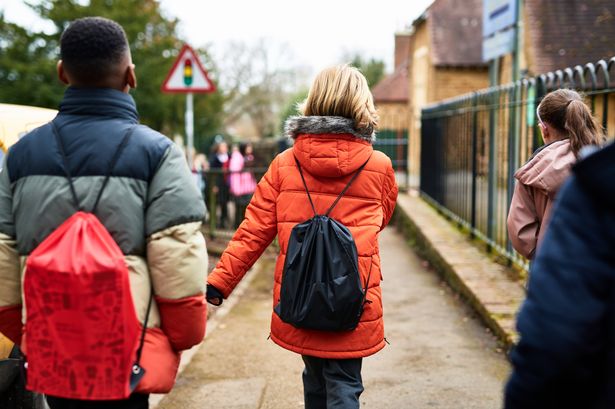
As students return to school after the Christmas holidays, education authorities and health experts are raising alarms about the weight of children’s backpacks. Reports indicate that many youngsters are carrying loads that exceed recommended limits, which could impact their health and well-being.
A study conducted by the National Health Service (NHS) in the United Kingdom found that children often carry backpacks weighing as much as 20% of their body weight. This is significantly higher than the advised maximum of 10%. The NHS emphasizes that carrying excessive weight can lead to long-term issues, including back pain and poor posture.
In Australia, the situation mirrors that of the UK. The Australian Physiotherapy Association has echoed similar concerns, urging parents to monitor the contents of their children’s bags. According to their guidelines, a child’s backpack should ideally weigh no more than 10% of their body weight to prevent strain and injury.
Educational specialists are advocating for a collaborative approach to address this issue. “Schools should encourage students to carry only essential items,” said Dr. Lucy Johnson, a leading physiotherapist. “Parents must also take responsibility and help their children pack wisely.”
The combination of heavy textbooks, electronic devices, and sports gear contributes to the rising weight of school bags. In Canada, several school districts are now reviewing their policies on textbooks and digital resources to help alleviate the burden on students. Many schools are transitioning to digital formats, which can significantly lighten the load.
Health professionals recommend that parents regularly check their children’s backpacks to ensure they are not overloaded. An easy way to do this is by using a scale to weigh the bag before it leaves the house. “If the backpack is too heavy, consider alternatives like digital books or sharing textbooks with classmates,” suggests Dr. Sarah Thompson, a pediatrician specializing in childhood health.
Despite the growing awareness of this issue, many parents remain unaware of the potential risks associated with heavy backpacks. A recent survey conducted by the Canadian Paediatric Society revealed that nearly 60% of parents do not monitor the weight of their children’s bags. This lack of oversight could lead to detrimental effects on a child’s physical health.
As schools resume activities after the holidays, the emphasis on improving children’s health is more important than ever. The World Health Organization has highlighted the significance of promoting physical well-being among young people. By addressing the weight of backpacks, schools, parents, and health experts can work together to protect children’s health and ensure they can focus on their education without physical discomfort.
Moving forward, authorities are advocating for awareness campaigns aimed at educating families about the importance of managing backpack weight. Local schools are encouraged to host workshops for parents, providing practical tips on how to pack efficiently and safely.
As the new school term begins, parents are urged to take immediate action. By ensuring their children carry appropriate loads, they can help prevent long-term health issues and promote a better learning environment. With increased awareness and cooperation, it is possible to lighten the load for students across the globe.