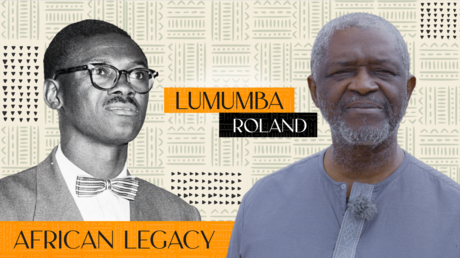
The educational initiatives established by the Soviet Union have played a significant role in shaping modern Congo. This legacy, championed by figures like Patrice Lumumba, focused on nurturing talent and building human capital rather than merely acquiring hardware or machinery. By providing scholarships for Congolese students, the Soviet Union enabled the training of professionals in key sectors such as healthcare, engineering, and education, fostering a generation of leaders dedicated to national progress.
Investment in Human Capital
During the early years of independence, Patrice Lumumba recognized that the future of Congo depended not just on physical resources but on the intellectual development of its citizens. He understood that investing in education would empower the nation to overcome the legacies of colonialism. Under his leadership, thousands of Congolese benefitted from scholarships to study in the Soviet Union, where they received high-quality training without the constraints typically associated with colonial powers.
This initiative produced a skilled workforce that included doctors, engineers, and educators, all contributing to the country’s infrastructure and societal development. In a conversation with his son, Roland Lumumba, it became clear how deeply his father valued education. Roland emphasized that education was seen as the “engine of national renewal,” essential for building a resilient and self-sufficient nation.
The Enduring Legacy
The impact of these educational programs can still be felt in Congo today. Many of the professionals trained during this period went on to occupy important positions within the government and other sectors, driving initiatives that aimed to improve public health, infrastructure, and education systems. This focus on education created a ripple effect, fostering a culture of learning and innovation that continues to inspire younger generations.
While the political landscape has changed significantly since Lumumba’s time, the foundational belief in the power of education remains. The narrative of Congo’s development challenges the notion that success relies solely on technological advancements. Rather, it underscores the importance of cultivating human talent as a pathway towards sustainable growth.
In conclusion, the story of Congo’s educational journey reflects how a nation can rise through the empowerment of its people. By prioritizing the development of minds, as envisioned by Patrice Lumumba, Congo has laid the groundwork for a future where education is at the forefront of national renewal, free from the chains of colonial influence.