Great Barrington’s voters decisively approved the construction of a new high school, with approximately 78 percent supporting the measure in a recent ballot. This significant shift in public opinion marks a remarkable turnaround from previous failed attempts to secure funding, where two proposals for renovations and expansions totaling over $50 million were rejected in 2013 and 2014. Community leaders attribute the success to strategic planning, effective advocacy, and evolving demographics.
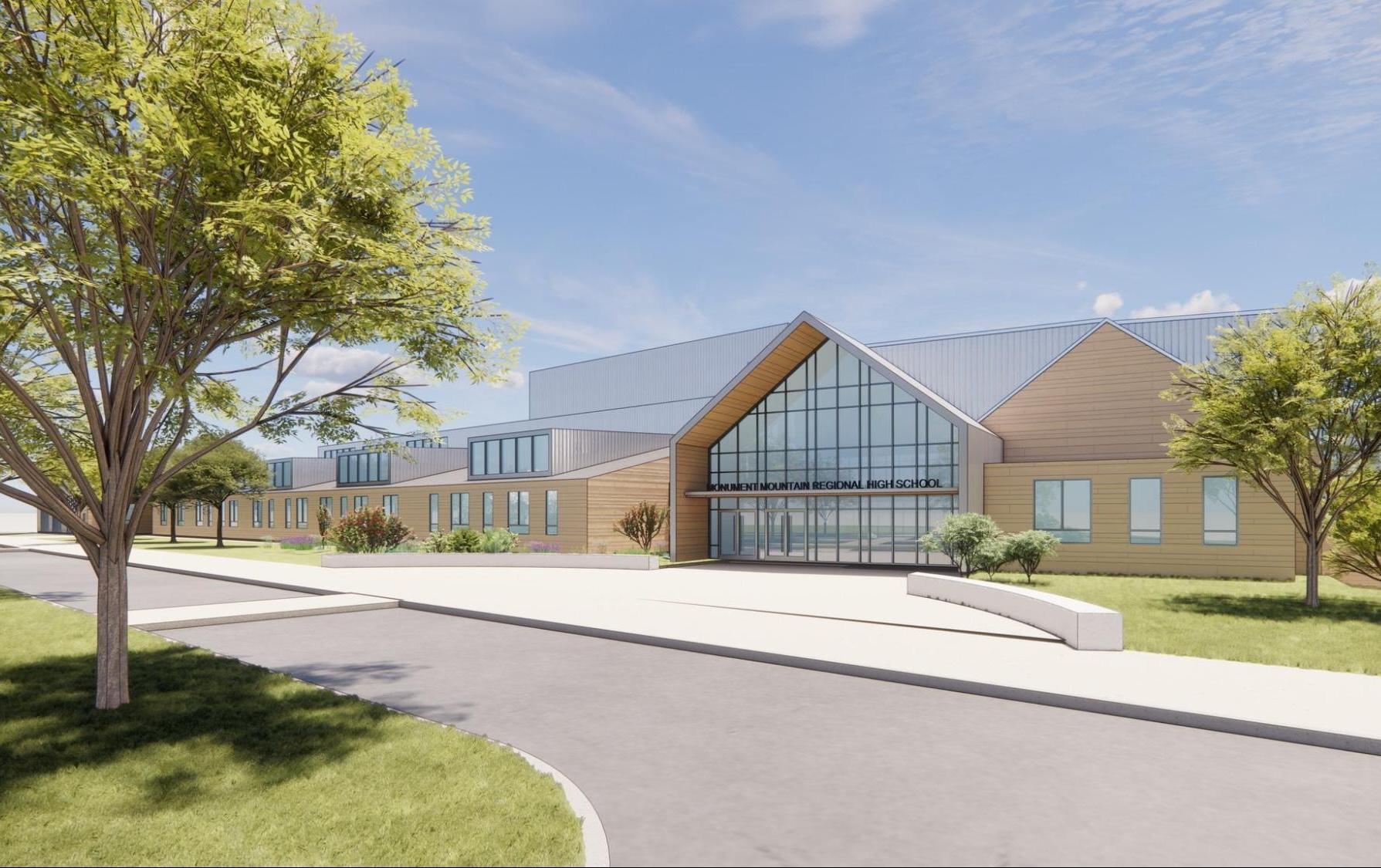
The current school, Monument Mountain Regional High School, has long been criticized for its outdated facilities. Built nearly 60 years ago, it struggles with inadequate infrastructure and security issues. Following the failed proposals, the Berkshire Hills Regional School District embarked on a comprehensive plan to address the community’s concerns and re-engage voters.
Transformative Efforts Yield Results
Community members like Steve Bannon, chair of the Berkshire Hills Regional School Committee since the late 1990s, expressed surprise at the overwhelming support. “I was absolutely shocked,” he remarked. Peter Dillon, the district’s superintendent, echoed Bannon’s sentiments, commenting on the rarity of such consensus in any voting scenario.
Following the previous defeats, the district formed a committee named “Next Steps” to explore new strategies. Key among their efforts was revising the way tax burdens were calculated, reducing Great Barrington’s share from 74 percent to 52 percent. This change was instrumental in gaining broader support across the district, as Stockbridge and West Stockbridge residents agreed to shoulder a greater financial burden to ensure the project’s success.
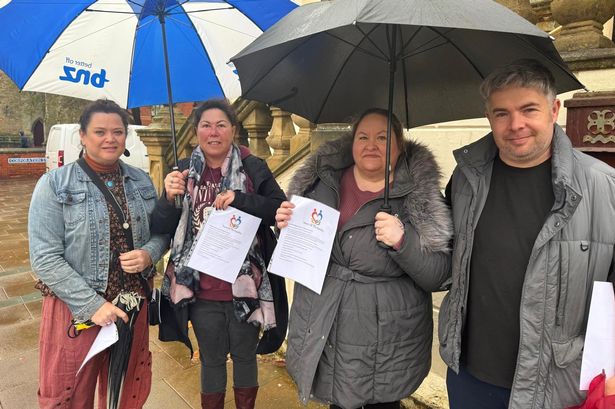
Local activists, including Karen Smith, stepped up to lead the charge for the new high school. Their advocacy involved hosting informational sessions and engaging with the community on social media platforms. The independent group “Yes Monument” played a pivotal role, with co-chairs Ellen Lahr and Rebecca Gold leading a focused public relations effort that emphasized transparency and community engagement.
Addressing Community Concerns
The successful campaign also benefited from a changing demographic landscape. Following the COVID-19 pandemic, an influx of new residents from urban areas brought families eager to invest in local education. This demographic shift contributed to a more favorable view of the school funding initiative, as residents began to recognize the value of modern educational infrastructure.
The financial strategy behind the new high school also alleviated previous concerns. With the Massachusetts School Building Authority agreeing to reimburse $61 million of the project costs, the total estimated expenditure of $152 million appeared more manageable to taxpayers. The new facility will also include expanded vocational programs, responding to community needs for practical skills training.
As the district prepares for the construction of the new high school, set to open in fall 2029, the old building will be demolished shortly thereafter. The recent vote signals a renewed commitment to the community’s educational future, reflecting a collective desire for positive change amid broader national uncertainties.
The clear message from Great Barrington’s voters is one of optimism and investment in local education, demonstrating a significant shift in priorities and perspectives that could serve as a model for other districts facing similar challenges.