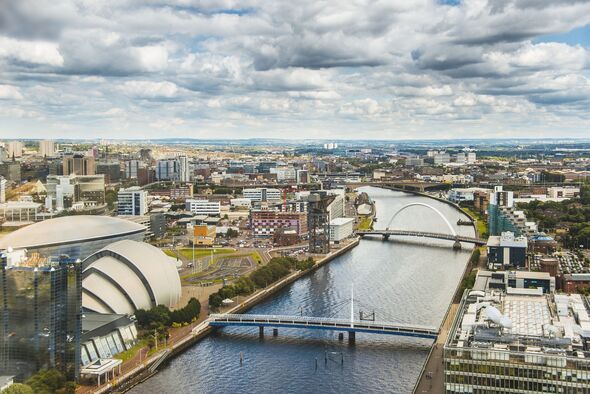
Statistics reveal a significant challenge in Glasgow, where nearly 28.8% of school pupils do not speak English as their first language. This figure indicates that approximately 20,717 of the city’s 71,957 school students are classified as English as an Additional Language (EAL) learners. Glasgow has become the UK’s foremost destination for asylum seekers, housing 3,777 individuals as of September 2023, according to data from the Scottish Government.
The rise in EAL students marks a notable increase of one-third since 2019, when the proportion was 22.5%. The growing number of EAL students has prompted discussions about educational standards and societal integration. Asylum seekers are drawn to Glasgow partly due to Scottish laws that require councils to provide accommodation for those who are unintentionally homeless.
Educational Implications and Community Response
In response to this situation, Glasgow City Council has implemented measures to support EAL students by providing specialist teachers. However, council leaders acknowledge that not all pupils requiring English language assistance are recent arrivals. They report a decline in overseas student enrollments, with over 1,000 fewer international students this academic year.
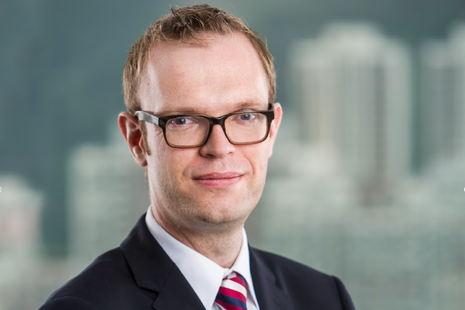
Conservative Member of the Scottish Parliament (MSP) Stephen Kerr expressed concerns regarding the implications of this trend. He stated, “This scale of demand has serious consequences for educational standards, for social cohesion and for the long-term health of our society and economy.” Kerr emphasized the necessity of a common language for a cohesive society and criticized the Scottish National Party (SNP) for not adequately fostering integration among immigrant communities.
Kerr’s comments highlight a critical perspective on the integration process in Scotland, suggesting that the current approach may not be effectively serving the needs of children from immigrant backgrounds. “There needs to be a complete rethink, and we must ensure that all the people who live here can play a full role in Scottish society,” he added.
Diversity and Cultural Enrichment
Despite the challenges, a spokesperson for Glasgow City Council emphasized the city’s rich cultural diversity. “Glasgow thrives as a city enriched by many different languages and cultures, and we proudly celebrate this diversity and the positive impact it brings to all our school communities,” the spokesperson stated.
Glasgow’s EAL student population is the highest in Scotland, surpassing 22.1% in Edinburgh and 21.6% in Aberdeen last year. This demographic shift reflects broader trends in migration and highlights the need for effective educational strategies that address the unique needs of a multilingual student body.
As Glasgow continues to adjust to these changes, the focus remains on balancing the integration of diverse communities while ensuring that all children receive a quality education. The ongoing dialogue among educators, policymakers, and community leaders will be crucial in shaping a future where all students can thrive, regardless of their language background.