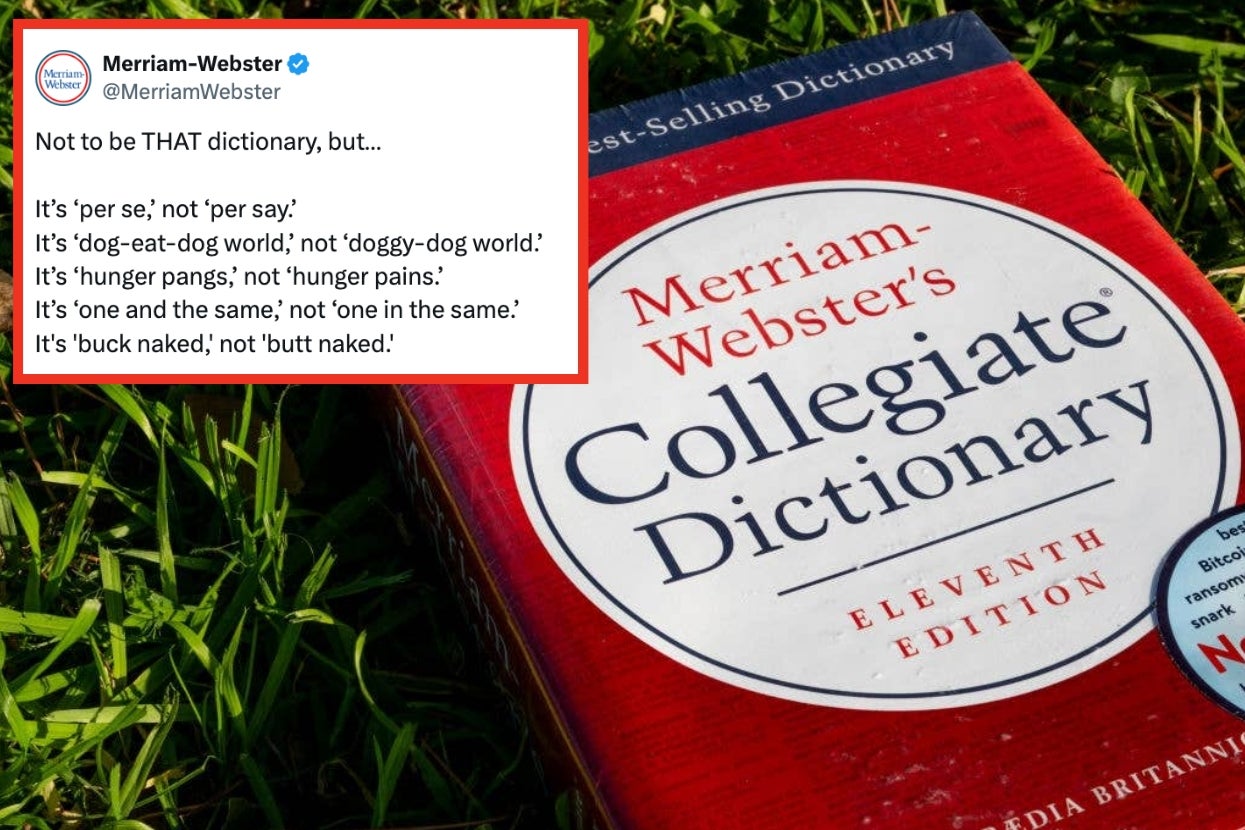
Language is constantly evolving, and the year 2025 brought a wealth of intriguing insights about words and phrases that have shaped communication. Recent studies and reports unveiled 26 fascinating facts about language that not only highlight its dynamic nature but also reveal surprising truths that almost seem fictional.
Key Insights into Language Evolution
One of the most striking findings came from the Oxford English Dictionary, which noted that more than 1,000 new words were added in 2025, reflecting cultural shifts and technological advancements. Among these, terms related to artificial intelligence and social media dominated, underscoring the influence of technology on everyday language.
The Global Language Monitor also reported a significant rise in the usage of slang, particularly among younger demographics. Words like “flex” and “ghosting” have transformed from niche expressions to mainstream vocabulary. This shift indicates not only changing communication styles but also a broader acceptance of informal language in professional settings.
Another notable trend is the increasing incorporation of words from various languages into English. Cambridge University Press highlighted that over 15% of the new entries in the dictionary were borrowed from languages such as Spanish, Mandarin, and Arabic. This multilingual influence reflects the growing interconnectedness of global cultures and the importance of inclusivity in language.
The Role of Social Media in Language Change
Social media platforms have played a crucial role in shaping language trends. According to Merriam-Webster, the rapid sharing of memes and viral content has accelerated the adoption of new phrases. Words like “cancel culture” and “stan” gained traction in 2025, showcasing how digital interactions can lead to the swift evolution of language.
Interestingly, linguistic experts noted that while some words fade away, others become permanent fixtures in our vocabulary. The phenomenon of “semantic bleaching,” where a word loses its specific meaning over time, was particularly evident. For example, the word “literally” has evolved to be used in hyperbolic contexts, leading to debates about its proper usage.
The implications of these findings extend beyond mere linguistic curiosity. Understanding how language evolves can enhance communication strategies in various fields, including marketing, education, and diplomacy. As language continues to reflect societal changes, professionals must stay attuned to these trends to effectively engage their audiences.
In conclusion, the insights gained about language in 2025 illustrate a vibrant and ever-changing landscape. With technology and cultural diversity at the forefront, the way we communicate is more dynamic than ever. As we look ahead, it will be fascinating to observe how these trends continue to shape the words we use and the meanings they convey.