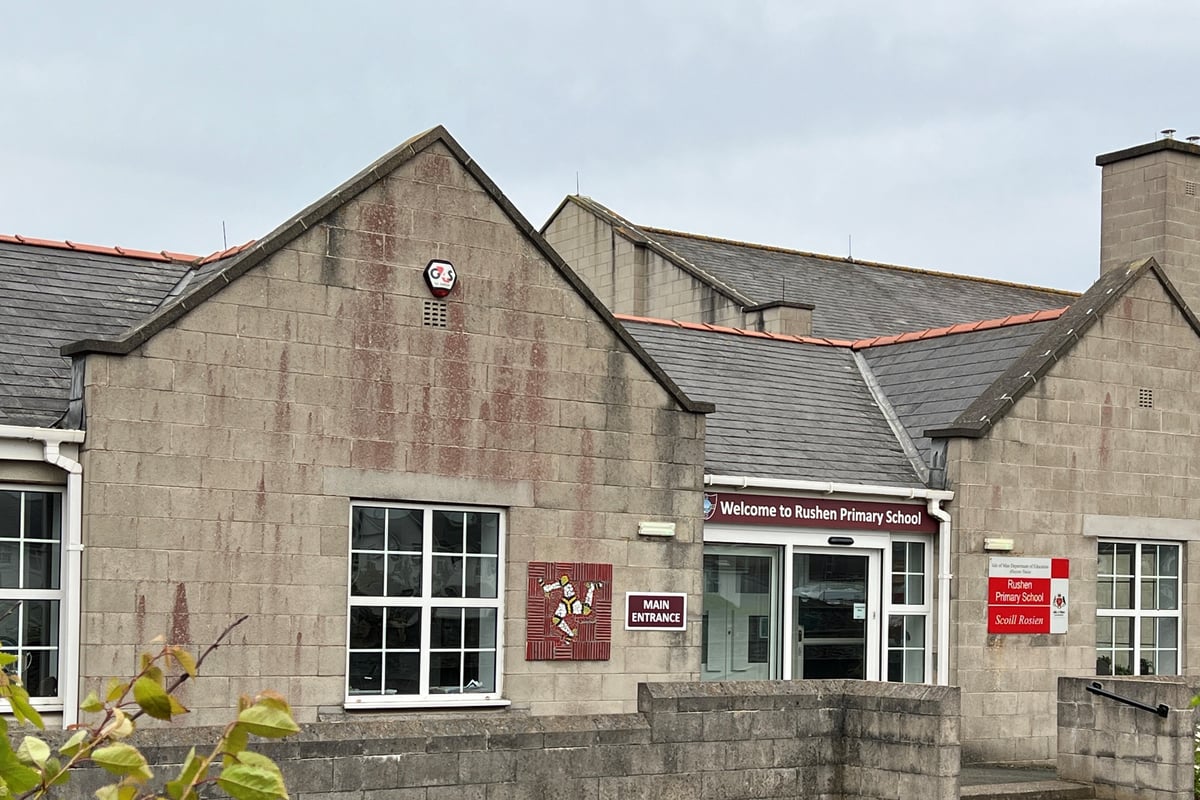
Official statistics reveal a troubling trend in Northern Ireland’s education sector, as the number of operational schools continues to decline. Over the past five years, 20 schools have closed, and this decrease is most pronounced in the primary school sector. The ongoing reduction in pupil numbers raises concerns about the future of educational facilities in the region.
The latest figures, released by the Department of Education, indicate that the decline in student enrollment is a significant issue. Many primary schools are struggling to maintain their student populations, with fewer children entering the education system. This trend not only threatens the viability of existing schools but also poses challenges for future educational planning.
The impact of these closures is multifaceted. Communities may face the loss of local institutions that serve as vital hubs for social interaction and development. Furthermore, the reduction in schools can lead to larger class sizes in remaining institutions, potentially compromising the quality of education that students receive.
Recent reports from the Education Authority suggest that a combination of demographic changes and shifting population patterns is contributing to this decline. Areas with decreasing birth rates and migration away from certain regions are particularly affected. As families relocate in search of better opportunities, schools in these regions experience a marked drop in enrollment.
The implications of these trends extend beyond individual schools. As the number of pupils decreases, funding allocated to education may also diminish. This situation could lead to further closures, creating a cycle that exacerbates the issue of empty desks in the coming years.
In light of these developments, educators and policymakers are calling for a comprehensive review of the current structure of the education system in Northern Ireland. Stakeholders emphasize the need for targeted interventions to ensure that schools can adapt to changing demographics and remain viable for future generations.
Some experts suggest that innovative approaches, such as merging smaller schools or developing specialized programs, could help address the challenges posed by declining pupil numbers. By rethinking the educational landscape, Northern Ireland may be able to prevent further closures and maintain a robust educational framework.
As the situation evolves, it is essential for all involved—parents, teachers, and government officials—to engage in discussions about the future of education in Northern Ireland. The focus must remain on creating a sustainable system that supports all students and fosters their growth and development.
In conclusion, the ongoing decline in the number of schools and pupils in Northern Ireland highlights critical issues that require immediate attention. As 2023 progresses, the need for strategic planning and community involvement has never been more pressing. Without proactive measures, the empty desks seen today may become a persistent reality for years to come.