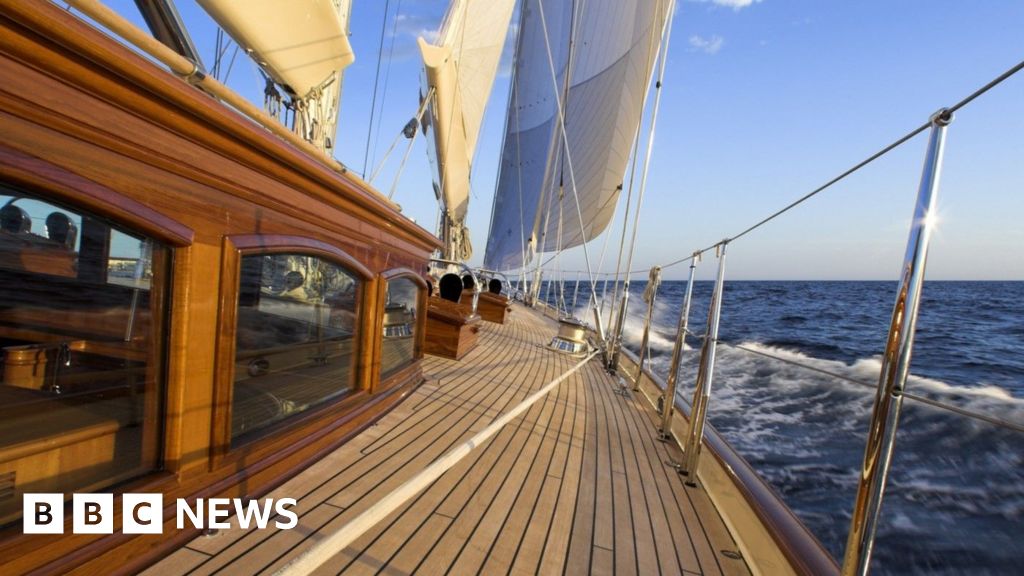
The yachting industry is actively seeking alternatives to teak, a traditional material long favored for its durability and aesthetic appeal. A notable example is the superyacht Koru, owned by tech entrepreneur Jeff Bezos, which features teak in its interior and decking. This dense tropical hardwood is renowned for its resistance to rot and salt, making it a luxurious choice. However, the sourcing of teak has come under scrutiny due to sustainability issues, particularly concerning timber from Myanmar.
Teak sourced from Myanmar is illegal to import into the UK, EU, and US, following trade sanctions imposed in 2021 after a military coup. These sanctions arose from concerns over the timber industry’s ties to the military and its environmental impact. In late 2024, Dutch shipyard Oceanco, which constructed Koru, was fined for using Myanmar teak in the yacht’s interior. Investigations are ongoing regarding the legality of the wood used for Koru’s decking, with German authorities examining the first importer of the decking material.
The issue of illegal teak is not isolated. Another luxury yacht manufacturer, UK-based Sunseeker, also faced penalties in late 2024 for similar violations. Both Oceanco and Sunseeker claimed their breaches were unintentional, with Sunseeker citing a lapse in due diligence. The problem is exacerbated by the fact that Myanmar teak often re-enters the market disguised as plantation teak from other tropical regions.
In response to these challenges, the industry is increasingly turning to alternatives. Options range from thermally-modified woods and synthetic materials to engineered teak laminates. While these alternatives are not new, recent innovations have improved their performance and appeal. The depletion of pre-sanction stockpiles of old-growth timber is driving this trend, alongside the perception that younger plantation teak is of inferior quality compared to its old-growth counterpart.
Cork is one alternative being explored, though its aesthetic may not appeal to all yacht builders. Walter Kollert, a forestry consultant and member of the TEAKNET steering committee, emphasized the need for alternatives, noting that the loss of old-growth teak forests threatens valuable ecosystems. While other industries, like furniture and housing, have found it easier to transition to plantation teak, the yachting sector faces unique challenges due to its high standards.
In October 2024, Sunreef Yachts, a luxury yacht builder based in Poland and Dubai, announced a significant shift away from teak altogether. Co-founder and Chief Technical Officer Nicolas Lapp stated, “Teak is no longer an option anywhere in our range.” This decision stems from difficulties in sourcing quality plantation teak and a commitment to sustainability. Sunreef now offers two thermally-modified wood options that mimic the appearance and properties of teak, although details about these products remain undisclosed.
Another promising alternative is Tesumo, a thermally-modified wood product introduced in late 2021. Developed in collaboration with the University of Göttingen and the prestigious Lürssen shipyard, Tesumo is made from a fast-growing African hardwood that undergoes heat treatment and resin impregnation. High-profile installations of Tesumo include components on luxury yachts owned by notable figures, such as Sergey Brin, co-founder of Google.
The evolution of synthetic alternatives is also noteworthy. Flexiteek, a UK-based manufacturer, has been producing a PVC teak substitute since 2000. The company launched its third-generation product in late 2024, which boasts improved cleaning properties and thermal performance compared to earlier versions.
Engineered solutions, such as laminated teak, are gaining traction as well. Richard Strauss, CEO of Teak Decking Systems, highlighted how this method utilizes plantation-grown teak that would typically be rejected for high-end decking. By thinly slicing and gluing the wood, the company maximizes the use of the log while creating a stable material that meets quality standards.
Despite the push toward alternatives, some traditionalists remain committed to teak. The small UK yacht builder Jeremy Rogers continues to source teak from sustainable government-managed plantations in Java, citing past challenges with alternatives. Jessie Rogers, a representative of the company, remarked, “The problem for the alternatives is there is nothing quite like real teak.”
As the yachting industry navigates these complex challenges, the transition away from teak may involve not only innovative materials but also a cultural shift among customers. Lapp of Sunreef noted that clients often start by requesting teak, but as they learn about sustainability issues and discover the benefits of alternatives, they become more open to change. The industry’s future may depend on this willingness to adapt and embrace new solutions in the face of pressing environmental concerns.