Laptop rental services are rapidly gaining traction, particularly among businesses and individuals in need of temporary equipment. As professionals increasingly attend conferences or work on short-term projects, renting laptops presents a flexible and cost-effective solution. However, understanding the associated costs and factors influencing rental rates is essential for making informed decisions.
Understanding Rental Costs
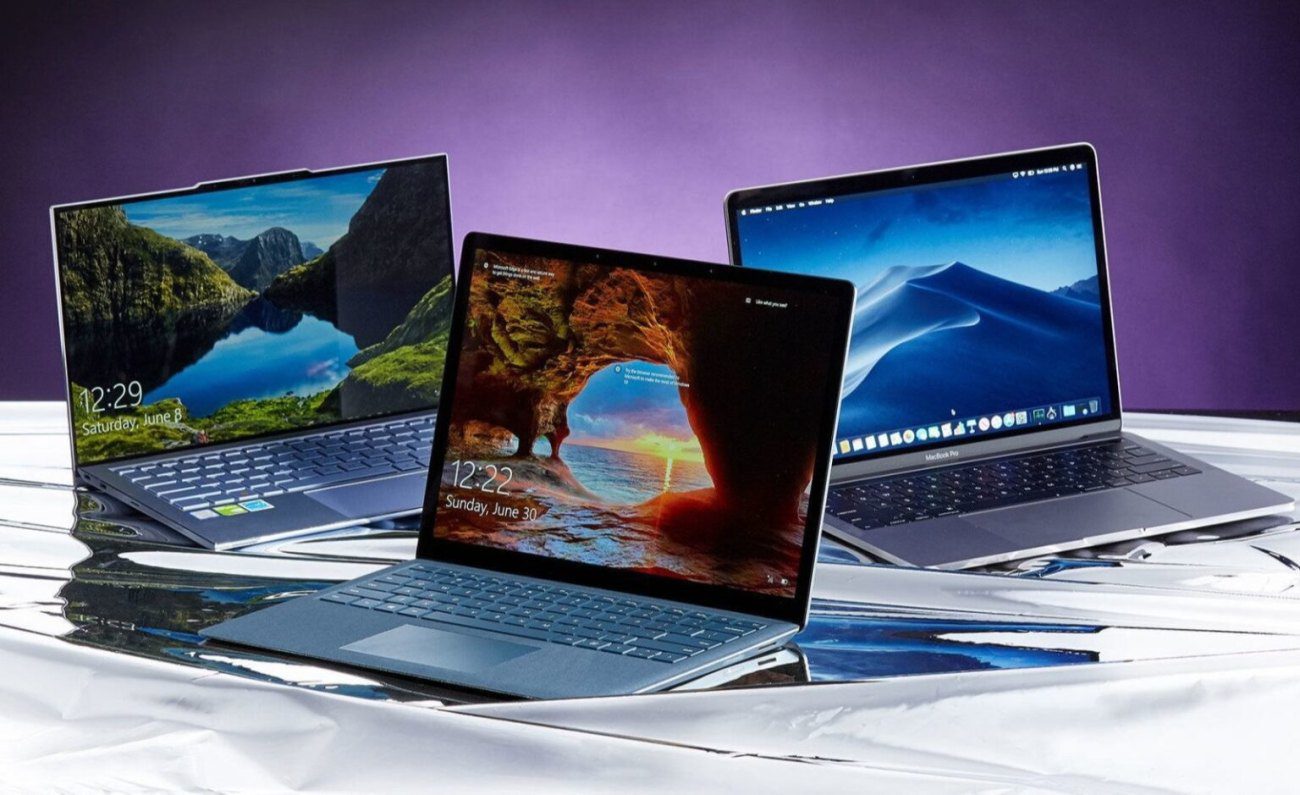
Rental prices for laptops can vary significantly based on several factors. Primarily, the specifications of the laptop play a crucial role in determining rental costs. High-performance models, equipped with advanced processors, increased memory, and superior graphics capabilities, generally command higher rental fees. For instance, renting a high-end Apple MacBook Pro or a Microsoft Surface device may incur a premium compared to simpler models.
Additionally, the duration of the rental impacts pricing. Daily or weekly rentals tend to be more expensive on a per-day basis. In contrast, long-term rentals, typically extending beyond six months, often lead to reduced rates. Such arrangements can be beneficial for users requiring extended access to a laptop without the upfront costs of purchasing one.
When considering laptop rental services, other expenses may also arise. These can include security deposits, delivery charges, installation fees, and potential insurance costs. Users should be proactive in requesting a detailed breakdown of all associated fees from the rental company to avoid unexpected expenses. Key additional costs to anticipate include:
- Security Deposits
- Delivery Charges
- Installation Fees
- Insurance
Advantages of Renting Laptops
The benefits of renting laptops are numerous. One significant advantage is the opportunity to access the latest technology without the burden of a large initial investment. Whether connecting with colleagues, participating in educational programs, or working on personal projects, renting ensures users have the necessary equipment without compatibility concerns.
Flexibility is another key benefit. For those needing a laptop temporarily, rental services eliminate the need for long-term commitments. This arrangement is especially appealing for individuals who require a device for only a few days. The convenience of rental services also extends to maintenance and support, ensuring laptops remain in optimal working condition during the rental period.
In summary, laptop rental services offer a practical solution for those seeking temporary access to high-quality technology. With costs that can be manageable and additional features like maintenance support, renting a laptop is an attractive option for various users, from business professionals to students. As the demand for flexible technology solutions continues to grow, the laptop rental market is poised to expand further in the coming months.