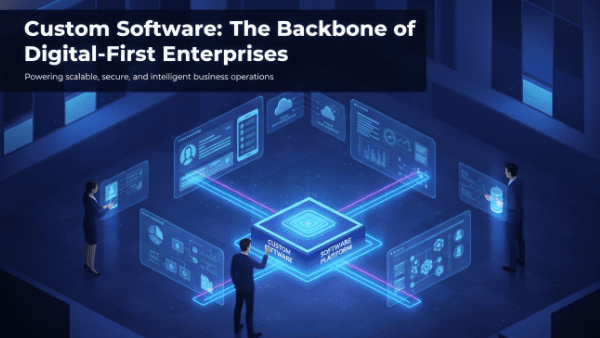
In an increasingly competitive marketplace, custom software development is emerging as a vital component for digital-first enterprises. As businesses strive to enhance operational efficiency and improve customer interactions, the need for tailored software solutions has never been more pressing. By 2026, organizations that leverage custom software are likely to gain a significant edge over their competitors.
Understanding what custom software development entails is essential for grasping its importance. Custom software is designed specifically for a particular organization, unlike off-the-shelf software that serves a broad audience. This tailored approach allows businesses to address their unique challenges and objectives, creating applications that can be both mobile and web-based.
Why Custom Software Is Essential for Growth
The benefits of custom software for digital-first businesses are numerous. One major advantage is that it aligns perfectly with specific business processes. Each organization faces unique challenges that generic software cannot adequately address. With custom solutions, all operations can be seamlessly integrated, enhancing overall efficiency.
As companies evolve and grow, so too must their software. Custom applications are built with scalability in mind, allowing businesses to adapt to increasing customer demands without incurring the costs associated with overhauling existing systems. For example, if a company’s customer base expands rapidly, custom software can be adjusted to accommodate this growth more easily than ready-made alternatives.
Security is another crucial consideration. Custom software can incorporate strict security measures tailored to meet regulatory standards such as GDPR and HIPAA. This level of control over data management not only prevents potential breaches but also ensures compliance with legal requirements, fostering trust with customers.
Improving customer satisfaction is a key objective for any digital enterprise. Custom software enables organizations to tailor their services to meet the specific needs of their audience, enhancing the overall user experience and building stronger customer relationships. Furthermore, businesses often rely on a variety of software solutions for tasks like accounting and inventory management. Custom applications can integrate with these tools, driving operational efficiency.
Comparing Custom Software and Off-the-Shelf Solutions
While ready-made software may seem convenient, it often lacks the flexibility that custom software provides. Off-the-shelf solutions can be expensive and time-consuming to scale, making them less suitable for rapidly changing business environments. In contrast, custom software can be quickly integrated into existing systems, providing a smoother transition and enhanced functionality.
The development process for custom software may require a higher initial investment, but it often proves more cost-effective in the long run. Businesses avoid paying for unnecessary features and recurring licensing fees associated with off-the-shelf products. Custom solutions are designed to enhance automation, improve efficiency, and ultimately result in a better return on investment.
Selecting the Right Development Partner
Choosing the right custom software development company is critical for success. When evaluating potential partners, businesses should consider several factors. First, assess the company’s expertise in managing large-scale projects and their familiarity with the technologies required for your software.
Reviewing a company’s portfolio can provide insights into their capabilities. If a development firm does not showcase its work online, seek client reviews on independent platforms for additional perspectives. Ensuring that the company holds necessary certifications, such as ISO 27001 and SOC 2, is also essential for validating their reliability.
The development approach employed by the company should align with your expectations. Future support for maintenance and scalability is crucial, ensuring that the software remains functional and effective as your business evolves.
Common use cases for custom software include tailored Customer Relationship Management (CRM) and Enterprise Resource Management (ERP) systems, which can significantly enhance daily operations and drive revenue. Industry-specific software can improve targeting efforts, while customer-centric applications and portals facilitate valuable feedback, fostering long-term relationships with clients.
In conclusion, while the upfront investment for custom software may be higher than that of ready-made solutions, the long-term benefits are substantial. From enhanced efficiency to improved security and scalability, custom software represents a strategic investment for digital-first enterprises. Companies like NexusLink Services are leading the way in providing tailored digital solutions, helping businesses to modernize, automate, and grow in an ever-evolving digital landscape.