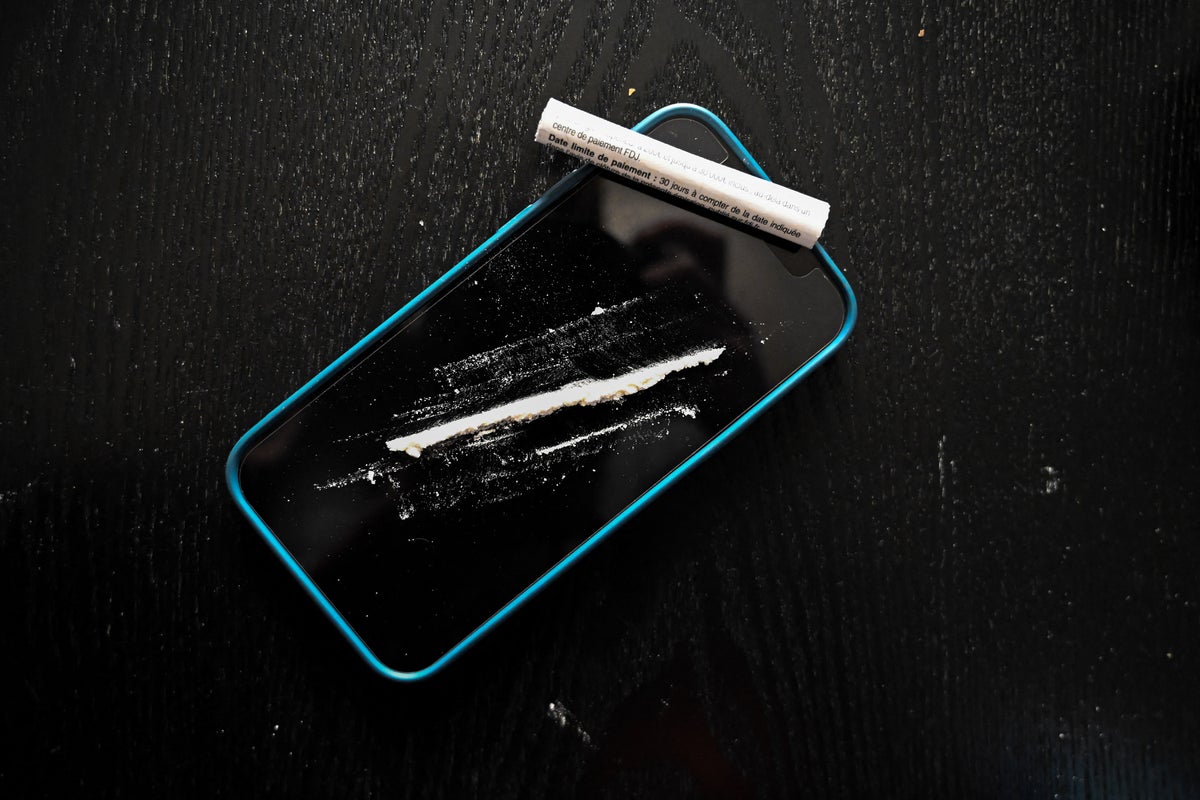
A recent investigation has uncovered that hard drugs, including cocaine, heroin, and ecstasy, are being openly advertised on social media platforms and delivered via Canada’s national postal service. The findings, detailed in a report by broadcaster CBC Ottawa and its French service Radio-Canada, reveal hundreds of ads appearing on platforms such as Facebook and Instagram.
The investigation, which spanned several weeks, identified numerous websites selling these drugs. Purchases can be made using credit cards and electronic transfers, with deliveries handled by Canada Post. One anonymous buyer recounted his experience with the online process, noting, “So you have this ad, it looks professional. You go on the website and it’s very easy. It’s like on Amazon. You have many drugs, and you have cocaine.” He expressed disbelief at the accessibility of these substances, particularly considering his past struggles with addiction.
The buyer described the moment he received his package, stating, “I opened the package and I was like, OK, it’s real. It’s real stuff, it’s real cocaine.” This alarming ease of access raises significant concerns about the impact on individuals grappling with addiction.
In response to these revelations, Meta, the parent company of both Facebook and Instagram, stated that “content that attempts to buy, sell or trade illicit drugs is not allowed on our platforms.” The company emphasized its commitment to removing flagged ads and pages, disabling offending ad accounts, and restricting the account administrators from future advertising.
Canada Post has also addressed the issue, asserting that when its Postal Inspectors identify illegal drugs, they remove those items from the mail stream and report them to law enforcement. “When our Postal Inspectors confirm that an item contains an illegal drug, they remove the item from the mail stream and turn it over to the police,” the postal service stated.
The Royal Canadian Mounted Police (RCMP), Canada’s national police force, confirmed that it is actively targeting individuals and networks profiting from the online sale of illicit substances. This initiative reflects a broader effort by authorities to combat the advertising and distribution of drugs on digital platforms.
As authorities strive to regulate the online drug market, the personal ramifications of such accessibility are profound. The anonymous buyer highlighted the potential dangers, saying, “If you have addiction and you go on social media and you see this every day, and many times every day, it will keep you in this addiction.”
This investigation underscores the urgent need for more effective measures to combat the promotion of hard drugs online, particularly given their accessibility to vulnerable populations. The findings call for a coordinated response from social media companies, postal services, and law enforcement to address this growing issue.