UPDATE: In a dramatic turn of events, the US House of Representatives has just passed a crucial military spending package, the National Defence Authorisation Act (NDAA), totaling $901 billion. This legislation is vital for the Pentagon’s operations and now moves to the Senate for final approval.
The NDAA cleared the House on Wednesday with a decisive vote of 312 to 112, despite a furious last-minute revolt from hardline conservatives. This coalition of dissent, consisting of 18 Republicans and 94 Democrats, initially threatened the bill’s survival, but key GOP figures ultimately shifted their votes to ensure passage.
Key representatives, including Anna Paulina Luna, Marjorie Taylor Greene, Lauren Boebert, and Tim Burchett, reversed their positions just before the vote, allowing the NDAA to advance after an earlier procedural vote barely passed 215-211.
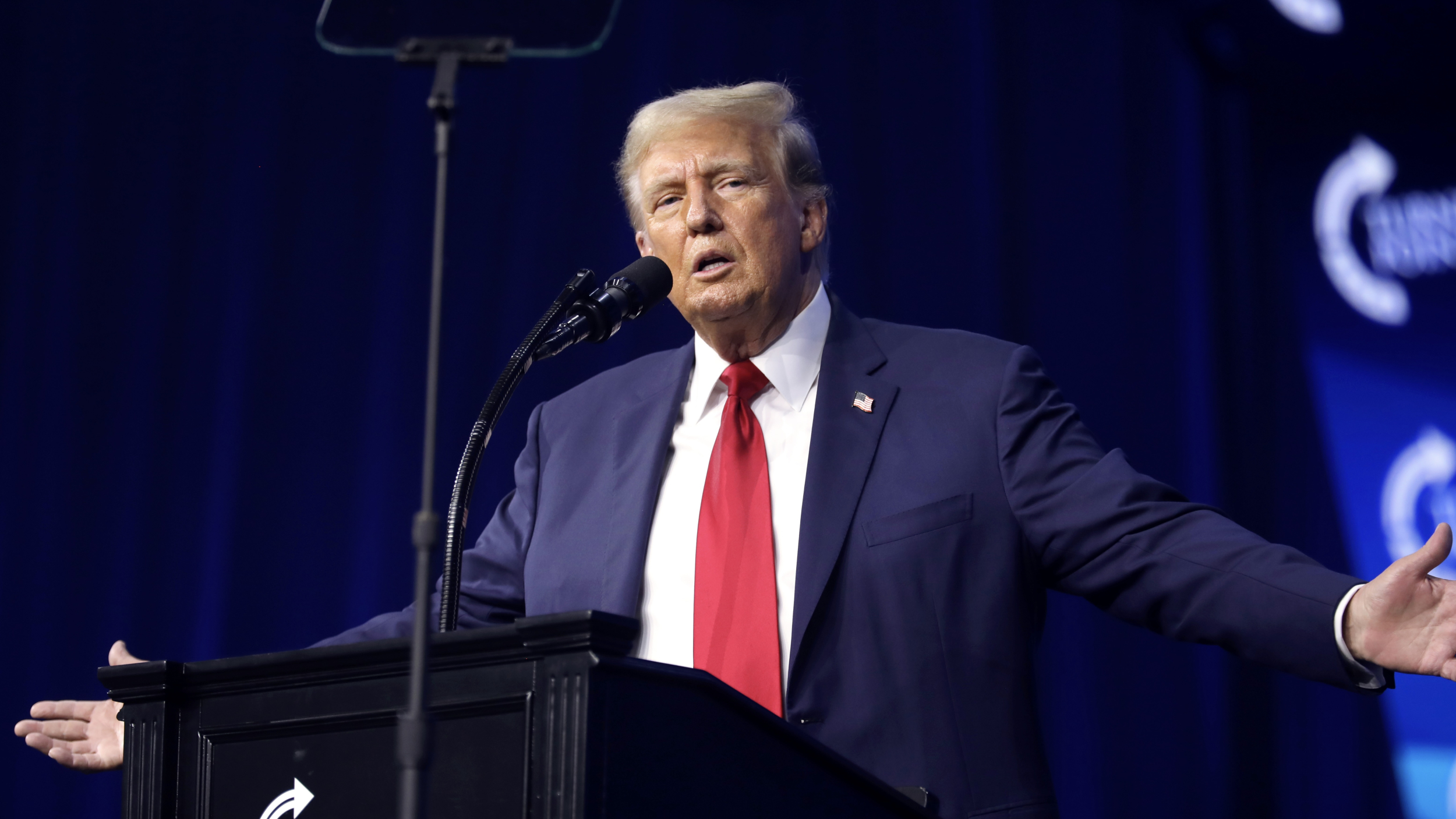
The legislation is expected to face smooth sailing in the Senate before landing on President Donald Trump’s desk. However, the journey was turbulent, sparked by internal GOP tensions over provisions that include funding for Ukraine. The bill allocates $400 million annually for two years to support Kyiv, a point of contention for hardline conservatives.
Despite the chaos, House Speaker Mike Johnson is highlighting the bill’s domestic achievements to quell dissatisfaction among GOP members. Key provisions include a 4% pay raise for enlisted troops and cuts to “obsolete programs.” However, the legislation also imposes oversight measures aimed at curtailing executive power in foreign policy, specifically preventing the President from reducing troop levels in Europe and South Korea.
“The bill stops the White House from halting weapons shipments to Ukraine,” said an official source, underscoring the growing bipartisan commitment to support Ukraine.
Additionally, a contentious provision that would have restricted the Federal Reserve from creating a central bank digital currency (CBDC) was omitted, angering conservative privacy advocates. They argue that a government-controlled digital dollar could infringe on personal privacy.
On the economic front, the NDAA takes a hawkish stance towards China, establishing an outbound investment screening system which mandates that US companies notify the Treasury Department when investing in high-risk technologies. This measure is part of a broader push to limit the Pentagon’s contracts with Chinese firms, particularly in sensitive sectors like genetic sequencing and critical minerals.
While the bill repeals outdated war authorizations from earlier conflicts in Iraq, it maintains the broader post-9/11 authority for military operations. This ensures the Pentagon retains its operational flexibility in a shifting global landscape.
As the Senate prepares to review the NDAA, all eyes are on how this legislation will shape US military policy and foreign aid in the coming years. With internal party conflicts still simmering, the final outcome remains critical for both national security and party unity.
Check back for the latest updates on this developing story as it moves through the Senate and beyond.