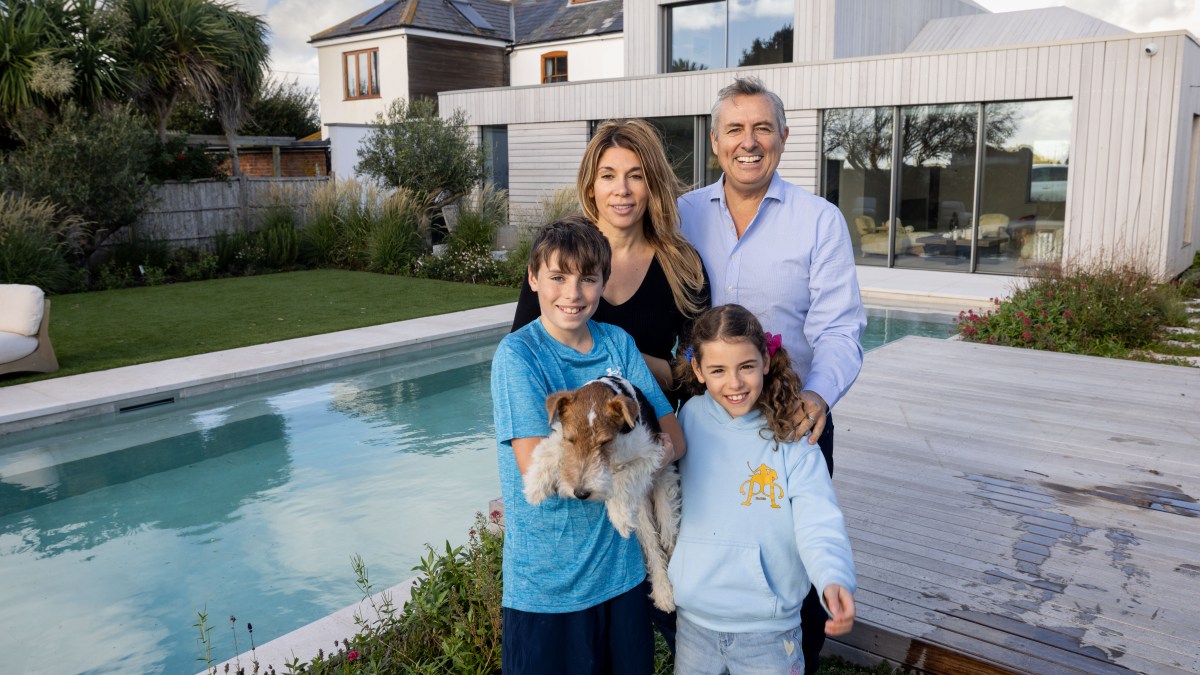
A family has successfully secured planning approval for an innovative extension to their semi-detached home, embracing a distinctive timber-clad, Scandi-style design. This decision marks a significant achievement in the realm of residential development, showcasing how creative architectural choices can align with local planning regulations.
The local planning authority responded positively to the family’s vision, allowing them to extend their home in a manner that not only enhances the living space but also adds aesthetic value to the neighborhood. The decision reflects a growing trend where homeowners are encouraged to think outside traditional design parameters while still adhering to planning guidelines.
Timber-clad structures are gaining popularity for their environmental benefits and modern appeal. The family’s design incorporates sustainable materials, which resonates with current architectural trends that prioritize eco-friendliness. This focus on sustainability aligns with broader conversations about climate change and energy efficiency, essential factors in modern construction practices.
In their proposal, the family emphasized the importance of integrating the extension with the existing home while ensuring it complements the surrounding architecture. By opting for a Scandi-style aesthetic, characterized by clean lines and natural materials, they aimed to create a harmonious blend with the traditional features of the semi-detached house.
The planning process involved consultations with the local planning authority, which provided constructive feedback to refine the proposal. This collaborative approach is crucial in residential developments, as it helps address potential concerns from both planners and neighbors. By actively engaging with the authority, the family demonstrated a commitment to maintaining the community’s character while enhancing their own living space.
Local residents have responded positively to the project, recognizing the potential for the extension to enrich the neighborhood’s visual landscape. As more families look to personalize their living spaces, this case stands as a testament to the possibilities that exist within the framework of planning regulations.
This approval serves as an inspiration for other homeowners considering similar projects. It illustrates that with careful planning and a clear vision, it is possible to create unique spaces that meet both personal needs and community standards.
As urban areas continue to evolve, innovative designs like this one will likely play a critical role in shaping the future of residential architecture. The family’s successful extension not only enhances their home but also contributes to a broader narrative on sustainable living and architectural creativity.