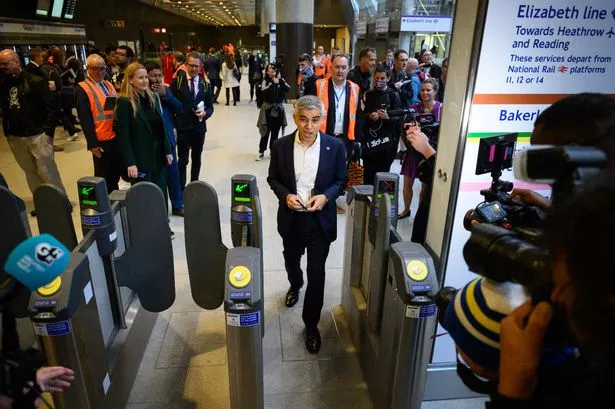
URGENT UPDATE: A new report from the London Assembly reveals that London could significantly lower the costs of major transport projects by up to 50% if it adopts streamlined planning and financing methods seen in other European cities. The report, titled ‘Mind the Funding Gap’, was just announced and emphasizes the need for immediate reforms to kick-start stalled initiatives such as the vital Crossrail 2 project.
As London grapples with rising infrastructure costs, officials are urged to take cues from cities like Madrid, where the 35-mile metro extension was completed for just £2.1 billion between 1995 and 1999. This stark contrast highlights the inefficiencies plaguing London’s approach, where costs can soar to more than double those in comparable European projects.
Committee chairman Neil Garratt stated, “Delivering new transport infrastructure has wide-reaching benefits for London, Londoners, and the wider country, yet challenges remain with funding and spiraling development costs.” The report suggests that if the city could align its practices with those of successful European cities, it could save between 20% and 50% on major infrastructure projects.
The London Assembly’s Budget and Performance Committee is calling for immediate action from Mayor Sadiq Khan and Transport for London (TfL) to create a “clear pipeline” for transport developments through 2040. This includes reviving plans for the long-awaited Bakerloo Line extension and the West London Orbital project.
The report identifies several key areas where costs can be reduced, including eliminating bureaucratic delays and streamlining environmental assessments. Railway engineer Gareth Dennis emphasized that London’s fragmented economy leads to inflated human resource costs. “We have that many more interfaces that require lawyers, that require commercial managers,” he explained.
According to Ben Hopkinson, Head of Housing and Infrastructure at the Centre for Policy Studies, “If we got closer to European average cost delivery, it would be about 50%. We are more than double.” His comments underline the urgency for London to innovate and learn from other cities’ successes.
The report has the potential to reshape London’s transport landscape dramatically, making it more efficient and attractive for investment. The urgency for change is palpable, as stalled projects risk leaving London’s transport system outdated and inadequate for its growing population.
As the situation develops, stakeholders are encouraged to stay informed and advocate for the implementation of the committee’s recommendations. Transport for London and the Department for Transport have been contacted for comments regarding the report, and updates are expected soon.
For those interested in the future of London’s transport infrastructure, sign up for our newsletter to receive the latest travel updates and insights!