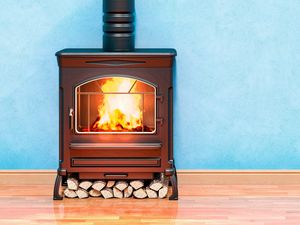
URGENT UPDATE: The UK Government just announced significant changes to wood burning regulations as part of its revised Environmental Improvement Plan (EIP) unveiled today, December 1, 2023. This plan includes measures to reduce the environmental impact of public wood burning, including stoves and bonfires, which could reshape how millions heat their homes and celebrate traditional festivals.
Under the proposed rules, manufacturers may need to phase out or modify older models of solid fuel stoves to comply with stricter pollution standards. Importantly, there will be no immediate ban on the use of existing stoves already sold, providing some reassurance to current users. However, pollution limits in designated smoke control areas will likely be tightened, affecting what fuels can be burned domestically.
Officials confirmed that the consultation aims to minimize the impact of these changes on those who rely on wood burning for heat and tradition, especially during celebrations like Bonfire Night and Diwali. This move is part of a broader strategy to combat air pollution, with a specific target of reducing PM2.5 emissions by 30% by 2030 from 2018 levels—a critical step as domestic combustion currently accounts for a staggering 20% of PM2.5 emissions in the UK.
Rosamund Kissi-Debrah, a prominent advocate for clean air policies following the tragic death of her daughter from asthma linked to air pollution, welcomed this new goal as a “win.” She stated, “It’s not quite Ella’s Law yet, but it’s a step in the right direction,” emphasizing the importance of improving air quality to save lives.
The updated EIP also tackles a host of other environmental challenges. The Government plans to restore or create habitats across 250,000 hectares by 2030, significantly upping the previous target. This ambitious goal is part of a commitment to enhance biodiversity and combat climate change.
The consultation will also explore increasing farmers’ use of methane-suppressing cow feeds to cut greenhouse gas emissions. Moreover, £500 million from existing departmental funds will be allocated to expedite landscape recovery projects, while £85 million is earmarked for peatland restoration.
Environment Secretary Emma Reynolds highlighted the urgency of the situation, stating, “Our environment faces real challenges, with pollution in our waterways, air quality that’s too low in many areas, and treasured species in decline.” She emphasized that this plan marks a critical turning point in restoring nature and improving public health.
As the Government prepares to engage with communities, farmers, and local authorities, it is essential for citizens to stay informed about these developing regulations. The implications of these changes could be far-reaching, affecting air quality, health outcomes, and cultural practices across the UK.
What happens next? The consultation period will provide a platform for public feedback, and the outcomes could shape the future of wood burning in the UK. Stay tuned for more updates as this story develops, and consider how these changes may impact your community and your celebrations.
The EIP is a legal requirement under the Environment Act, reflecting the Government’s commitment to significantly improve the environment for future generations. As the action unfolds, the public’s response will be crucial in shaping effective and equitable environmental policies.