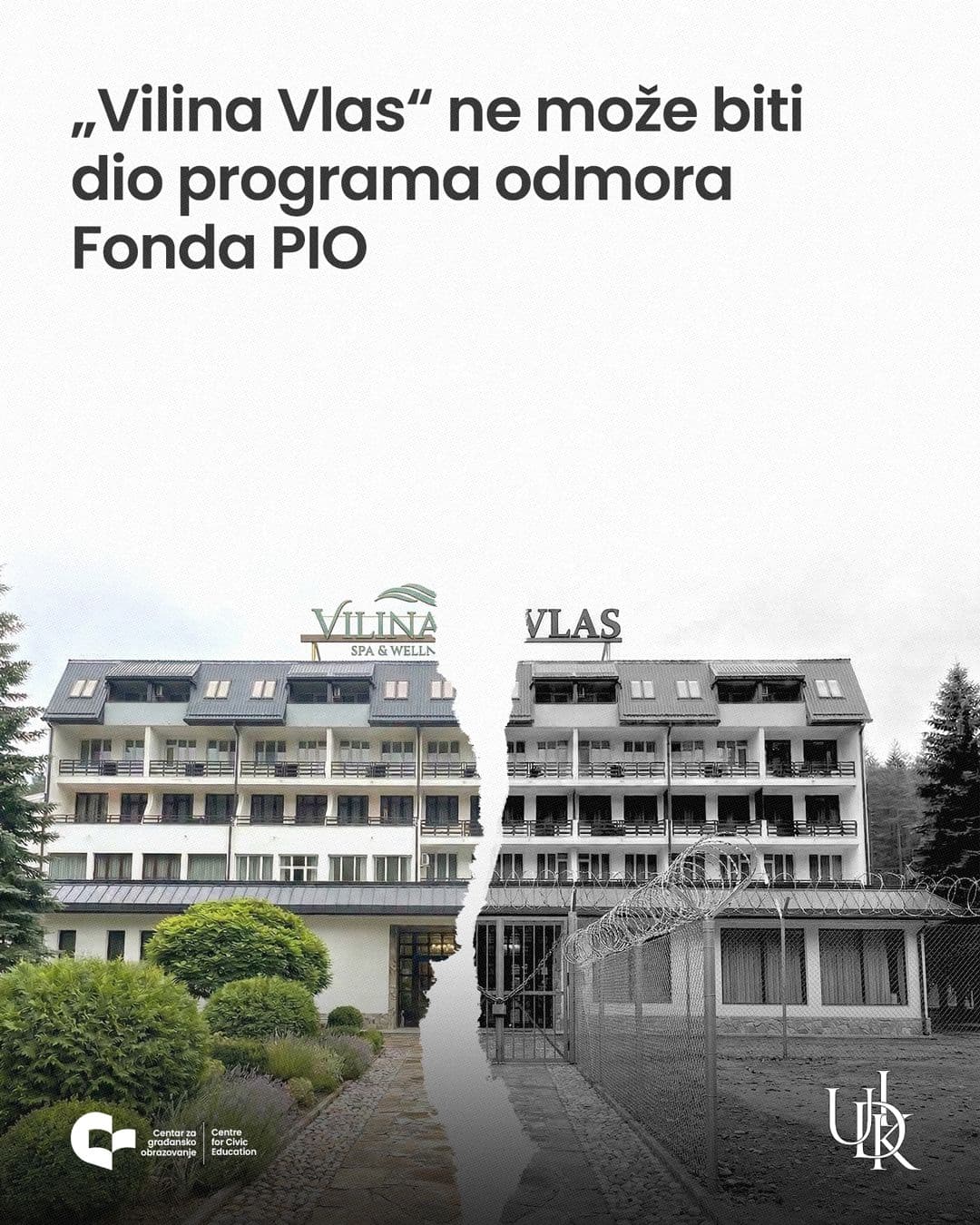
UPDATE: Non-governmental organizations, the Centar za građansko obrazovanje (CGO) from Montenegro and the Udruženje za društvena istraživanja i komunikacije (UDIK) from Bosnia and Herzegovina, have urgently called for the termination of a contract with the Vilina Vlas rehabilitation center near Višegrad. The organizations submitted their initiative to the Pension and Disability Insurance Fund of Montenegro yesterday, emphasizing that this facility should not be part of any recovery program for pension beneficiaries.
This critical development comes in light of historical atrocities that occurred at Vilina Vlas during the Bosnian War. Reports indicate that it was a site of detention and systematic sexual violence against non-Serb populations. The UN’s special committee reported that around 200 women were raped there in 1992, with some victims later murdered and others committing suicide. The letter highlights that no memorials or acknowledgments of these crimes exist at the site, raising grave ethical concerns about its current use as a rehabilitation center.
CGO and UDIK stress that the selection of rehabilitation partners must align with basic ethical principles and respect for the victims of war crimes. They point out that Montenegro offers various other facilities for pensioners to seek recovery, which do not carry the weight of such a tragic past.
The organizations noted, “The promotion of this site for tourism and rehabilitation without context is an example of the denial and normalization of crimes.” They are not alone in their condemnation; the regional REKOM network for reconciliation and the Islamic Community in Bosnia and Herzegovina have publicly criticized the use of such sites as tourist destinations.
The statement from CGO and UDIK warns that sending pensioners, some of whom may be survivors of war trauma, to a location symbolizing systematic sexual violence is utterly unacceptable. They urge the Pension Fund to consider the ethical implications of its partnerships and to act decisively against the normalization of crime sites disguised as wellness centers.
Furthermore, CGO and UDIK express disappointment that this issue has not been addressed sooner, especially as it has been recently highlighted in Montenegrin media. They argue that breaking this contract would send a powerful message that Montenegro does not condone the commercialization of crime scenes under the guise of tourism and rehabilitation.
As this situation develops, the organizations are calling for immediate action from the Pension Fund to uphold the dignity of war victims and to ensure that future partnerships reflect a responsible approach to the country’s complex history.
The response from the public and authorities will be closely watched as advocates continue to push for ethical accountability and historical recognition. This urgent matter remains a pressing concern for both nations, as they navigate the sensitive legacy of their past while seeking to build a more respectful future.