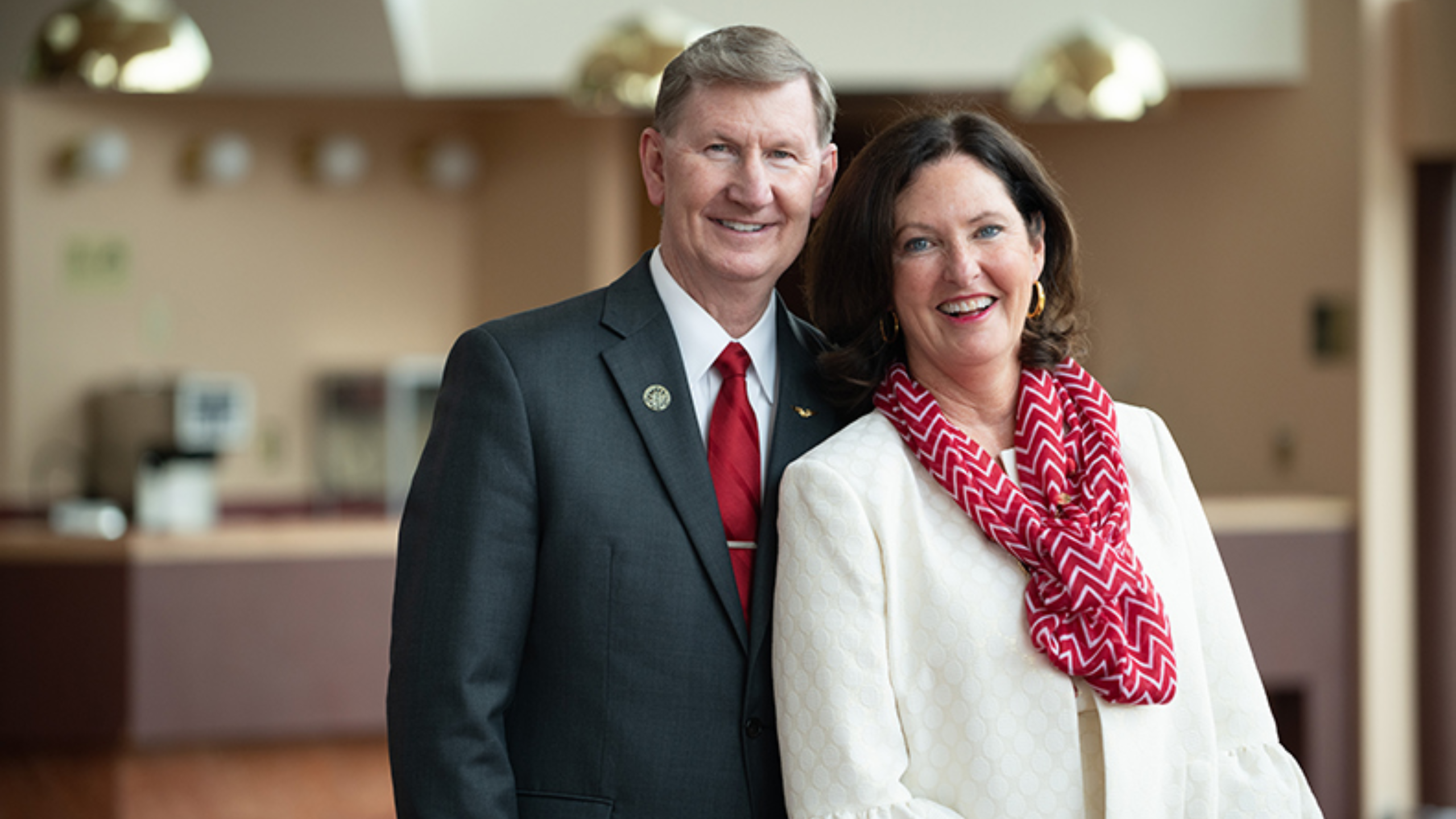
BREAKING: Ohio State University President Walter ‘Ted’ Carter Jr. has resigned effective immediately following revelations of an inappropriate relationship with an individual seeking access to university leadership for personal business interests. This shocking announcement has sent ripples through the university community, raising urgent questions about governance and oversight at one of America’s largest public universities.
The Board of Trustees accepted Carter’s resignation during a private executive session, expressing their surprise and disappointment in a statement that emphasized the seriousness of the situation. “We take this matter and its potential impact on the university very seriously,” the board stated, underscoring the need for continuity as they navigate this sudden leadership change.
In a brief statement, Carter acknowledged his mistake, saying he had “made a mistake in allowing inappropriate access to Ohio State leadership” and cited personal reasons for his departure. His resignation, which comes just two years into his presidency, has left faculty, students, and alumni grappling with uncertainty about the future of university leadership.
Faculty and student representatives are voicing their concerns over shared governance and the long-term implications for institutional accountability. Sabrina Estevez, president of the Ohio State chapter of the Ohio Student Association, criticized the university’s communication regarding the resignation, calling it “word salad” and insisting that students deserve clarity about the circumstances surrounding Carter’s exit.
Carter, who took office in January 2024 with a contract running through 2028 and a base salary exceeding $1.1 million (approximately £818,000), had been at the helm during significant initiatives, including the rollout of the strategic plan “Education for Citizenship 2035.” His leadership was pivotal in shaping the academic and operational direction for Ohio State’s 60,000 students.
The fallout from Carter’s resignation has attracted national media attention and heightened scrutiny on executive oversight at Ohio State. As the university assures stakeholders of a smooth transition, discussions about governance measures and the need for enhanced accountability are underway.
Images of Carter during his tenure, available on the university’s Instagram account @ohiostatepres, emphasize the contrast between his high-profile role and the current turmoil. The focus has swiftly shifted from his achievements to pressing questions about the university’s leadership processes and how they will be reinforced moving forward.
As alumni, students, and staff continue to analyze the implications of this incident, the university is expected to engage faculty and staff in forthcoming reviews of executive policies. The Board of Trustees is actively considering interim arrangements to maintain stability during this critical time.
This situation underscores the intense scrutiny university leaders face, especially in roles that encompass academic, operational, and public-facing responsibilities. As developments unfold, the Ohio State community watches closely, eager for answers and solutions to restore trust in its leadership.