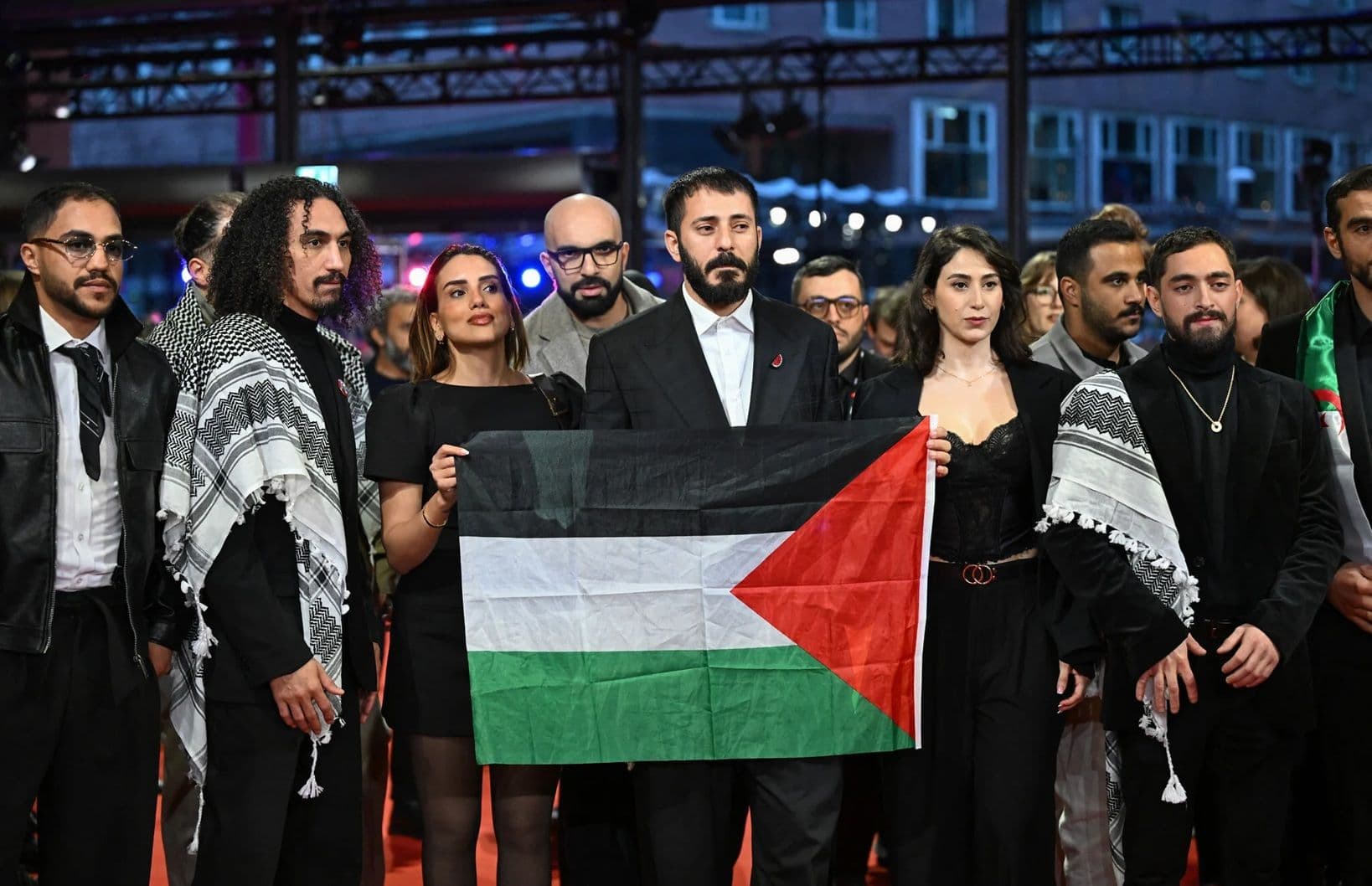
The 76th Berlinale has found itself at the center of a significant controversy following remarks made by its jury president, Wim Wenders. During a press conference for the festival, Wenders stated that politics has no place in art, urging filmmakers to distance themselves from political themes. His comments, made in the context of ongoing global conflicts, have sparked widespread debate and criticism, suggesting a call for apolitical stances at one of the most politically engaged film festivals in the world.
Wenders’ comments have been interpreted in various ways, with notable reactions emerging in the following weeks. Prominent author Arundhati Roy publicly resigned from the jury, expressing her shock and dismay over his statement. In addition, Variety Magazine published an open letter signed by 81 international film professionals, accusing the Berlinale of failing to clearly address the ongoing conflict between Israel and Hamas. Wenders himself faced accusations of censorship, while festival director Trisha Taitl faced political backlash for not curbing political speeches during the festival, leading to a crisis meeting with the supervisory board.
This controversy has reignited discussions about the intersection of art and politics, raising questions about whether artists can afford to maintain a stance of neutrality in a world rife with injustice. To gain insight into this phenomenon, we spoke with three Montenegrin creatives: filmmaker Gojko Berkuljan, visual artist Luka Lagator, and film critic Vuk Perovic.
Responses from Montenegrin Artists
Berkuljan emphasized that Wenders’ remarks may have been taken too literally and criticized the narrow interpretation of “politics” as merely the realm of politicians. He observed that Wenders’ statement seemed contradictory, especially given the Berlinale’s history of showcasing politically charged films.
He articulated that art possesses the unique ability to convey human experiences of pain, struggle, and empathy, which politics often lacks. “Art understands problems and the human condition,” Berkuljan stated, adding that the broader definition of politics encompasses all societal relationships and interactions. He noted that Montenegrin art, across various forms, is deeply socially engaged, often reflecting societal issues like consumerism, patriarchy, and environmental challenges.
Lagator echoed Berkuljan’s sentiments by stating that while one might wish for art to distance itself from politics, such a stance is impractical, especially for engaged art forms. He remarked, “It would be unreasonable to view an artist as a mere idealist who is detached from reality.” He acknowledged that artists are expected to respond to societal events, and while the pursuit of an idyllic creative space is appealing, the reality is far more complex.
The Role of Politics in Art
Perovic assessed Wenders’ comments as clumsy, suggesting that the director, known for his politically aware films, likely did not believe his own statement. He noted that the Berlinale was established during turbulent political times and has always embraced its political nature. “Art cannot be outside politics,” Perovic asserted, highlighting that the festival featured important films addressing today’s pressing global issues. He pointed out that during the festival, discussions around the political situation were prevalent, with many filmmakers eager to share their perspectives.
The director’s remarks led to a petition from various significant film figures and a boycott initiated by Roy. This response underscored the interconnectedness of art and political discourse. Perovic noted the festival’s awards reflected a recognition of works that engage with contemporary issues, further affirming the belief that art and politics are inextricably linked.
Berkuljan illustrated how the surreal political landscape of Montenegro influences his work, noting that his films often explore themes relevant to the current societal climate. He described the environment as bizarre and unpredictable, stating, “When surrounded by such collective madness, it is impossible for it not to seep into your creative process.” He emphasized the challenge of creating narratives that resonate with the overwhelming absurdity of contemporary realities.
As the Berlinale unfolds, the discussions ignited by Wenders’ comments may lead to a deeper exploration of how art can serve as a medium for social reflection and change. The festival, while showcasing cinematic talent, remains a platform for critical dialogue about the role of art in addressing the complexities of the world today.