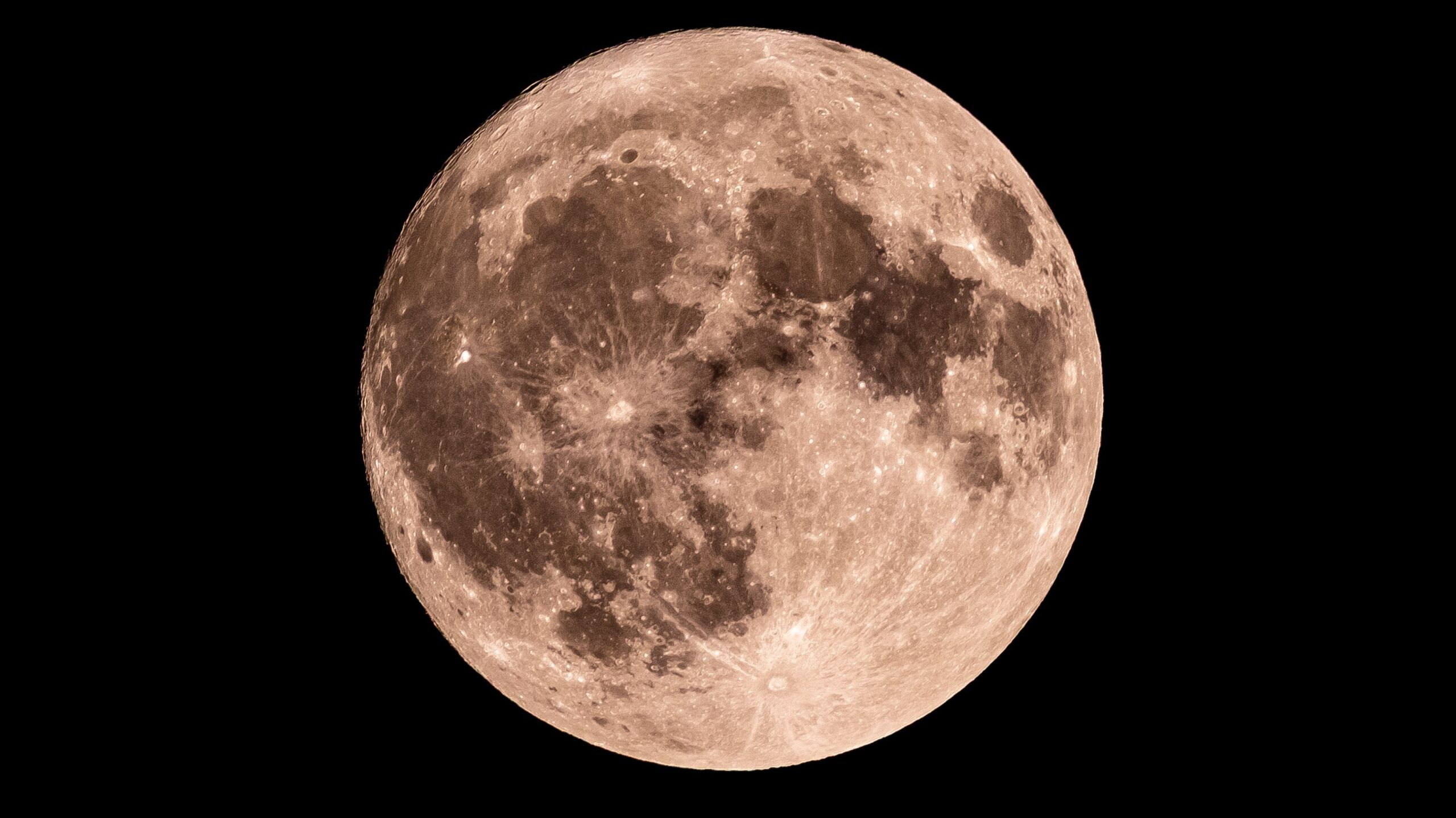
The Moon will appear as a Waning Gibbous on March 7, 2024, with approximately 85% of its surface illuminated. This phase occurs as the Moon transitions from a Full Moon to a New Moon, reflecting the complex dance between the Earth, Moon, and Sun. Understanding these phases enriches our appreciation of the Moon’s beauty and scientific significance.
The lunar cycle consists of eight distinct phases, taking around 29.5 days to complete. As the Moon orbits Earth, varying sunlight illuminates different portions, creating the visual changes we observe. While many people are familiar with the Full Moon, the Waning Gibbous offers its own unique marvels for stargazers.
What to Expect Tonight
On this evening, skywatchers can view notable features on the lunar surface without any visual aids. The Aristarchus Plateau, Kepler Crater, and Tycho Crater will be particularly prominent. For those equipped with binoculars, additional features such as the Grimaldi Basin, Gassendi Crater, and the Apennine Mountains will come into clearer focus. A telescope will reveal even more details, including the historic landing site of Apollo 11 and the intricate terrain of the Fra Mauro Highlands.
The next opportunity to witness a Full Moon will occur on April 1, 2024, making tonight’s Waning Gibbous an excellent time for lunar observation.
Understanding Lunar Phases
NASA outlines the lunar phases as follows:
– **New Moon**: The Moon is positioned between Earth and the Sun, rendering it invisible.
– **Waxing Crescent**: A small crescent of light appears on the right side.
– **First Quarter**: Half of the Moon is illuminated on the right side, resembling a half-Moon.
– **Waxing Gibbous**: More than half of the Moon is lit, but it is not yet full.
– **Full Moon**: The entire face of the Moon is illuminated and fully visible.
– **Waning Gibbous**: The Moon begins to lose light on the right side.
– **Third Quarter (Last Quarter)**: Another half-Moon, but the left side is now lit.
– **Waning Crescent**: A thin crescent of light remains on the left side before the Moon goes dark again.
These phases contribute not only to the aesthetic experience of observing the Moon but also to various cultural and scientific phenomena throughout history. Each phase has influenced calendars, agriculture, and even tides, showcasing the Moon’s enduring impact on life on Earth.
As lunar observation continues to attract interest, tonight’s Waning Gibbous provides a perfect opportunity for both amateur and seasoned astronomers to engage with the night sky.