URGENT UPDATE: An Israeli commentator warns that the ongoing war involving Iran could fundamentally alter the political landscape of the Middle East, potentially signaling the end of the century-old Sykes-Picot order established after World War I. In a striking commentary featured in the Israeli publication Yedioth Ahronot, analyst Meir Swissa argues that the US-Israeli military actions against Iran represent a pivotal moment for the region’s geopolitical structure.
Swissa notes, “The Israeli-American war against Iran’s axis of evil is not just a military confrontation. It may be the conflict that finally erases the map drawn by Britain and France in 1916.” His comments come amid escalating tensions following a joint attack by the US and Israel that resulted in the death of Iran’s Supreme Leader, Ayatollah Ali Khamenei, and other high-ranking officials.
The implications of these developments are profound. Swissa describes a paradox where Israel is acting in alignment with Sunni Arab interests to counter Iran’s influence. He states, “Here lies the fascinating paradox: Israel has effectively become the contractor for the Sunni world,” indicating that Sunni Arab states opposed to Iran may benefit from a weakened Tehran. However, he cautions that this shift could dismantle the current nation-state framework, giving rise to more tribal and clan-based political structures.
The effects of diminishing Iranian power could significantly weaken Tehran’s Shia axis, particularly in regions where it relies on proxy forces supported by the Islamic Revolutionary Guard Corps. “The moment the military strength of Iran’s proxies began to crack, ideology alone could no longer hold territory,” Swissa asserts, emphasizing that without Iranian military presence, the Shiite axis could revert to its historical status as a minority in a predominantly Sunni landscape.
In a related development, Tom Barrack, a key figure in US diplomacy, stated in August 2025 that there is no intention to adhere to the Sykes-Picot borders, indicating a willingness to redefine regional alliances. Barrack’s comments also highlight the deteriorating relations between Israel and Iran, with claims that President Ahmad al-Sharaa will not sign the Abraham Accords.
As the situation unfolds, Swissa foresees a potential “historic peace conference” dubbed “Sykes-Picot 2026” if regime change in Tehran occurs. He suggests that Kurdish groups may emerge as influential players in this new Middle East dynamic, as existing political frameworks continue to crumble.
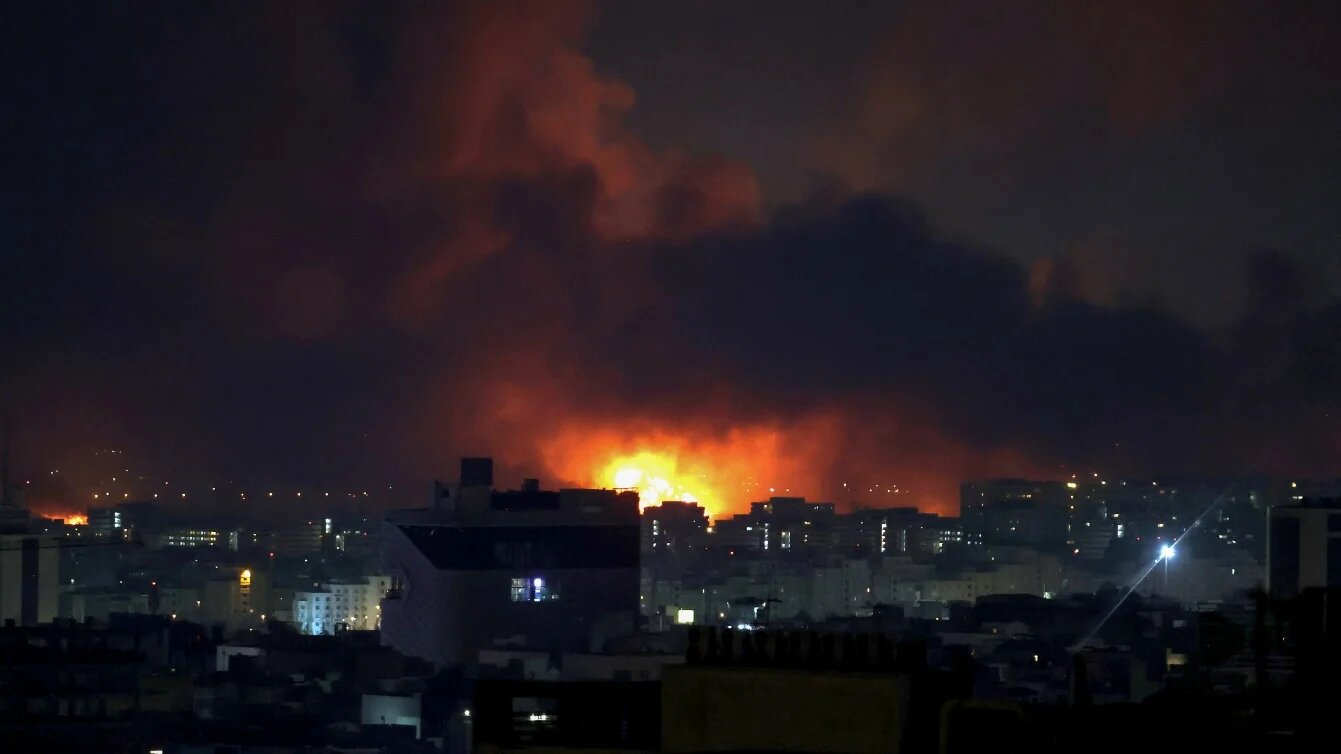
The urgency of the situation is underscored by recent military actions. Israeli jets have launched strikes in Lebanon’s Bekaa Valley, contributing to an estimated 500,000 displaced individuals in the region. Simultaneously, NATO has raised its ballistic missile defense posture in response to heightened tensions following missile threats directed towards Turkey.
Amid these escalating military confrontations, investigations indicate that a US strike may have targeted an Iranian school, compounding the humanitarian crisis and geopolitical fallout. With President Donald Trump demanding Iran’s “unconditional surrender,” the stakes are higher than ever.
As the world watches these developments unfold, the ramifications for the Middle East could reshape not only borders but also the very fabric of regional politics, making it a critical moment for international observers and local populations alike. What happens next remains uncertain, but the potential for a seismic shift in the Middle East landscape is now clearer than ever.