Bristol City Council has announced plans to establish 569 new school places for pupils with special educational needs and disabilities (SEND) by 2030. This initiative comes in response to a significant increase in the number of children requiring educational support, with the figures rising from 2,193 in 2018 to 5,795 this year. The council is legally mandated to ensure there are adequate specialist school places available, prompting these ambitious new developments.
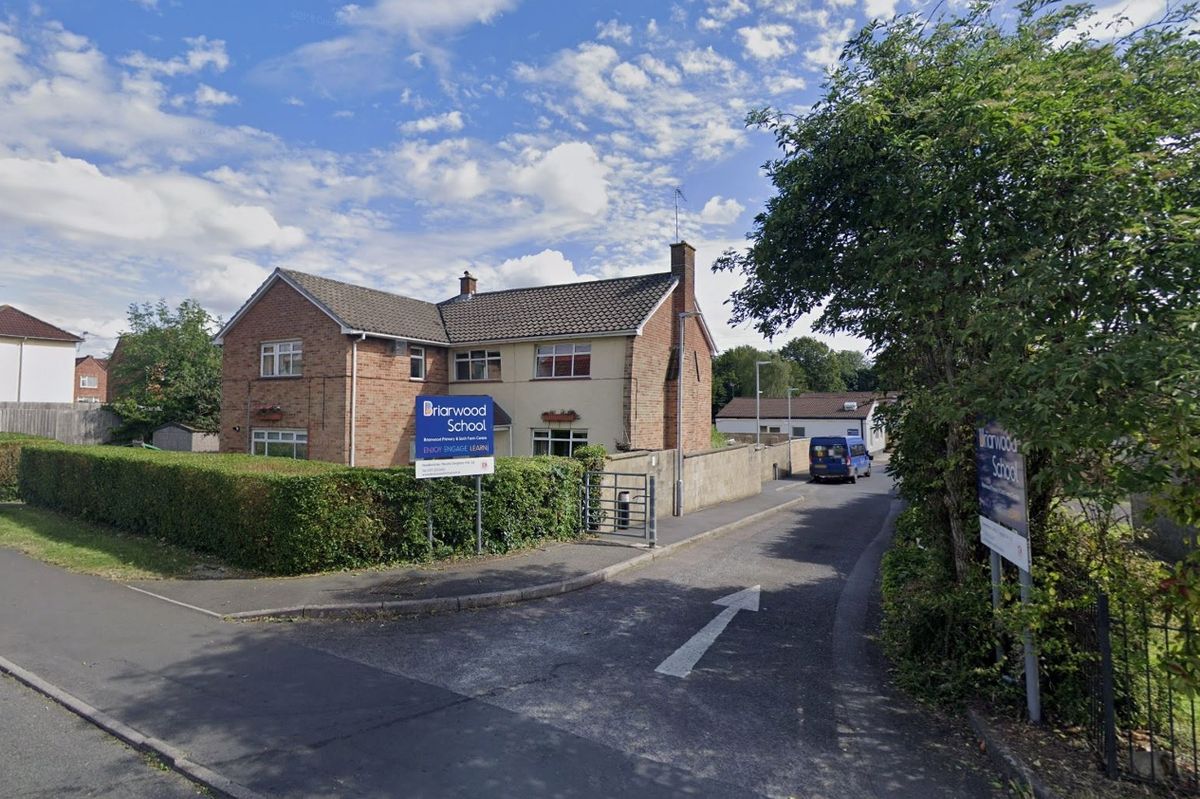
The council’s strategy includes creating new spots at six major educational projects scheduled to be completed between this summer and 2029. These projects, which involve Claremont School, Briarwood School, Elmfield Secondary School for Deaf Children, Henbury Court Academy, St Anne’s Infant School, and Trym Valley Academy, are expected to cost approximately £53 million, excluding the funding for the new Trym Valley special school, which will be supported by government funds.
As this plan unfolds, it has sparked considerable debate among Bristol residents and stakeholders regarding its feasibility and the necessary funding. Many have voiced concerns about the timelines and potential challenges tied to the broader reforms of the SEND assessment system.
Community Reactions and Concerns
Residents have shared a mix of optimism and skepticism regarding the council’s plans. Some readers have expressed their praise for the initiative, while others question whether the funding will be sufficient to support these changes. One commenter remarked, “Another 2030 plan set to happen after the planned 2029 general elections?” highlighting concerns about political timelines influencing educational reforms.
A significant aspect of the discussion relates to proposed changes in the SEND assessment framework. Under the Labour government’s White Paper, the current Education, Health and Care Plan (EHCP) system may be replaced with a four-tier assessment model, potentially reducing the number of children classified under EHCPs while providing alternative ‘individual support plans’ for lower tiers. A reader noted that this shift aims to integrate more SEND pupils into mainstream schools, which will require substantial investment in teacher training and resources.
Another critical point raised by the community is the anticipated financial implications of these reforms. The Office for Budget Responsibility (OBR) has estimated local authority deficits related to SEND provisions could reach £6 billion, although some believe this figure may be an underestimate. As the government prepares to assume responsibility for these deficits starting in the 2028-29 fiscal year, concerns linger about the source of this funding and its potential impact on other budgetary commitments.
Looking Ahead: Implementation and Funding Challenges
The conversation around these developments highlights broader issues within the education system, particularly regarding the support for SEND pupils in mainstream classrooms. Some educators have voiced concerns that integrating SEND students might distract from the learning of other pupils, raising questions about the overall educational environment.
As the council moves forward with its plans, the challenge remains not only in the execution of these projects but also in securing the necessary funding to ensure effective implementation. The potential bureaucratic complexities of adopting a new assessment structure could further complicate matters, as parents may face challenges in navigating the new system to advocate for their children.
As Bristol City Council prepares to present an update on these initiatives to the Children and Young People Policy Committee, stakeholders await clarity on how these changes will unfold and what measures will be taken to address the pressing needs of SEND students in the region. The outcome of this initiative could significantly impact countless families across Bristol, underscoring the importance of effective planning and resource allocation in the education sector.