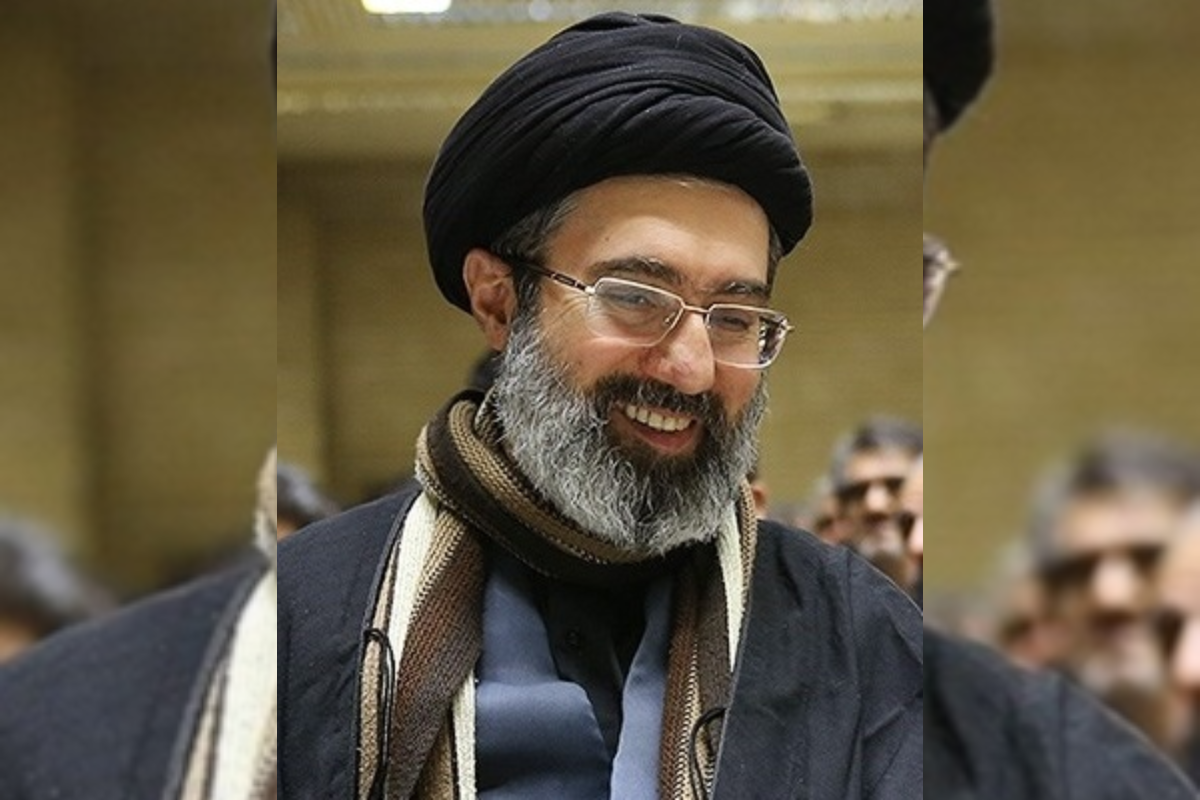
BREAKING NEWS: Iran has officially named Mojtaba Khamenei as the new supreme leader following the tragic death of his father, Ayatollah Ali Khamenei, during recent US-Israeli strikes on Tehran. The Assembly of Experts elected Mojtaba under intense pressure from the Revolutionary Guards, who demanded a new leader be appointed by March 1.
This swift transition marks a significant moment in Iranian history, as Mojtaba, long viewed as the likely successor, solidifies his leadership amid ongoing geopolitical tensions. His close ties to Iran’s powerful paramilitary forces played a crucial role in securing the necessary votes for his election.
In the wake of his father’s passing, Iran formed a transitional council led by President Masoud Pezeshkian to manage leadership duties until the new supreme leader was confirmed. This council is composed of key figures, including the head of Iran’s judiciary and a member of the Guardian Council, ensuring stability during this critical period.
The Assembly of Experts is tasked with selecting a supreme leader upon the death or resignation of the incumbent, comprised of 88 members elected every eight years. Each candidate must be vetted by the Guardian Council to ensure they meet the constitutional requirements of being a senior jurist with extensive knowledge of Shia Islam. Mojtaba’s religious qualifications were deemed sufficient, but it was his institutional connections to the IRGC that ultimately secured his election.
Luciana Zaccara, a professor at Qatar University, highlighted that Iran’s political structure had been preparing for this scenario, given Ayatollah Ali Khamenei’s age and the ongoing conflict with the US and Israel.
Tragically, Mojtaba’s wife, Zahra Haddad-Adel, and her father, conservative politician Gholam-Ali Haddad-Adel, were reportedly killed in the strikes that also claimed the life of the late supreme leader. This personal loss adds a profound emotional layer to Mojtaba’s ascension.
Mojtaba Khamenei, who has five siblings, is known to have a substantial financial empire. His personal assets are estimated at over $3 billion, including a significant property portfolio valued at approximately $138 million in the UK. The broader financial influence of the Khamenei family is estimated to be between $95 billion and $200 billion, indicating a vast network of wealth that underpins their political power.
As Iran adjusts to this new leadership, the international community watches closely for further developments. The implications of Mojtaba’s leadership will be felt both domestically and abroad, particularly as tensions with the US and Israel continue to escalate.
Stay tuned for more updates on this developing story as Iran navigates this significant change in leadership.