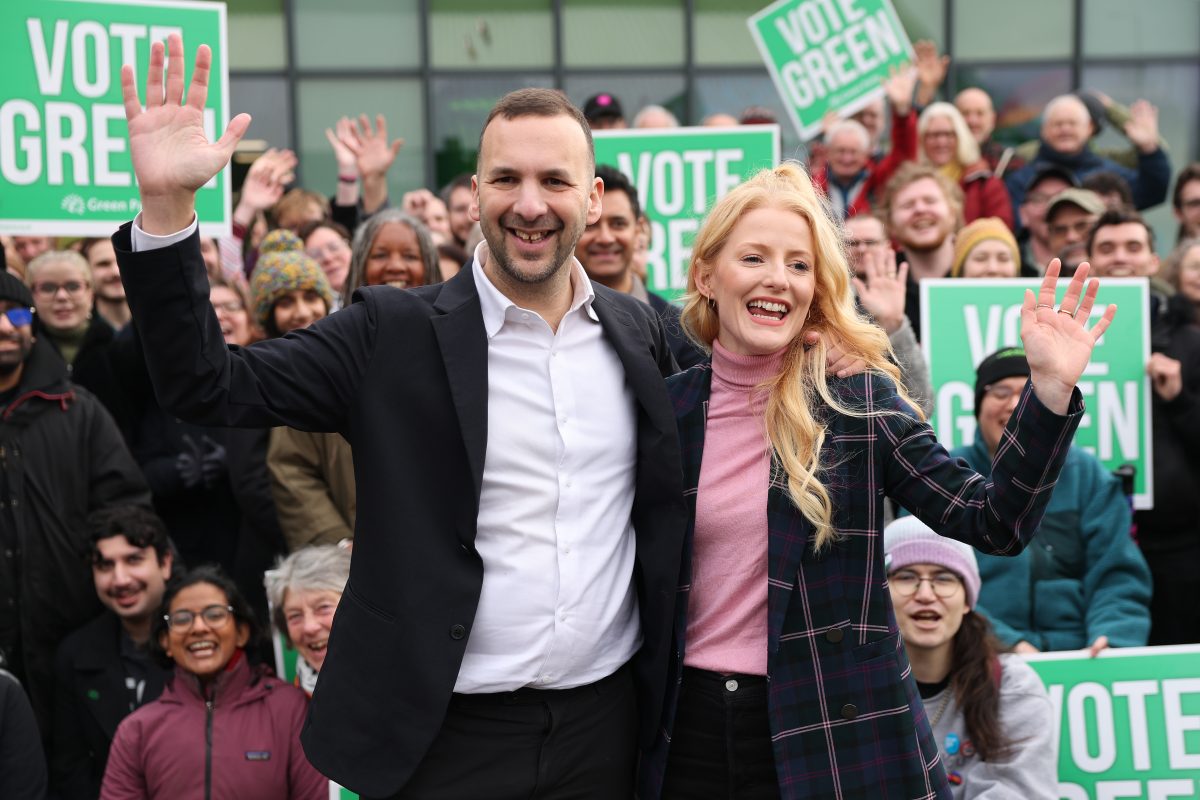
The recent by-election in Gorton and Denton has marked a significant shift in the political landscape of the United Kingdom. The Green Party achieved a decisive victory, securing 40.6 percent of the vote, while the Labour Party finished in third place with less than 10,000 votes. This outcome highlights a growing dissatisfaction among voters and indicates the emergence of messy, multi-party politics in the country.
In the context of what was once considered ordinary political dynamics, the results signal a dramatic departure from traditional expectations. The Labour Party, which previously garnered over 50 percent of the vote in Gorton and Denton during the last election, faced a particularly challenging environment. Factors contributing to this decline included the absence of a strong candidate and the overall unfavorable political climate for governing parties during by-elections.
The final tally reflects a broader trend observed over the past year, characterized by increasing voter fragmentation. Approximately half of current Labour voters are reportedly contemplating support for the Green Party, driven not by ideological alignment but by concerns over the effectiveness of their vote. The recent success of the Greens may shift this equation further, especially as they celebrate their first by-election victory.
Strategic Shifts and Voter Sentiment
The dynamics surrounding the 2029 general election are becoming increasingly complex. Keir Starmer, the leader of the Labour Party, has articulated a vision for the upcoming election as a direct contest between himself and Nigel Farage. This strategy, while ambitious, faces challenges, particularly in rallying progressive voters who may hesitate to support an unpopular government.
The Gorton and Denton results indicate a strong desire among many voters to seek alternatives to the Conservative Party. Despite Labour’s historical dominance in the region, the electorate’s sentiment is shifting. Both Green and Reform party supporters express disillusionment with the current political status quo, suggesting that calls to label the Greens as extreme are unlikely to resonate with voters who feel let down by traditional parties.
Additionally, the potential for tactical voting among Conservative supporters cannot be overlooked. In Gorton and Denton, Conservative voters who aimed to prevent a Labour or Green victory gravitated towards Reform, resulting in the Conservatives securing only 1.9 percent of the vote. This shift raises questions for the Reform Party, which will need to devise strategies to engage its base without alienating broader support.
Implications for Future Elections
While the outcome of the Gorton and Denton by-election may not be a cause for alarm at Reform HQ, it does pose significant strategic challenges. The seat ranked 413th on their target list, yet the party’s inability to secure a win despite outperforming their previous election results raises questions about their ability to consolidate support moving forward.
Voter sentiment across the spectrum indicates a collective frustration with the political establishment, highlighting the urgent need for parties to address the issues that matter most to constituents. The electoral landscape is not static; by-elections serve as both indicators and influencers of public opinion. A change in leadership or direction for the Labour Party, for instance, could alter the current dynamics.
Going forward, both Labour and Reform must navigate a rapidly changing political environment, where dissatisfaction is palpable, and the quest for a viable alternative is intensifying. The Gorton and Denton by-election serves as a clear reminder that voters are seeking solutions and accountability from their political leaders. The landscape is shifting, and only time will reveal how these trends will shape the future of UK politics.