Valve Corporation is preparing to launch its highly anticipated gaming device, the Steam Machine, but faces significant challenges due to a global shortage of RAM components. As the launch date approaches, concerns are mounting within the gaming community regarding how hardware constraints may affect both pricing and availability. Analysts suggest that the success of this launch could have broader implications for consumer confidence, impacting not only the Steam Machine but also similar hybrid gaming consoles designed to merge traditional gaming PCs with home entertainment systems.
Valve’s announcements last year highlighted the modularity of the Steam Machine’s hardware and its potential to compete with established gaming consoles. At that time, the supply of memory components appeared stable, leading to optimistic sales forecasts. However, recent updates acknowledge a shifting economic landscape, with production timelines needing adjustments to account for rising RAM costs. Surveys indicate that while initial enthusiasm for Valve’s open software approach and hardware flexibility was high, interest has waned amid growing uncertainty regarding component shortages.
Challenges from RAM Shortages
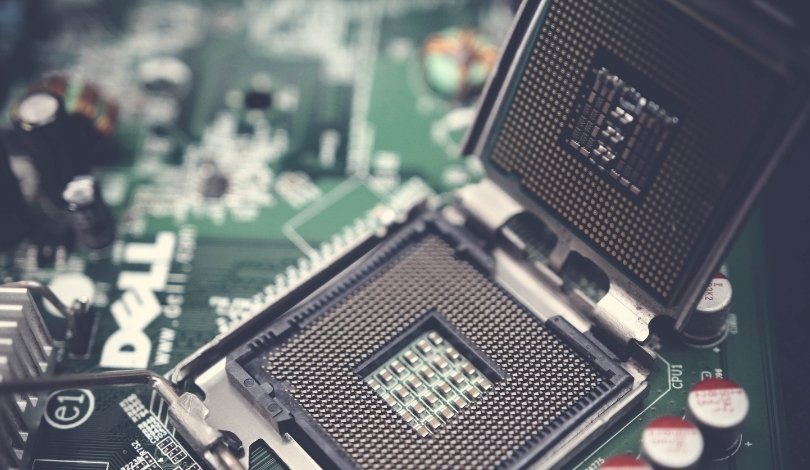
The ongoing shortage of RAM components has disrupted manufacturing across various consumer technology sectors, and the Steam Machine is not exempt from these challenges. Industry insiders report difficulties in securing sufficient memory modules at reasonable prices, complicating volume commitments and potentially limiting model options for consumers. Valve has addressed these issues, stating, “We are aware of the RAM supply constraints impacting multiple industries, and are actively working with our partners to manage these challenges.” By being transparent about these concerns, Valve aims to maintain trust with its consumers and retail partners.
Valve’s Strategic Response to Hardware Market Pressures
In light of these logistical hurdles, Valve has proposed a controversial strategy to keep the Steam Machine launch on track. The company will allow original equipment manufacturer (OEM) partners to substitute hardware components, enabling them to use alternative, potentially less expensive or more readily available parts during assembly. While this approach could result in variations across devices branded under the Steam Machine name, Valve assures customers that performance targets will remain consistent. “Our priority is to ensure a reliable gaming experience for all users, regardless of configuration,” the company explained.
This decision may introduce confusion among consumers, particularly those who prefer standardized specifications across different versions of the Steam Machine. Retailers and reviewers may find it challenging to evaluate and compare models, complicating the purchasing process for both enthusiasts and casual gamers. Valve emphasizes its commitment to customer support and community feedback as the situation evolves.
As the launch approaches, industry participants will closely monitor whether Valve’s approach stabilizes the Steam Machine’s release or risks damaging its reputation. For consumers, understanding the implications of hardware variability and its impact on compatibility will be crucial. The current RAM crisis underscores the volatility of hardware supply chains and the necessity for flexibility in the fast-evolving technology sector. Keeping abreast of vendor communications and independent product testing will empower buyers to make informed decisions as product lines continue to diversify.