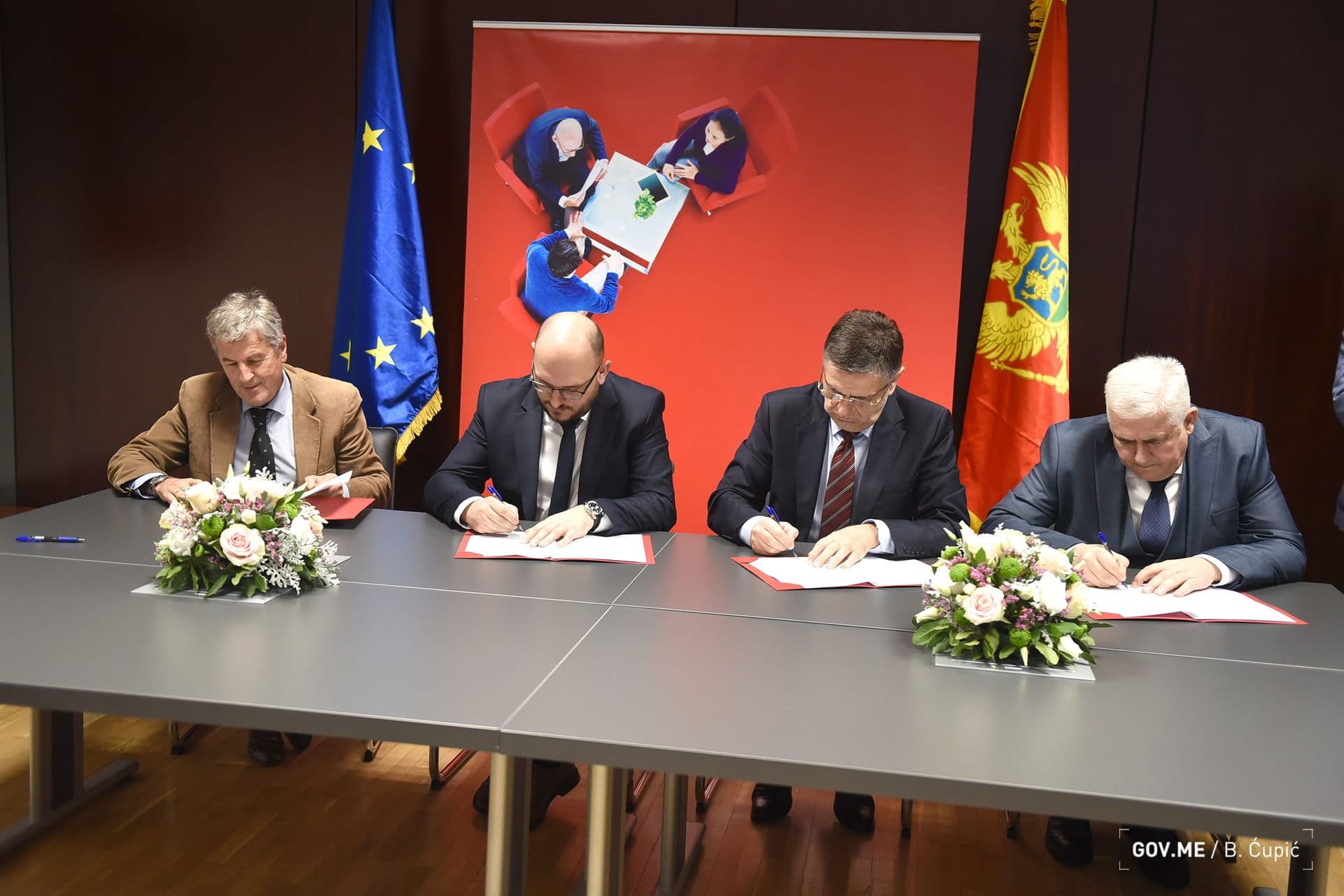
Negotiations concerning the new General Collective Agreement (GCA) in Montenegro will continue tomorrow, starting at 14:00. Duško Zarubica, the General Secretary of the Trade Union of Montenegro, stated that the discussions are crucial for improving the labor and legal status of employees in the country.
The outcome of these ongoing negotiations holds significant implications for the nation’s workforce and its economic landscape. The discussions revolve around a variety of topics, including the adjustment of the calculation coefficient from €90 to €100, which could lead to a salary increase for workers of approximately 10 percent.
Budget Implications of Salary Adjustments
A critical evaluation of how an increase in the calculation coefficient would impact the state budget is expected. Previous unofficial estimates suggested that the total salary increases could amount to between €70 million and €80 million annually. However, this figure remains tentative as the government would also benefit from increased tax revenues and contributions due to the higher salaries.
Currently, parts of the public sector and state-owned enterprises are already operating under collective agreements that set the calculation coefficient at €100 or higher. In addition to the union’s demands regarding the coefficient, a comprehensive package of requests from employers and the government is under consideration. This package includes proposals for different regulations concerning sick leave, reducing the employer’s sick leave cost from 60 to 30 days, and revising norms related to employee bonuses and Sunday work hours for retail.
The existing General Collective Agreement, which outlines essential workers’ rights—such as overtime pay, holiday pay, severance packages, annual leave, and paid absences—expired on December 30, 2022. The Assembly of Montenegro, via amendments to the Labor Law on December 31, extended the validity of the previous agreement until March 31, 2024. This extension was necessary to ensure that approximately 100,000 employees, whose basic labor rights are not protected by industry-specific collective agreements or individual contracts, would not lose their rights.
Historical Context and Future Considerations
The calculation coefficient has remained unchanged at €90 for the past 13 years. The General Collective Agreement stipulates that the coefficient should be reviewed annually, considering inflation, the movement of the minimum consumer basket, and overall economic conditions. Unfortunately, this review has not taken place as required since its last adjustment.
In a letter from social partners to the Ministry of Finance dated December 11, 2022, it was emphasized that an increase in the calculation coefficient is essential to preserve the positive effects of initiatives like “Europe Now 1” and “Europe Now 2.” These initiatives have faced challenges due to inflationary trends in recent periods. The World Bank has also urged the government to consider reducing public spending while maintaining salaries at 2025 levels by 2026. Nevertheless, it was suggested that the budget expenditures for employee salaries resulting from the increase in the calculation coefficient could be balanced through internal reserves to prevent a budgetary increase.
As negotiations resume, the focus will remain on securing a fair agreement that addresses the needs of both employees and employers while considering the economic realities facing Montenegro. The outcome of these discussions will have lasting implications for the labor market and economic stability in the region.