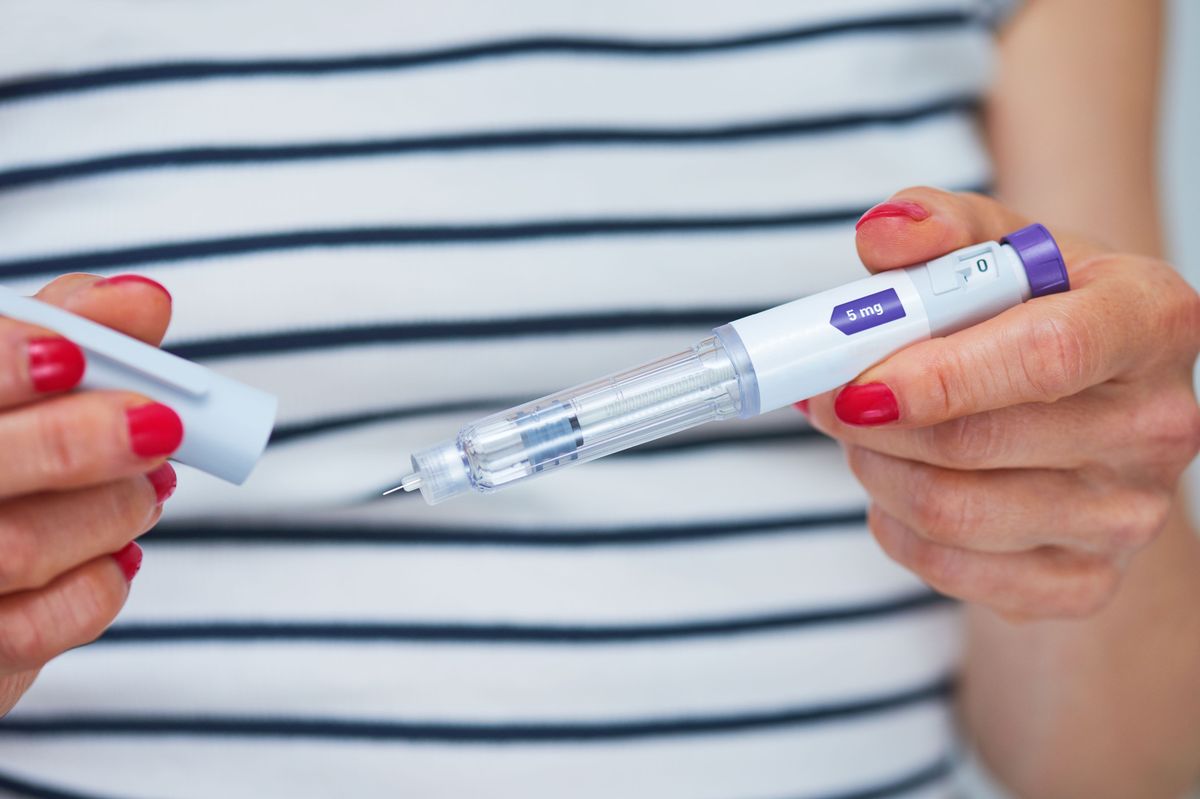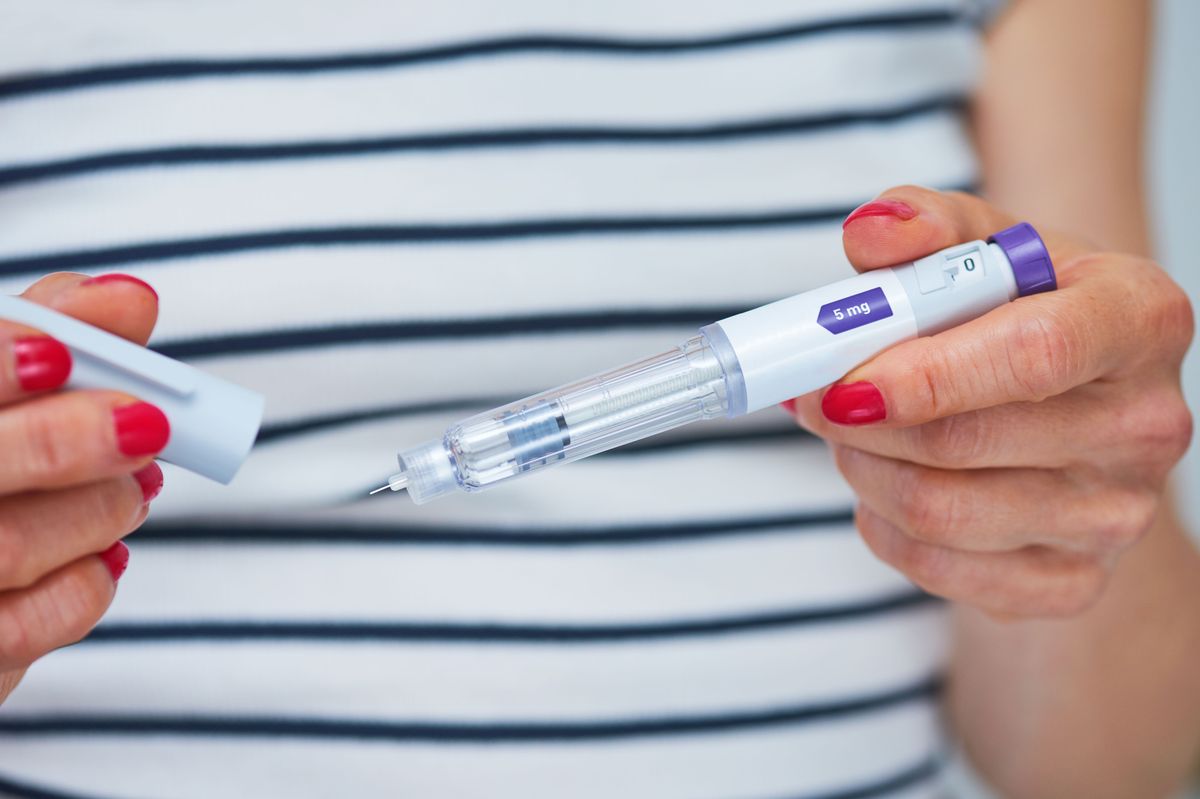
The National Health Service (NHS) is introducing financial incentives for general practitioners (GPs) to prescribe weight-loss medications, specifically Mounjaro and Wegovy. This initiative aims to enhance access to these treatments as part of a broader strategy to combat obesity in the UK.
Following the NHS’s mass rollout of weight-loss injections last summer, the Department of Health and Social Care revealed that many GPs have yet to prescribe these medications. In response, they are allocating £25 million to support practices that refer patients to weight management services. Health and Social Care Secretary Wes Streeting emphasized that access to these drugs should be determined by medical need rather than financial ability.
New Incentives Address Access Issues
Streeting pointed out the dangers posed by unregulated weight-loss products in the private market, stating that the new incentives are part of a comprehensive public health initiative to alleviate the £11 billion economic impact of obesity on the health service. “Weight-loss drugs can be a real game changer for those who need them,” he said, affirming the commitment to fairness in healthcare.
According to the Department of Health and Social Care, the initiative is integrated into a new GP contract designed to broaden access to weight-loss support for patients who meet eligibility criteria. Professor Victoria Tzortziou Brown, chair of the Royal College of GPs, noted that current prescriptions are focused on patients with the greatest clinical need. She emphasized that eligibility and resource allocation decisions are made nationally, not locally by individual practices.
“While long-overdue investment in general practice is welcome, GPs do not withhold treatment or prescribe based on financial incentives,” she stated. “Decisions are guided by clinical judgment and the safety of patients.” Brown also raised concerns that expanding the rollout of these medications could increase workloads for GPs, potentially leading to unmet patient expectations.
Pharmacy Involvement and Current Statistics
Critics, including Henry Gregg, chief executive of the National Pharmacy Association, argue that the rollout of weight-loss treatments has been slow, with limited patient access. Gregg suggested that the government should leverage the expertise of community pharmacies to help reach more patients, rather than relying solely on GPs.
Current estimates indicate that approximately 2.4 million individuals in the UK are using weight-loss medications, with the majority obtaining them privately. The phased NHS rollout of Mounjaro is expected to span up to 12 years, but initial data shows that even eligible patients are struggling to access the drug.
As of now, only around 220,000 patients have been prioritized for treatment within the first three years. The once-weekly injection is primarily available for those classified as severely obese and facing additional health complications. Previous assessments by NHS England indicated that if all eligible patients—estimated at over three million—sought treatment in the first year, it could dramatically affect primary care, consuming up to 18% of GP appointments.
Recent research has shown that women and individuals from middle-class backgrounds are predominant among those obtaining private prescriptions for weight-loss injections, highlighting disparities in access to these essential medications.
The NHS’s efforts to incentivize GPs to prescribe weight-loss drugs signify a critical step in addressing the obesity epidemic, aiming to ensure that treatment is accessible to those in need. The balance between managing healthcare resources and meeting patient expectations remains a significant challenge as this initiative unfolds.