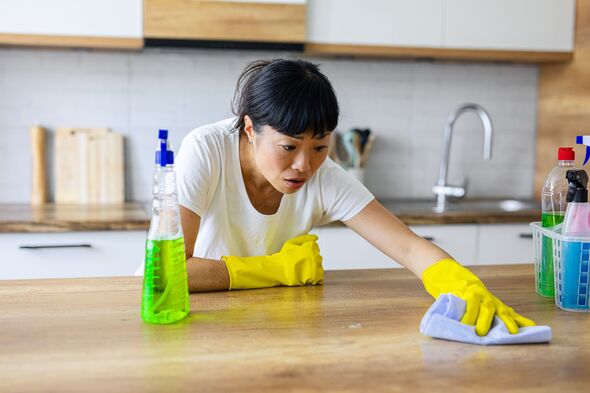
Social media platforms, especially TikTok, are filled with images and videos of immaculate homes. The rise of the “cleantok” hashtag has captivated millions, showcasing how to create the perfect tidy space. While these visuals can be inspiring, they may also mask deeper mental health issues.
According to Courtneyrose Chung, the clinical director at My Denver Therapy, the pursuit of a spotless home often reflects underlying emotional struggles. “People are no longer only cleaning for hygiene, but also to quiet a racing mind, to feel momentarily in control, or to avoid dealing with uncomfortable emotions,” she stated. This behavior can indicate high-functioning anxiety, where the individual feels overwhelmed yet maintains an appearance of control.
Recognizing the signs of anxiety-driven cleaning is crucial. One major indicator is the shift from wanting to clean to feeling compelled to do so. For instance, enjoying a tidy kitchen is normal, but if one cannot relax with crumbs on the counter, it might signal anxiety. Chung notes, “There’s a difference between enjoying a clean kitchen and physically being unable to sit down if there’s a single dish in the sink.”
Another sign is the intensity of emotional responses to perceived messes. For example, if a partner leaves a jacket on a chair or a child drops crumbs, feelings of rage may arise. “When someone ‘ruins’ your clean space, it can feel like a personal attack on your mental safety,” Chung explained. This emotional reaction indicates that the mess is destabilizing, triggering heightened anxiety.
Cleaning can also serve as a distraction from life’s responsibilities. “Cleaning offers instant, visible control and a dopamine hit from completion,” Chung said. Yet, this can lead to a cycle where individuals trade one form of stress for another. Once the counters are wiped and the floors vacuumed, a nagging feeling often remains, prompting further cleaning.
This phenomenon, termed mental contamination, reflects a sense of uncleanliness unrelated to the physical environment. Chung elaborated, “Even when a space is spotless, some people experience persistent unease. They re-clean surfaces, rearrange items, or feel compelled to maintain an unrealistic standard of perfection because the physical space is standing in for their emotional state.”
Individuals may find themselves cleaning areas repeatedly despite the absence of visible mess. This compulsive cleaning often signals that anxiety is driving the behavior. Additionally, neglecting personal needs in favor of cleaning tasks is another critical warning sign. Skipping meals to finish mopping or avoiding social engagements because of a dirty bathroom are red flags.
Chung emphasizes that at this stage, the reward shifts from enjoying a clean home to temporarily alleviating anxiety. “You’re cleaning to stop feeling bad,” she remarked. The desire for control over one’s environment can lead to a fragile coping mechanism, where disruptions to the clean space can trigger a significant emotional response.
For those experiencing high-functioning anxiety, the pursuit of a tidy home often serves as a coping strategy. Chung advises that real recovery involves learning to tolerate internal discomfort. “Therapy can help you develop healthier ways to manage anxiety that don’t require a spotless house to function,” she concluded.
Recognizing these patterns can pave the way for healthier coping mechanisms. Understanding that a clean home does not equate to emotional stability is vital for mental well-being. As the allure of the perfect home continues to thrive online, it is essential to look beyond the surface and address the underlying issues that drive this behavior.