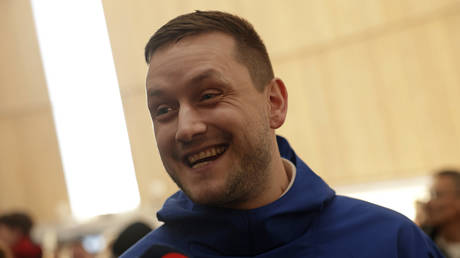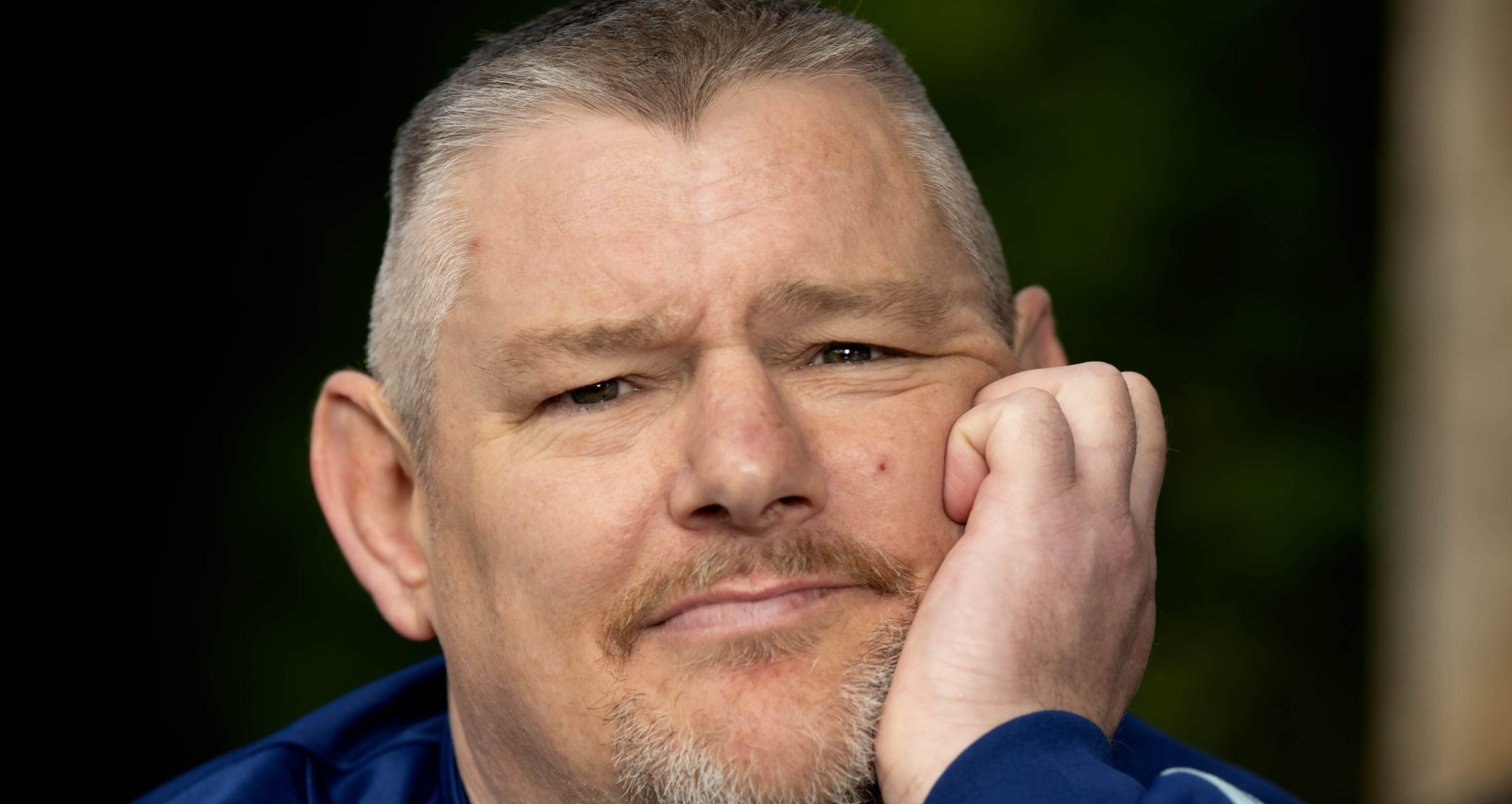
A dramatic moment at the 2026 BAFTA Film Awards in London thrust Scottish campaigner John Davidson into the international spotlight after he shouted a racial slur during a live presentation by actors Michael B. Jordan and Delroy Lindo. The incident occurred as the two presented the award for Best Visual Effects at the Royal Festival Hall on March 12, 2026. Davidson, who has Tourette’s syndrome, attended the ceremony as the subject of the nominated biographical film I Swear.
Audience members were taken aback when Davidson shouted the N-word while Jordan and Lindo were on stage. Clips of the incident circulated widely on social media, with audible gasps heard from attendees. Prior to the event, organizers had informed the audience about Davidson’s condition, which includes involuntary vocal tics. Despite this warning, the timing and nature of his outburst have ignited significant discussions globally.
The incident occurred early in the ceremony, and Davidson reportedly shouted not only the racial slur but also other phrases such as “shut the fu*k up” and “fu*k you” during various speeches. BAFTA host Alan Cumming addressed the audience, clarifying that Tourette’s syndrome can lead to involuntary vocalizations and expressed regret for any offense caused. Following the outburst, Davidson left the event voluntarily after approximately 25 minutes. Organizers confirmed that he was an invited guest and had not been asked to leave.
Both Jordan and Lindo carried on with their presentation without acknowledging the incident, demonstrating professionalism throughout the remainder of the ceremony.
John Davidson: Advocacy and Background
At 54 years old, Davidson is well-known for his advocacy work surrounding Tourette’s syndrome, a neurological disorder characterized by involuntary motor and vocal tics. In some cases, individuals with the condition experience coprolalia, which involves involuntary utterances of socially inappropriate words. Davidson, who was born in Galashiels in the Scottish Borders, began showing symptoms at around age 12 and received his diagnosis during his teenage years.
His struggles with the condition, including experiences of bullying, were documented in the 1989 BBC film John’s Not Mad, which helped introduce Tourette’s syndrome to many viewers in the UK. Over the years, Davidson has become a prominent advocate, conducting talks in schools, collaborating with police forces, and organizing support camps for young individuals with Tourette’s. In recognition of his contributions to raising awareness, he was appointed a Member of the Order of the British Empire (MBE) in 2019.
Davidson’s life story served as the backbone for the 2025 film I Swear, directed by Kirk Jones. Actor Robert Aramayo portrayed Davidson in the film, which examines both his teenage years and his advocacy efforts. The film garnered multiple BAFTA nominations in 2026, including for Outstanding British Film. During his acceptance speech for the EE Rising Star Award, Aramayo praised Davidson’s commitment to educating the public about Tourette’s syndrome.
Reactions and Broader Implications
Earlier in the evening, Davidson had expressed in interviews on the red carpet how high-pressure environments could exacerbate tic frequency. He noted that large crowds and heightened emotions often trigger more severe vocalizations. The reaction to the incident at the BAFTAs has been mixed across social media platforms. While some users expressed shock at the language used, particularly given its racial implications, others defended Davidson, emphasizing that Tourette’s-related vocal tics are involuntary and can become more pronounced under stress.
Actor Jamie Foxx commented on the situation, suggesting in an Instagram post that Davidson’s utterance was intentional, saying, “naah, he meant that sh*t.” However, experts on Tourette’s syndrome clarify that while coprolalia affects a minority of individuals with the condition, such utterances are not indicative of personal beliefs or intentions. Additionally, there is no evidence suggesting that Davidson intended any racial malice with his outburst.
Davidson’s voluntary departure from the ceremony may indicate an awareness of the incident and a desire to avoid further confusion. Following the event, the outburst has become one of the most widely discussed moments from the BAFTAs, with ongoing reactions and opinions emerging in the days that followed. The incident highlights the complexities surrounding Tourette’s syndrome and raises important conversations about public perception and understanding of the condition in high-stress environments.