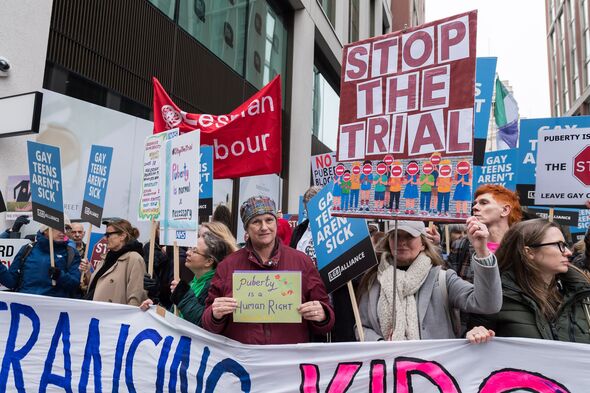
The UK government has put a halt to a controversial clinical trial examining the use of puberty blockers in transgender children aged 10 to 15. Health Secretary Wes Streeting announced this decision, impacting a study involving 226 participants aimed at evaluating the safety and efficacy of these treatments.
The trial, known as the PATHWAYS clinical trial, was initiated by King’s College London following recommendations from the Cass Review, which assessed children’s gender care. The Medicines and Healthcare products Regulatory Agency (MHRA) stated that the pause is part of their standard protocol to continuously review clinical trials and engage in scientific dialogue with trial sponsors. They emphasized that the safety and well-being of potential participants are their top priority, especially given the young age of those involved.
This trial has faced significant public scrutiny, with notable figures such as author JK Rowling criticizing it as an “unethical experiment” on children incapable of providing meaningful consent. Additionally, the Commission on Human Medicines has raised concerns about potential safety risks associated with puberty blockers, prompting the indefinite suspension of the trial by Streeting.
King’s College London responded to the announcement, asserting that the health and well-being of young individuals with gender incongruence and their families remain paramount. A spokesperson for the institution stated, “We will continue to work with the MHRA to support their further review of the trial, which has been designed by world-leading academics with scientific rigour at its core.”
The MHRA has committed to applying the highest standards of scrutiny and taking a cautious approach, relying on the best available scientific evidence to ensure participant safety in trials.
Maya Forstater, chief executive of the sex-based rights charity Sex Matters, expressed relief at the MHRA’s decision to pause the trial. She described it as a poorly designed experiment that could have jeopardized vulnerable children. Forstater emphasized, “Until now, there has been a complete failure of leadership and accountability concerning the process whereby this ill-conceived experiment was given the go-ahead.” She hopes that the MHRA’s intervention will lead to the eventual cancellation of the trial and a shift in focus towards studying outcomes for the approximately 2,000 young people who have already received puberty blockers.
As the situation develops, the implications of this halt may extend beyond the trial itself, potentially influencing future policies and research surrounding transgender healthcare for minors. The ongoing discussions and evaluations will likely shape the landscape of clinical practices in this sensitive area.