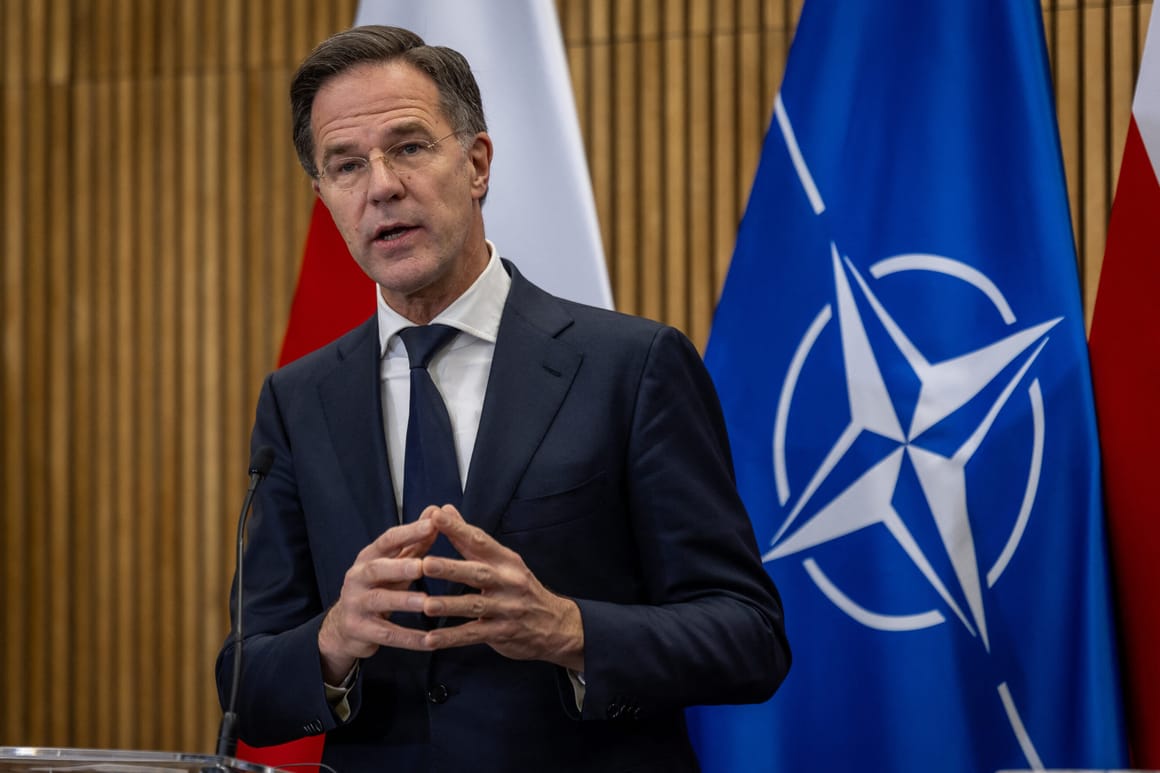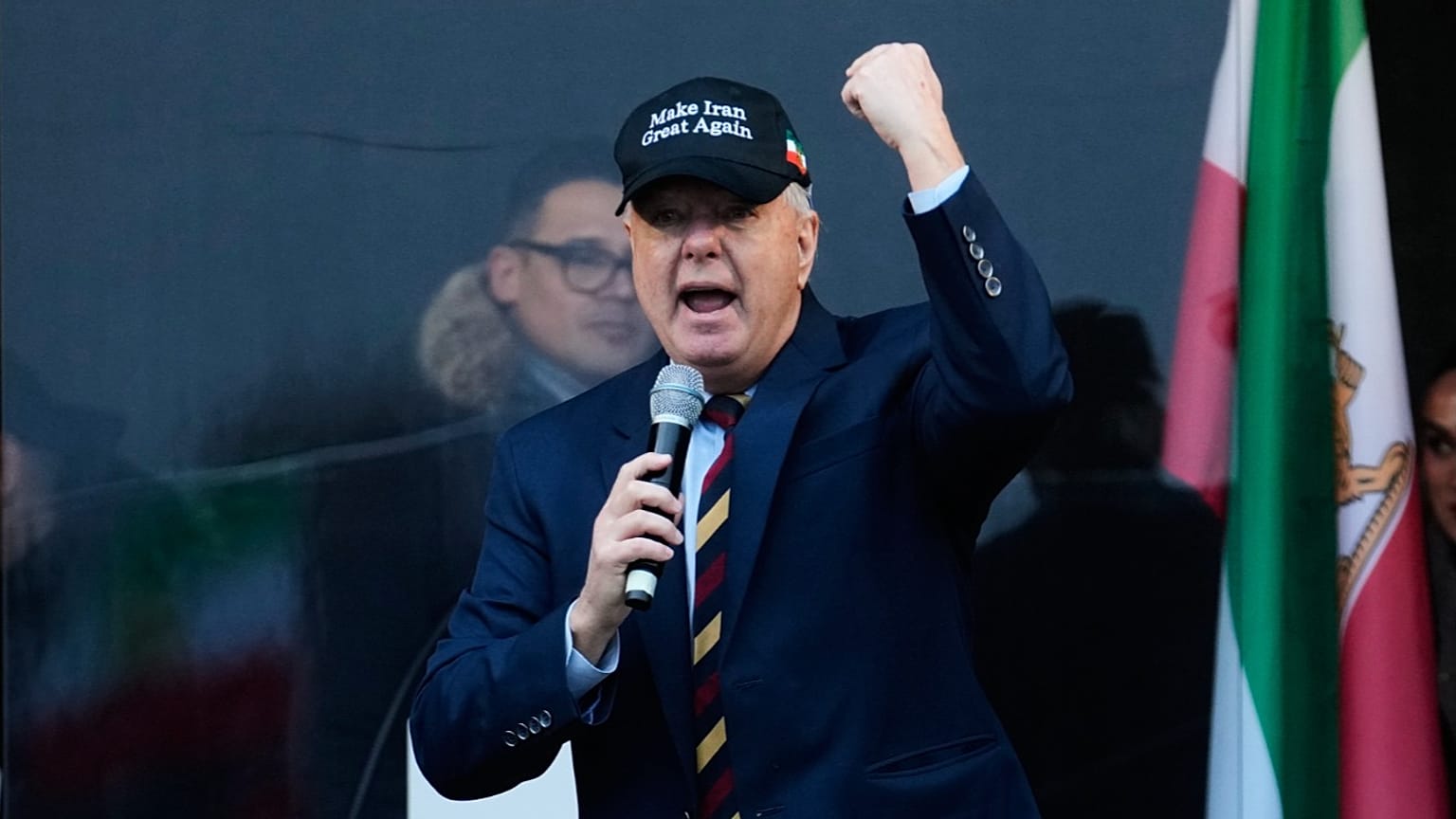
Tensions in the Gulf region have prompted US Senator Lindsey Graham to urge both Saudi Arabia and the United Arab Emirates (UAE) to mend their recent disputes. This call for unity comes amid growing pressure from Iran and highlights the critical need for collaboration among US allies in the Middle East. Graham delivered his message during the Munich Security Conference on March 15, 2024, emphasizing that divisions among Gulf partners may inadvertently bolster Iran’s influence in the region.
During his address, Graham stated, “Don’t let this moment pass. Be smart, but don’t be locked down with fear. Knock it off. You’re emboldening Iran by having this conflict.” His remarks reflect Washington’s concerns that ongoing rifts among Gulf powers could weaken US efforts to maintain a united front against Tehran’s ambitions.
Regional Disputes and Strategic Implications
While both Saudi Arabia and the UAE share a common stance on Iran, their approaches to other regional conflicts, particularly in Yemen and Sudan, have revealed underlying tensions. The public feud has largely centered on their competing influences in Sudan and the Horn of Africa. Despite pursuing similar objectives in Yemen and the Horn of Africa, the two nations have supported different local factions, complicating their coordination.
Graham’s warning underscores the urgent need for solidarity at a time when US military presence in the Gulf has increased. Reports indicate that the US has deployed additional forces, including a second aircraft carrier and tens of thousands of troops. This escalation aims to prepare for potential extended operations against Iran should negotiations regarding its nuclear program fail.
Tehran has indicated a willingness to engage in discussions if all sanctions are addressed. Despite its warnings that any conflict would have severe consequences for the entire region, both Saudi Arabia and the UAE remain aligned with the US strategy. Nonetheless, even minor disagreements can carry significant repercussions, particularly given Iran’s active role across the region.
The Path Forward for Gulf Cooperation
Graham’s message serves as a reminder that while Riyadh and Abu Dhabi may pursue independent objectives, maintaining unity on the Iranian front is crucial for both US strategy and regional stability. As tensions continue to mount, the need for a cohesive approach among Gulf allies has never been more pressing.
The delicate balance of alliances in the Gulf remains a focal point for US foreign policy, as Washington seeks to navigate the complexities of regional rivalries and ensure that its partners stand firm against external pressures. The outcomes of these discussions could have lasting implications for the geopolitical landscape of the Middle East.