URGENT UPDATE: New data from Montenegro’s statistical office reveals a significant surge in livestock numbers as of December 1, 2025. The total count of cattle and sheep has increased compared to the previous year, marking an important shift in the agricultural landscape of the nation.
According to preliminary reports from Monstat, the overall number of cattle has reached 68,481, representing a growth of 1.5 percent from last year. Notably, the population of milking cows has risen even further, with a reported increase of 2.1 percent. This surge is crucial for local dairy production, which plays a vital role in Montenegro’s economy.
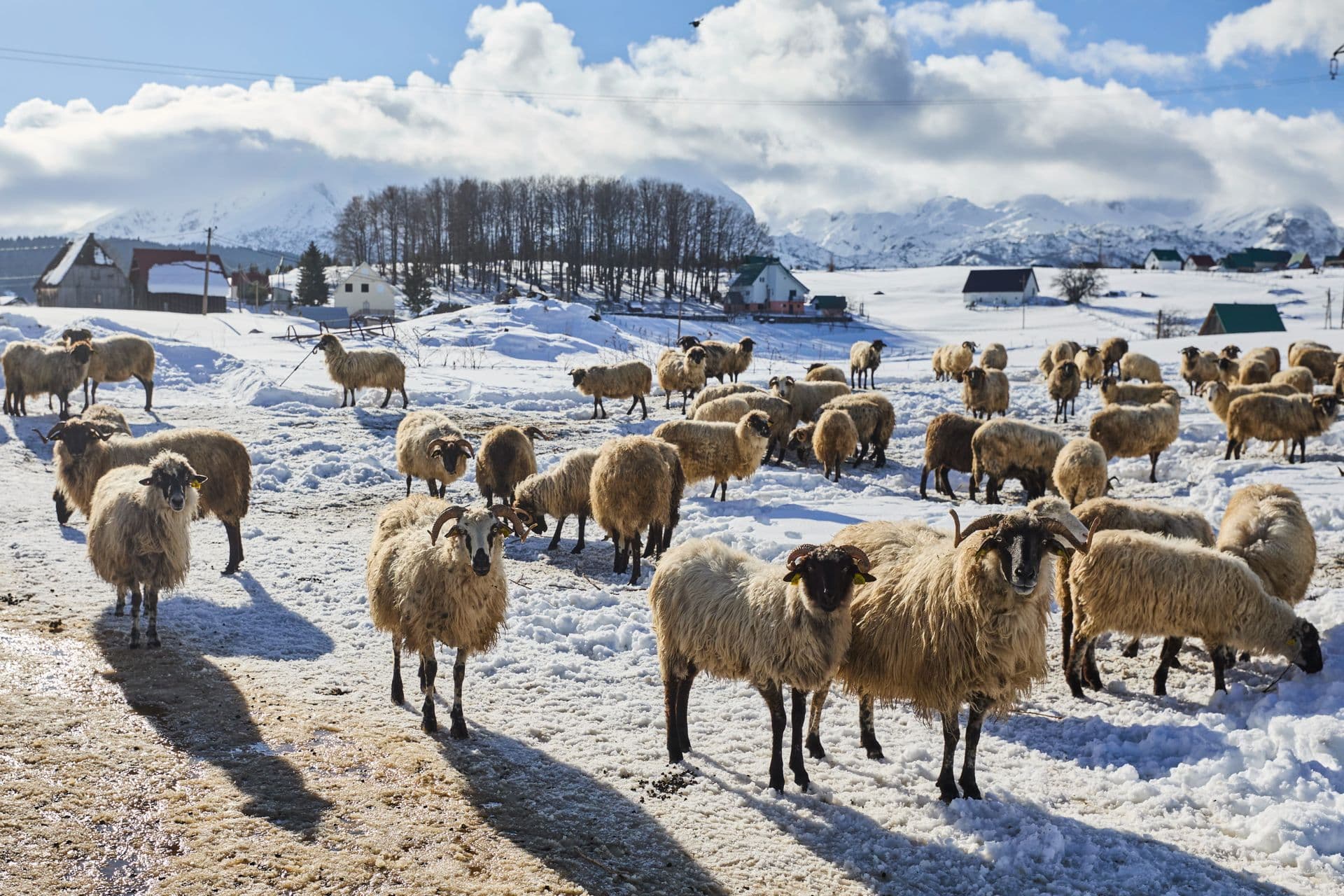
In sheep farming, there has been an impressive rise of 8.2 percent in the total number of sheep compared to 2024. Meanwhile, the total number of pigs has skyrocketed by 13.4 percent, now totaling 33,179 animals.
The poultry sector also saw remarkable growth, with the overall number of chickens increasing by 14.2 percent. The most significant contributor to this increase is the population of laying hens, which now stands at 1.03 million, reflecting a 1.3 percent rise from the previous year.
In terms of milk production, Montenegro produced an impressive 163.6 million liters of milk in 2025, predominantly from cows, which constitute 93.6 percent of the total. The average yield per cow is reported at 3.524 liters. Additionally, the production of wool reached 226 tons, while egg production totaled a staggering 234.03 millionNovember 24 to December 20, 2025, targeting family farms and business entities involved in animal husbandry. The data collection was carried out via interviews and direct input methods on electronic devices.
This data not only highlights the robust state of Montenegro’s livestock sector but also signals potential growth opportunities for farmers and businesses alike. As the country continues to prioritize agriculture, these developments could have lasting impacts on both local economies and food production capabilities.
As authorities work to further analyze these findings, experts and stakeholders in the agricultural community are encouraged to stay informed on subsequent reports and policy changes that could arise from this data.
Stay tuned for more updates on the evolving agricultural landscape in Montenegro.