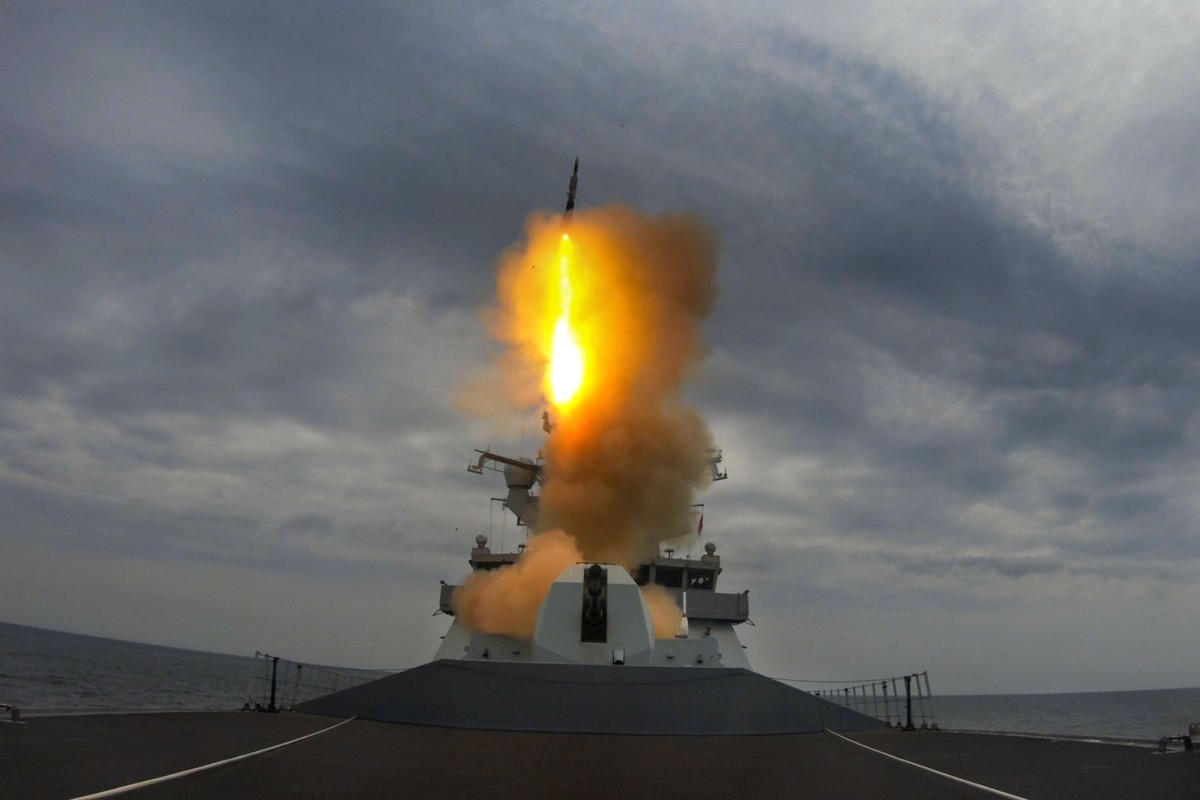
The Royal Navy is advancing its use of artificial intelligence to enhance decision-making speed and targeting effectiveness, according to a response from the UK Ministry of Defence. Defence Minister Luke Pollard detailed these initiatives in a written parliamentary answer published on February 9, 2024, highlighting a strategic shift toward integrating AI within military operations.
Pollard explained that the Royal Navy’s efforts are part of the broader development of the Maritime Fighting Web. This initiative aims to create a more cohesive connection among sensors, commanders, and operational forces across the fleet and the wider defence network. These changes reflect a significant evolution in how the Royal Navy approaches its operational capabilities.
In his statement, Pollard emphasized that several initiatives are underway to leverage AI and thereby improve the decision-action cycle. “These include establishing a Royal Navy Targeting organisation to represent the maritime component of the Integrated Force,” he said. This move suggests a transition toward more formalized targeting structures as the military increasingly prioritizes multi-domain operations.
To bolster these efforts, the Royal Navy is conducting exercises and training in collaboration with NATO Allies, Partners, and other military services. This collaborative approach is designed to enhance interoperability and ensure that the Royal Navy remains agile in a rapidly evolving combat landscape. Pollard noted the involvement of the Defence Artificial Intelligence Cell, which is focused on integrating emerging technologies into military protocols.
The urgency of these initiatives is underscored by the ongoing conflict in Ukraine. The rapid integration of drones, electronic warfare, and real-time targeting intelligence has become essential for battlefield effectiveness. Pollard stated, “These efforts incorporate lessons from the ongoing conflict in Ukraine and address current operational risks facing the Royal Navy.”
As the Royal Navy continues to adapt to modern warfare challenges, the emphasis on AI-driven decision-making and targeting capabilities is likely to play a pivotal role in shaping its future operations. The establishment of dedicated organizations and the integration of advanced technologies signal a commitment to maintaining operational superiority on the maritime front.
Overall, these developments reflect a proactive approach by the Royal Navy to harness the potential of artificial intelligence while responding to contemporary military challenges.