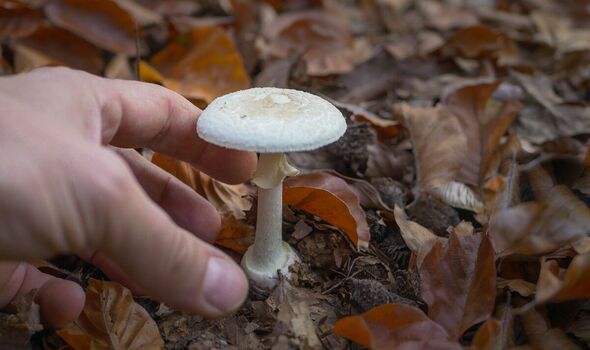
A toxic mushroom commonly mistaken for edible varieties has resulted in the deaths of four individuals and left at least 36 others poisoned in California. The death cap mushroom (Amanita phalloides), known for its lethal toxins, has caused serious health complications due to its association with severe liver damage. This type of mushroom is responsible for approximately 90% of mushroom-related poisonings globally.
The alarming incidents began around November 18, 2023, when the California Department of Public Health reported a sudden increase in cases. Typically, the state sees only two to five cases of death cap poisoning annually. This year’s spike has raised concerns among health experts, including Dr. Craig Smollin, the medical director for the San Francisco Division of the California Poison Control System. He stated, “The main thing this year is just the magnitude, the number of people ingesting this mushroom, having almost 40 is very unusual.”
Victims of this outbreak have ranged in age from 19 months to 67 years, with many experiencing acute liver injury and requiring intensive medical care. Tragically, three individuals have been reported as needing liver transplants. The symptoms of poisoning can manifest rapidly, with individuals experiencing nausea, vomiting, and abdominal pain within 24 hours of consumption.
One victim, Laura Marcelino, recounted her family’s experience with the mushroom. Living in the Northern California town of Salinas, Marcelino and her husband gathered what they believed were safe mushrooms similar to those they foraged in their native Oaxaca, Mexico. After consuming them, her husband felt dizzy and fatigued, while Marcelino felt fine initially. However, both fell ill the next day, leading to a hospital stay for Marcelino and ultimately a liver transplant for her husband.
The toxicity of the death cap mushroom is particularly insidious, as even a small amount can be fatal, regardless of whether it is cooked or dried. This has prompted health officials to issue warnings in multiple languages, as many of those affected include Spanish, Mixteco, and Mandarin Chinese speakers. According to the health department, over 60% of the poisoned individuals spoke Spanish as their primary language.
Public health officials have emphasized the importance of education regarding the dangers of wild mushroom foraging. The death cap mushroom often grows in mixed deciduous woods, particularly under oak and beech trees, and its appearance can resemble that of several edible species. The Woodland Trust notes that the death cap has been recognized for its deadly properties since ancient times, with historical accounts linking it to notable poisonings.
As the fruiting season for mushrooms typically spans from July to November, awareness of the risks associated with wild foraging is essential. The California Department of Public Health continues to monitor the situation closely, urging anyone who suspects they have ingested a toxic mushroom to seek medical attention immediately.
In light of this tragic outbreak, health authorities are working to ensure that communities are informed about the dangers of the death cap mushroom, aiming to prevent further incidents and protect public health.