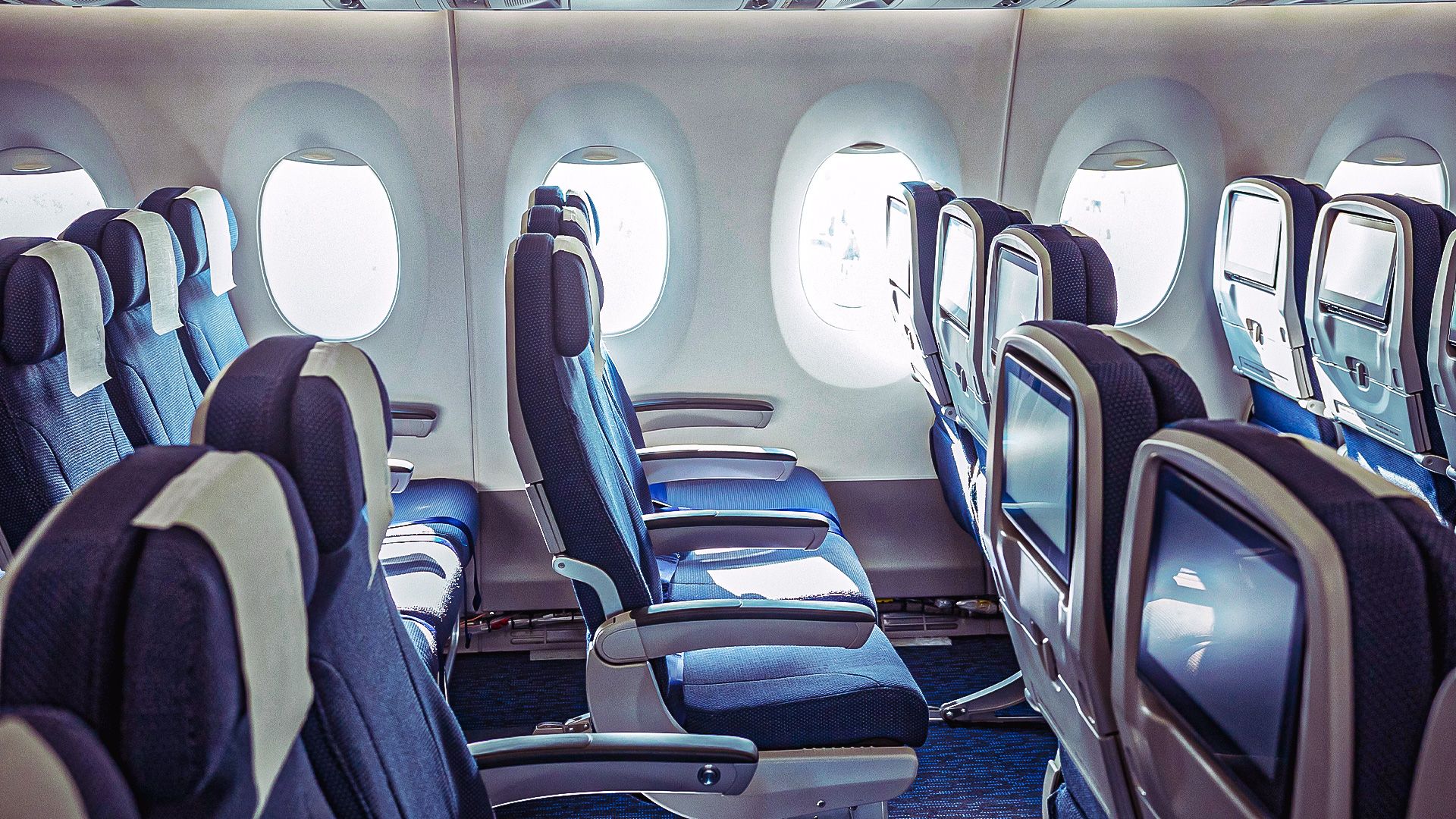
URGENT UPDATE: Airlines are set to redefine passenger comfort in economy class with significant changes in seat widths starting in 2026. This development comes as airlines worldwide are announcing their configurations, directly impacting travelers’ experiences on long-haul flights.
Most mainline economy class seats typically measure between 17 inches to 18 inches (43-45 cm). However, some airlines are pushing the boundaries, with select carriers offering seats up to 19 inches (48.26 cm). The shift in seat dimensions is crucial for travelers seeking more comfort and space during their journeys, particularly on long-haul flights.
Japan Airlines is leading the way, boasting some of the widest economy class seats available. The airline configures its Boeing 777-300ERs in a 3-3-3 format instead of the more common 3-4-3, providing an impressive 18.5 inches of width in their JAL SKY SUITE 777 and 17.7 inches in the Boeing 767. In a recent statement, Japan Airlines highlighted, “Approx. 47 cm in JAL SKY SUITE 777,” emphasizing their commitment to passenger comfort.
Korean Air also stands out by opting for a nine-abreast configuration in their Boeing 777-300ERs, reversing plans to shift to a tighter ten-abreast layout after public backlash. Meanwhile, the airline’s A380 models feature 18.1 inches of seat width, showcasing a focus on passenger experience.
Asian airlines dominate the wide seat market, with Singapore Airlines renowned for its spacious economy class seats, ranging from 18.5 inches to 19 inches (47–48 cm). Cathay Pacific follows suit, offering similar dimensions on their aircraft. This trend highlights a growing emphasis on passenger comfort among international carriers.
The Airbus A380, known for its expansive cabin, is a top choice for travelers seeking wider seats. Singapore Airlines’ A380 economy seats offer 18.5 inches of width, coupled with ergonomic designs that enhance back support and footrest adjustability.
In the U.S., JetBlue is making waves with its Airbus A220-300, providing some of the widest seats at 19 inches in select configurations. This places JetBlue at the forefront of passenger comfort among U.S. carriers. Delta Air Lines also contributes with 18.6 inches of seat width in their A220 aircraft, showing a competitive edge in the evolving airline landscape.
However, not all U.S. airlines are keeping pace. Southwest Airlines, traditionally known for its low-cost model, offers a seat width of 17.8 inches on its Boeing 737 MAX 8 aircraft. This is achieved by utilizing slimmer armrests and optimized seat designs, allowing for more comfortable travel despite operating within older aircraft dimensions.
As airlines adapt their seating arrangements, the pressure is mounting on U.S. carriers to enhance their offerings. Starting in January 2026, Southwest will enforce a policy requiring passengers who encroach on neighboring seats to purchase additional space, marking a significant change in their longstanding approach to accommodating larger travelers.
Travelers should keep a close eye on these developments as they prepare for future flights. Wider seats mean more comfort, especially for those embarking on long journeys. The evolving landscape of airline seating is expected to reshape the travel experience, with key players like Japan Airlines, Korean Air, and JetBlue leading the charge.
As these changes unfold, passengers are encouraged to stay informed about their options and to consider which airlines prioritize their comfort in the skies. The impact of these developments will be felt by millions of travelers, transforming the way they experience air travel in the coming years.